Roadkill
A Great Army of slain animals rises to deliver vengeance on highways.
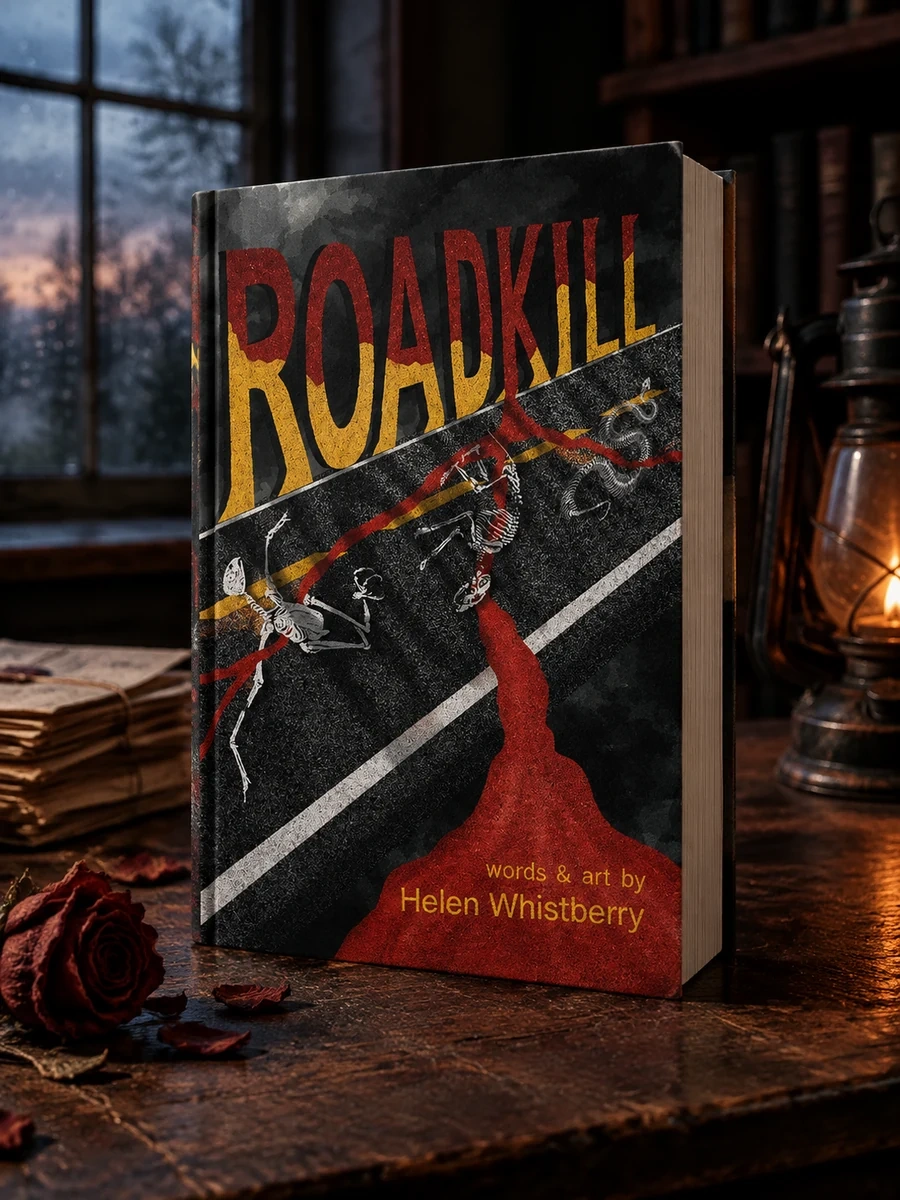
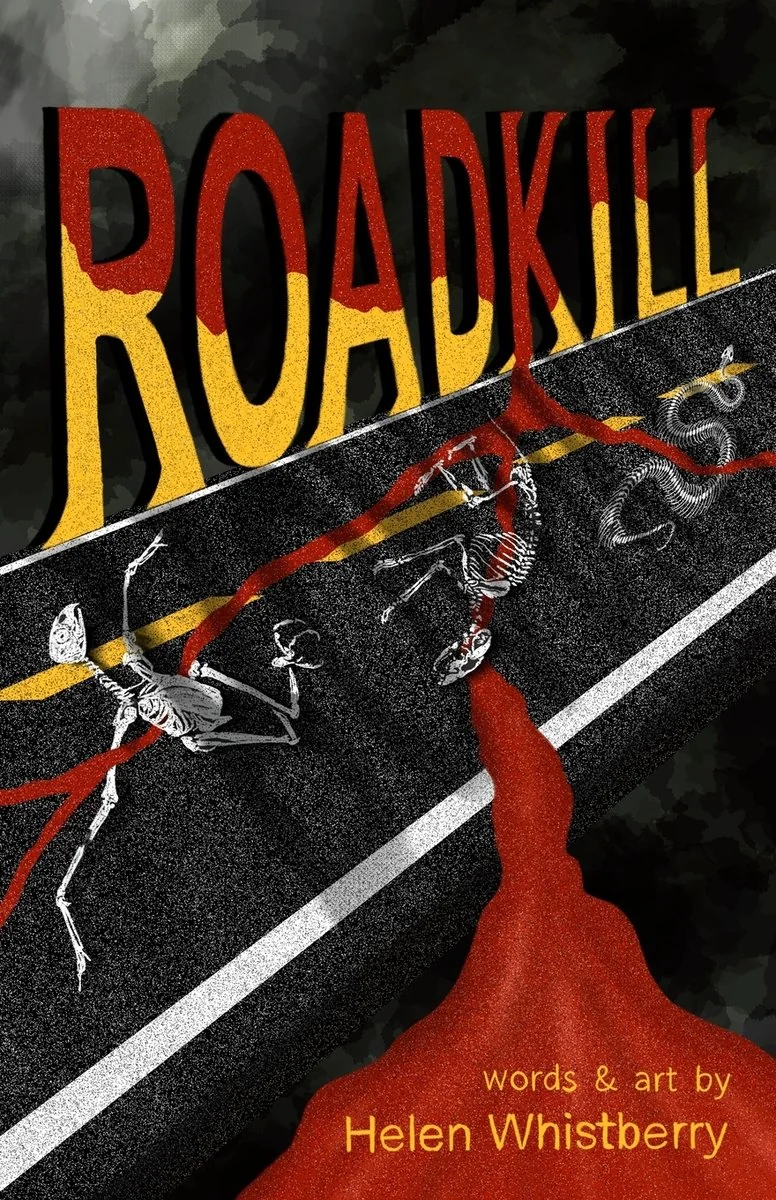
This volume explores the consequences of mass animal death on global roadways. Whistberry constructs a scenario where the dead do not remain quiet. A Great Army emerges from their not-so-final resting places during a specific night. The narrative alternates between the perspective of these risen beings and two humans who become their targets. Twenty-five original illustrations accompany the text, reinforcing the eerie atmosphere. The story operates within the eco-horror genre, using supernatural elements to highlight environmental themes. It offers a unique structural approach by balancing the voices of the avengers with those of the prey.
Roadkill sits within contemporary eco-horror fiction, published in late 2025. It addresses modern anxieties about wildlife mortality on highways. The work reflects current cultural concerns regarding human impact on natural ecosystems and the resulting ecological debt.


📝 Description: Roadkill
💎 Our verdict on Roadkill
📖 Why choose it
Why this book is worth reading
Readers who appreciate visceral ecological anxiety and unique narrative structures will find this book highly rewarding. It appeals to those interested in the intersection of horror and environmental critique, offering a fresh perspective on vengeance through the eyes of the oppressed. The dual-perspective format provides a compelling tension between avenger and prey, avoiding sensationalism for a steady, creeping dread. Fans of dark fantasy and true crime may also enjoy the grounded, albeit supernatural, exploration of highway fatalities. The inclusion of original illustrations enhances the eerie atmosphere, making it a distinct entry for those seeking horror that highlights immediate, tangible consequences rather than abstract historical fears.
⭐ Reader reviews
Reader rating
Helen Whistberry’s Roadkill delivers a potent eco-horror experience by giving voice to the silenced victims of global roadways. The alternating perspectives between the risen animals and their human targets create a compelling dynamic of justice and fear. The twenty-five original illustrations reinforce the text’s eerie tone without overshadowing the narrative. Whistberry avoids complex historical detours, focusing instead on immediate, visceral retribution. This approach suits readers who enjoy creature features and ecological themes over traditional ghost stories or romance. The work stands out for its specific subject matter and controlled visual tone, offering a distinct modern horror experience that critiques human behavior through supernatural means.