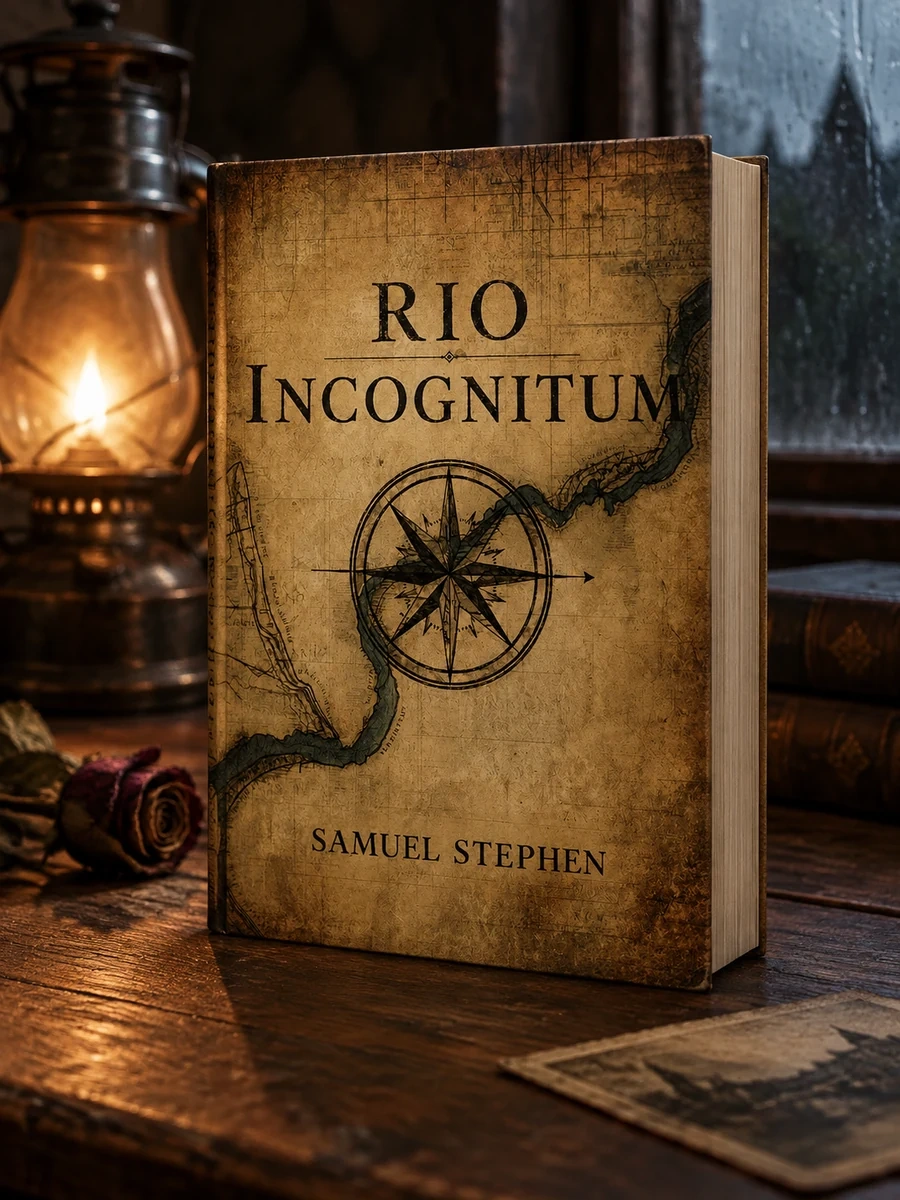
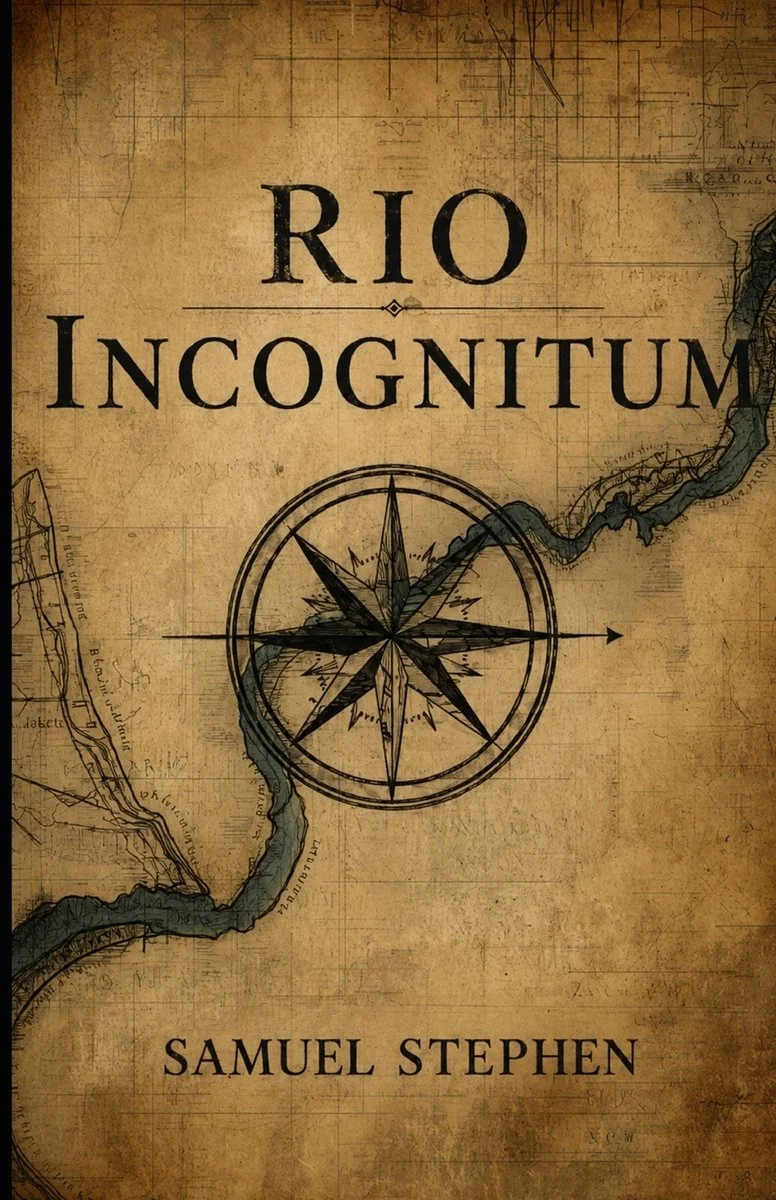
Rio Incognitum
A colonial expedition where bureaucratic duty outlasts reality itself.
Stephen constructs a narrative around the surviving records of Orellana's journey. The focus remains on the four men who keep their systems intact while the river refuses to match their maps. Their persistence in filing, writing, and diagnosing creates a unique form of terror. The horror stems from the refusal to stop functioning when the world has ended. This approach highlights the fragility of human order against the unknown.
The story is set in 1541 during Captain Francisco de Orellana's expedition down an unmapped river. It engages with the tradition of colonial exploration narratives, specifically examining the role of chroniclers and friars in documenting new territories. The text reflects on the historical moment when European systems encountered the unknown.


📝 Description: Rio Incognitum
💎 Our verdict on Rio Incognitum
📖 Why choose it
Why this book is worth reading
Readers who appreciate slow-burn psychological horror and historical fiction with a supernatural twist will find this compelling. The book offers a unique exploration of bureaucratic dread, appealing to those interested in the fragility of human order against the unknown. It is ideal for audiences who enjoy narratives where professional routines persist despite the collapse of the physical world. Those seeking action-packed adventure or clear resolutions may feel unsettled by the static nature of the protagonists' plight. The novel demands patience as it examines the endurance of institutional duty, providing a chilling account of how systems outlive their creators. It serves those who find terror in the refusal to stop functioning when reality no longer supports them.
⭐ Reader reviews
Reader rating
Samuel Stephen constructs a formidable narrative around the surviving records of Orellana's journey, focusing on four men who keep their systems intact while the river refuses to match their maps. The horror stems from the refusal to stop functioning when the world has ended. This approach highlights the fragility of human order against the unknown. Stephen explores the horror of archival collapse and bureaucratic dread effectively. The text relies on the survival of the expedition's records rather than the men themselves. It draws on the period of Spanish exploration, focusing on the psychological disintegration that occurs when duty becomes detached from existence. The structure mirrors the rigid systems the characters cling to, creating a sense of inescapable routine. This is not a story about monsters attacking bodies, but about bureaucratic systems persisting in the absence of truth.
📖 Read on the blog
🏛 Books from this publisher Independently Published








You might also like
See more →





Have a question about this item?
Ask about the edition, condition, delivery or anything else — we reply by email or phone, usually within a day.
