Revenge of the Naked Princess
A historical novel about an 18-year-old princess resisting Portuguese conversion forces in 1545.
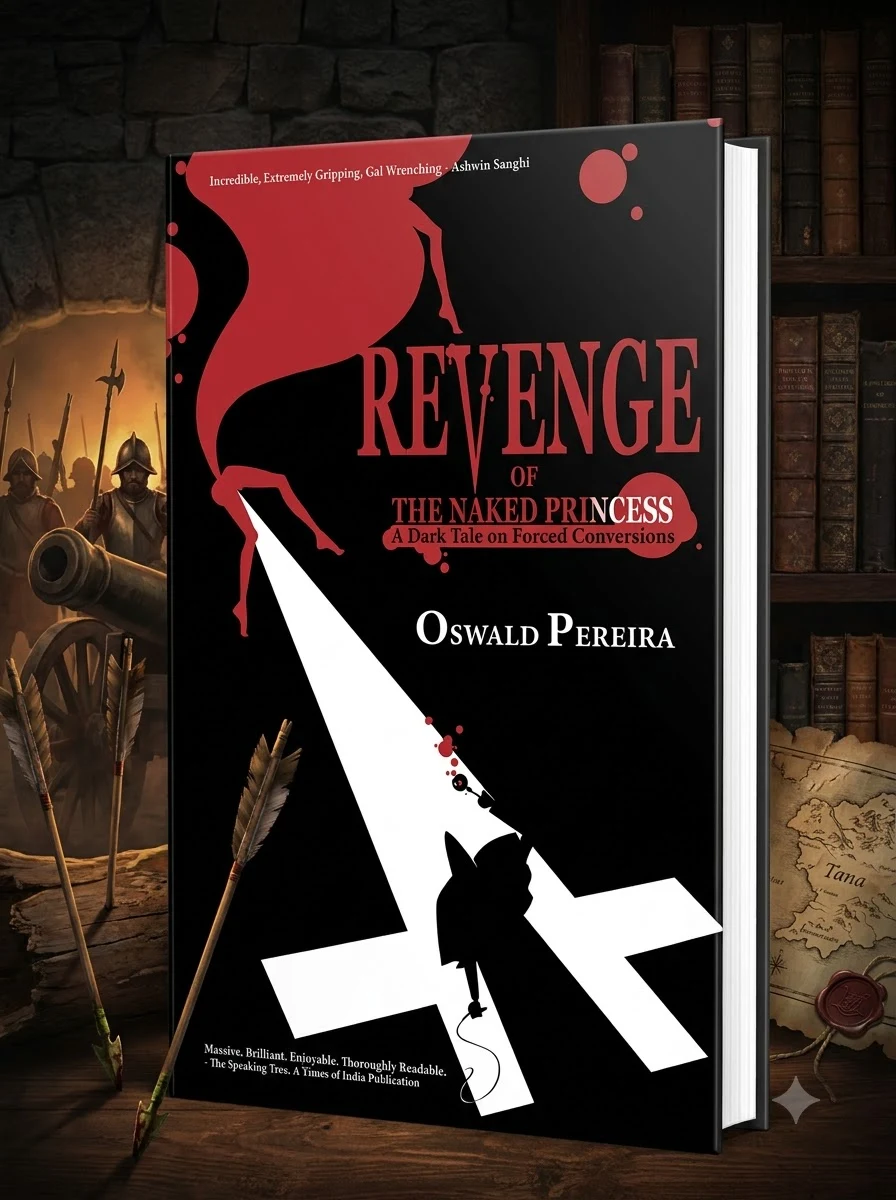
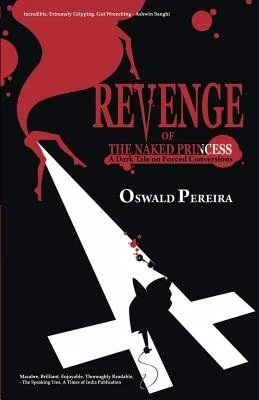
The narrative follows Princess Darshana Kamya Kathodi as she defends her palace in Tana. She faces a joint brigade sent by the Portuguese King and the Pope. The invaders carry a monstrous cannon and numerous firearms to enforce their will. Pereira depicts the princess using poison arrows from her archers to fight back. The story highlights the violence inherent in forced religious conversion. It draws on the specific historical context of May 1545. The author brings journalistic precision to this fictionalized account. The plot focuses on the clash between tribal defense and imperial aggression. It offers a gritty look at colonial expansion through the eyes of the targeted. Pereira connects this event to his previous success with The Newsroom Mafia.
The story is set in Tana during May 1545. It involves the Portuguese King and the Pope sending a joint brigade. The narrative focuses on the tribal people of the region resisting this imperial force.


📝 Description: Revenge of the Naked Princess
💎 Our verdict on Revenge of the Naked Princess
📖 Why choose it
Why this book is worth reading
Readers seeking a gritty, unflinching look at colonial aggression through the lens of targeted resistance will find this narrative compelling. It appeals to those interested in political thrillers and detailed historical fiction featuring strong female protagonists who defy imperial might. The book offers a fresh perspective on the brutal reality of forced conversion, moving away from broad theological debates to focus on visceral conflict. Those who appreciate journalistic precision applied to fictionalized accounts of past atrocities will gain insight into power dynamics without modern political interference.
⭐ Reader reviews
Reader rating
Pereira delivers a tense historical account that prioritizes the visceral experience of invasion over abstract ideology. By focusing on Princess Darshana’s defense with poison arrows against superior firepower, the text highlights the stark disparity between tribal survival and imperial ambition. The tone is harsh and direct, avoiding romanticization to show the deathly trail of conquest. This approach suits readers who prefer historical realism and political tension over gentle narratives. The narrative effectively uses specific events to explore broader themes of faith and violence, making it a potent choice for those interested in the darker aspects of colonial history.
You might also like
See more →







Have a question about this item?
Ask about the edition, condition, delivery or anything else — we reply by email or phone, usually within a day.
