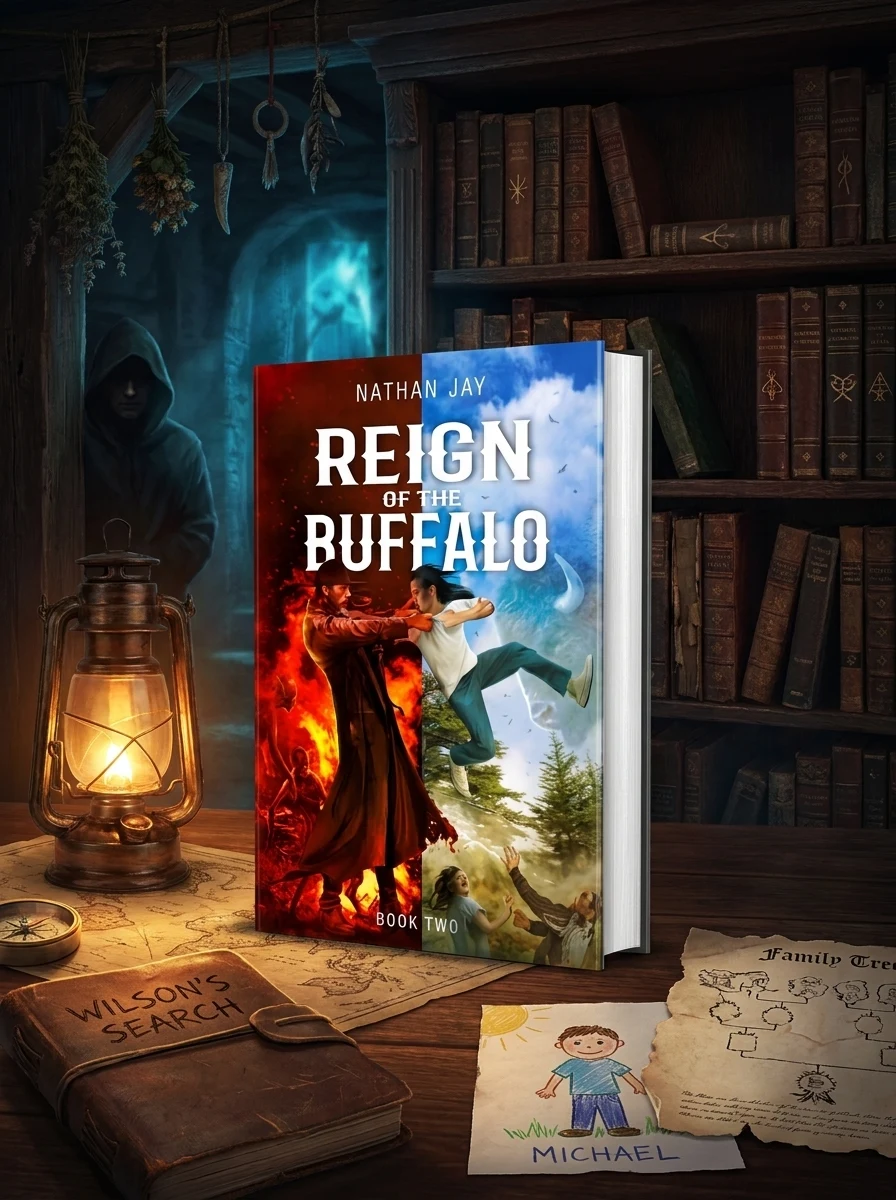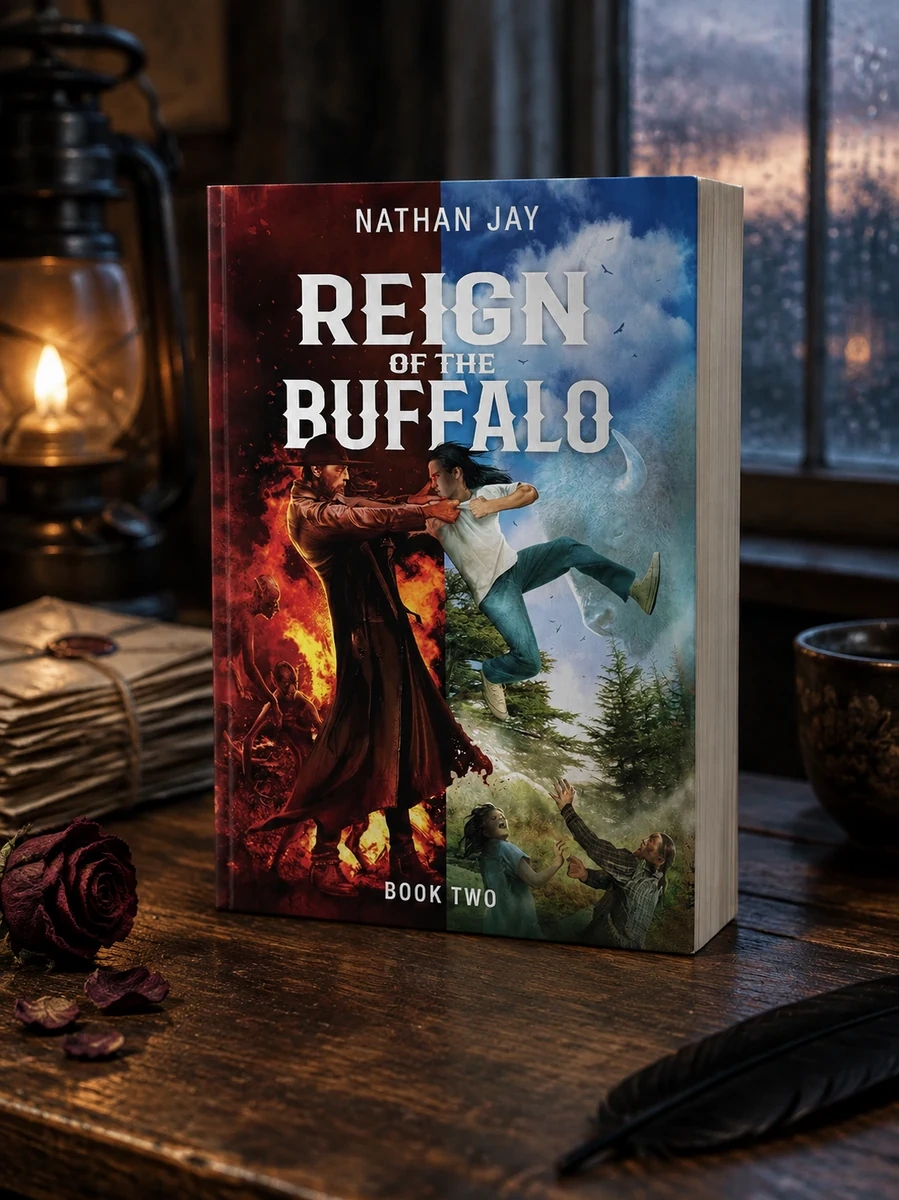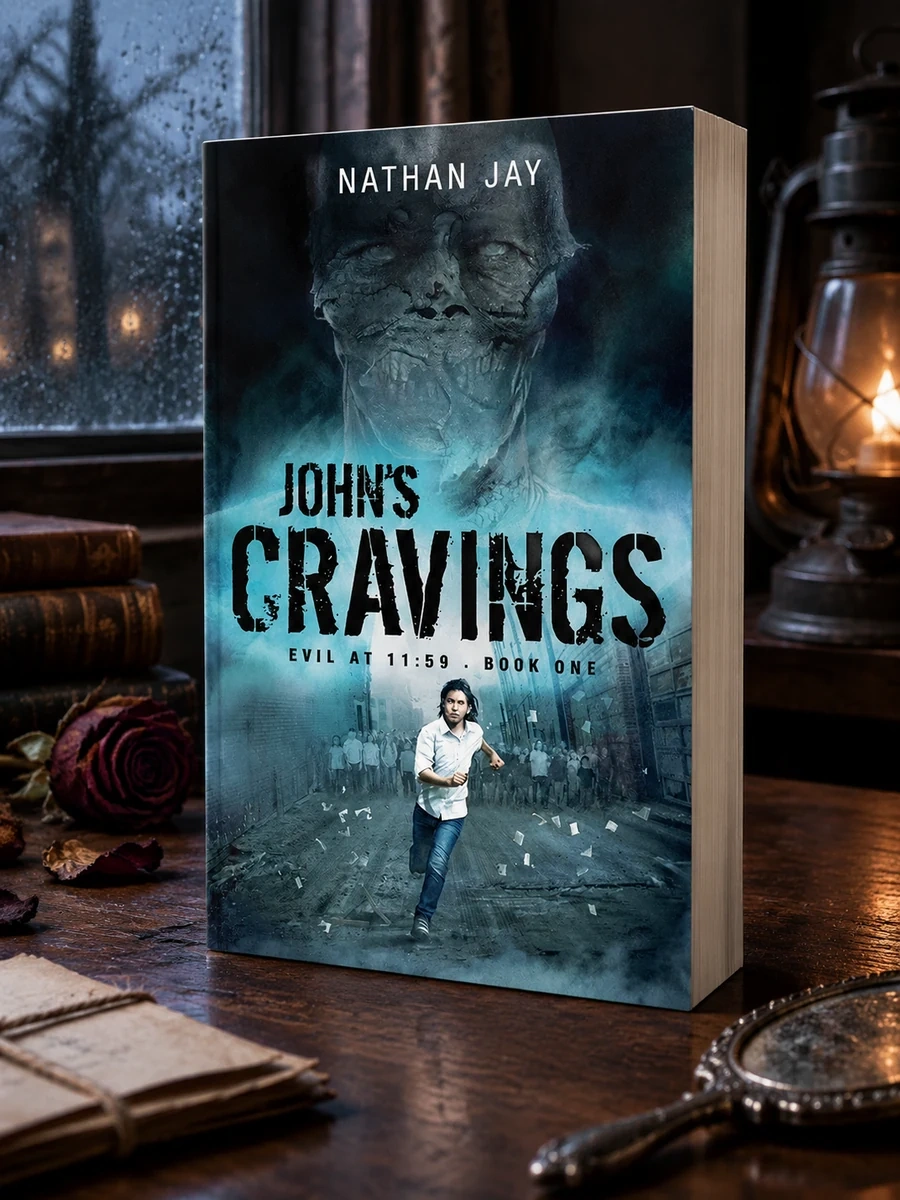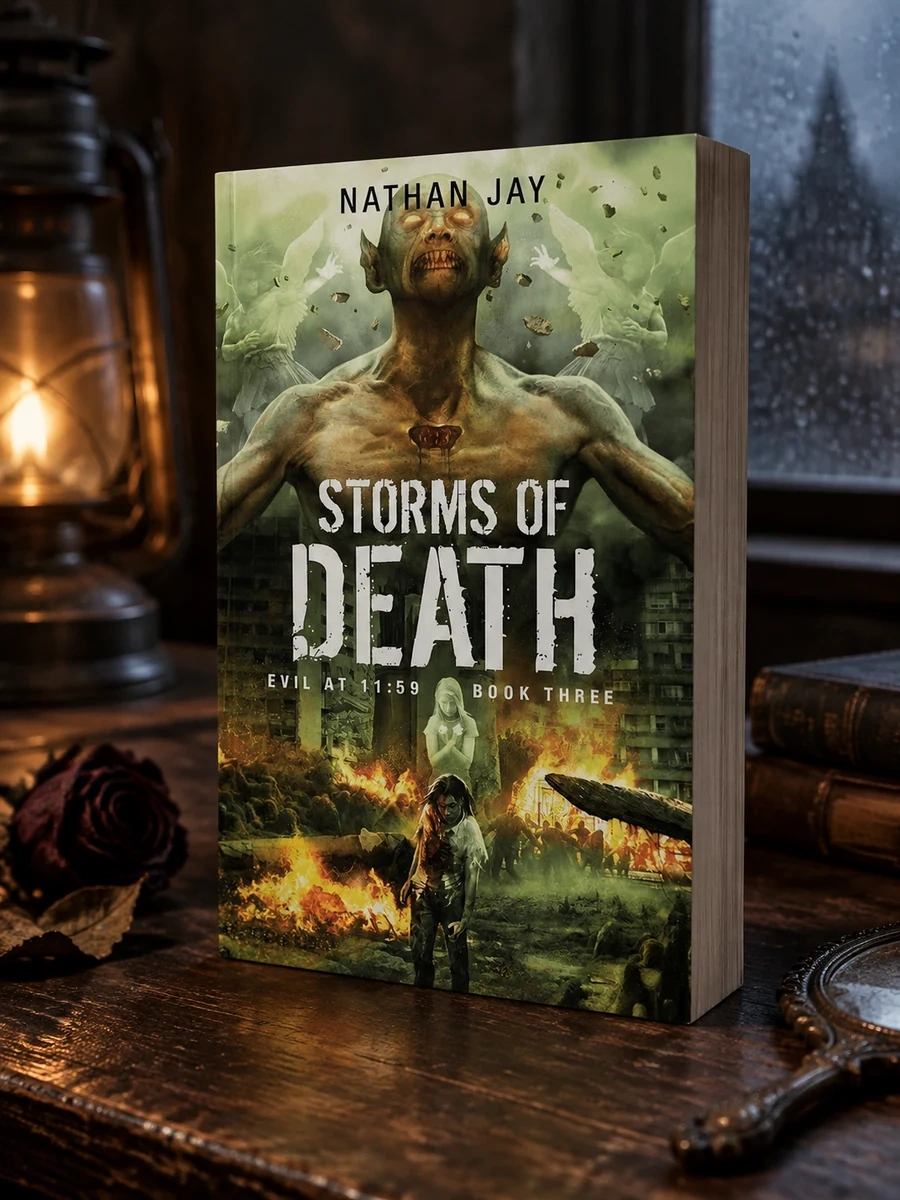
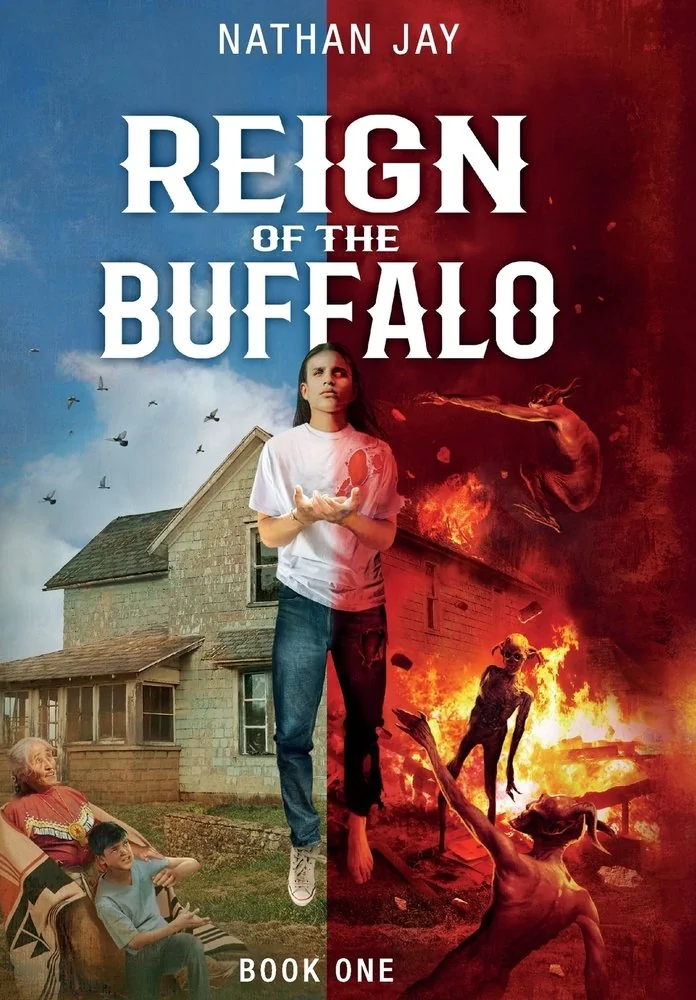
Reign of the Buffalo: Book 1
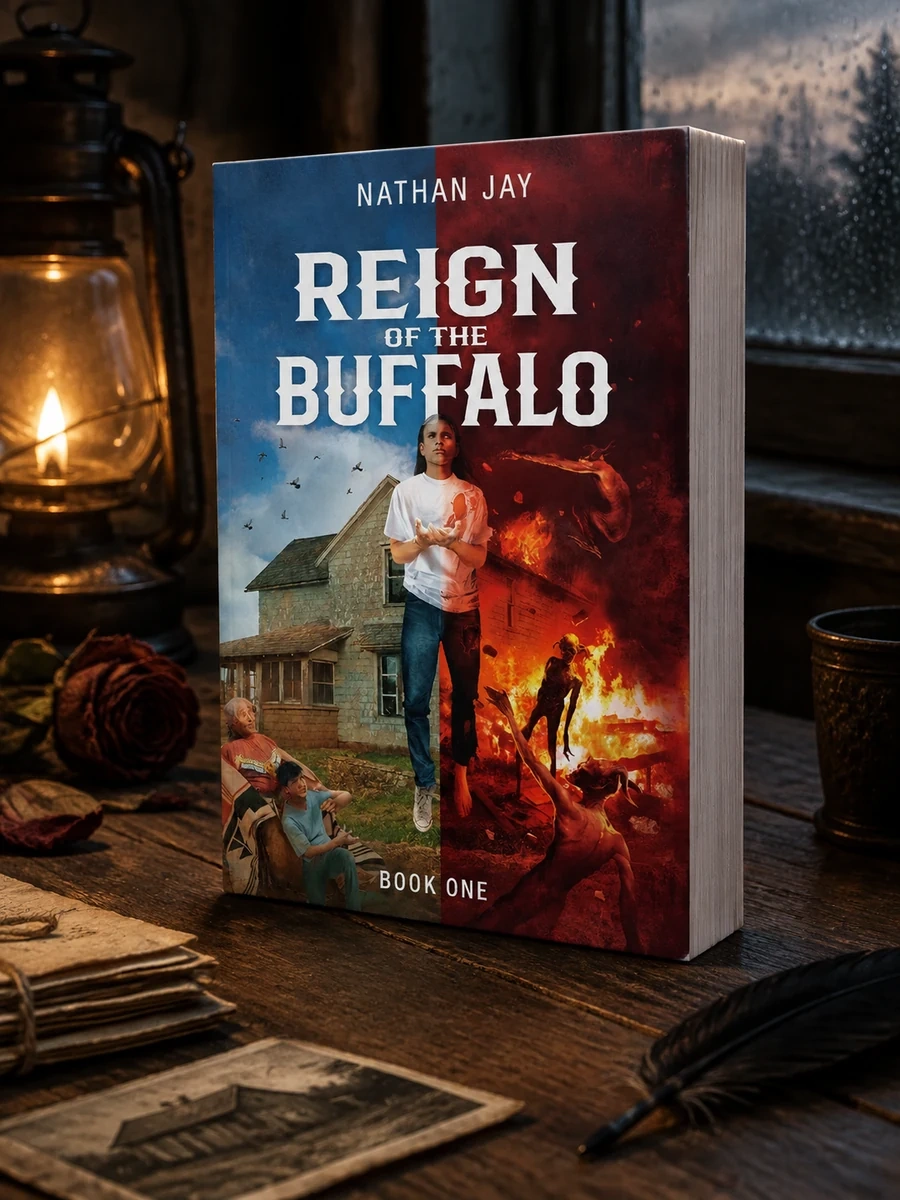
A boy inherits a terrifying secret from his dying great-grandmother in the rural South.
Wilson spends his summers in the South under parental orders, tasked with watching over his centenarian great-grandmother. She remains secluded, staring into the woods, until her passing releases a powerful object into Wilson’s hands. This gift alters his worldview and changes how society treats him. The story examines the burden of hidden family history and the consequences of parental protectionism. It explores the intersection of Native American traditions and modern suburban life through the lens of a young boy coming to terms with supernatural realities. The narrative does not offer easy answers but rather presents a lingering sense of unease.
The story is set in the American South, specifically involving an elderly Native American woman living on the edge of a small town. It draws on themes of indigenous heritage and rural isolation, contrasting with the urban life of Wilson's parents.


📝 Description: Reign of the Buffalo: Book 1
💎 Our verdict on Reign of the Buffalo: Book 1
📖 Why choose it
Why this book is worth reading
This book is ideal for readers who prefer atmospheric tension over visceral shock, offering a profound exploration of familial duty and hidden histories. It appeals to those interested in the psychological weight of inheritance and the unsettling intersection of Native American traditions with modern suburban life. Readers seeking a slow-burn narrative that challenges their perception of reality through the eyes of a maturing protagonist will find value here. The story does not provide easy answers, instead fostering a lingering sense of unease that lingers long after the final page, making it a compelling choice for those who enjoy horror that examines societal treatment and parental protectionism.
⭐ Reader reviews
Reader rating
Jay delivers a distinct supernatural narrative that prioritizes psychological dread over graphic violence. The story effectively utilizes the rural Southern setting to amplify feelings of isolation and impending doom. Wilson’s forced maturity serves as a poignant lens for examining generational secrets and cultural heritage. The text avoids traditional monster-hunting tropes, opting instead for a complex examination of how hidden family histories alter perception. While it may disappoint those seeking fast-paced action, the slow-burn approach creates a unique atmosphere. This work stands out by focusing on the burden of inheritance and the tension between secrecy and truth, offering a thoughtful, if unsettling, read.