Reign of Flesh
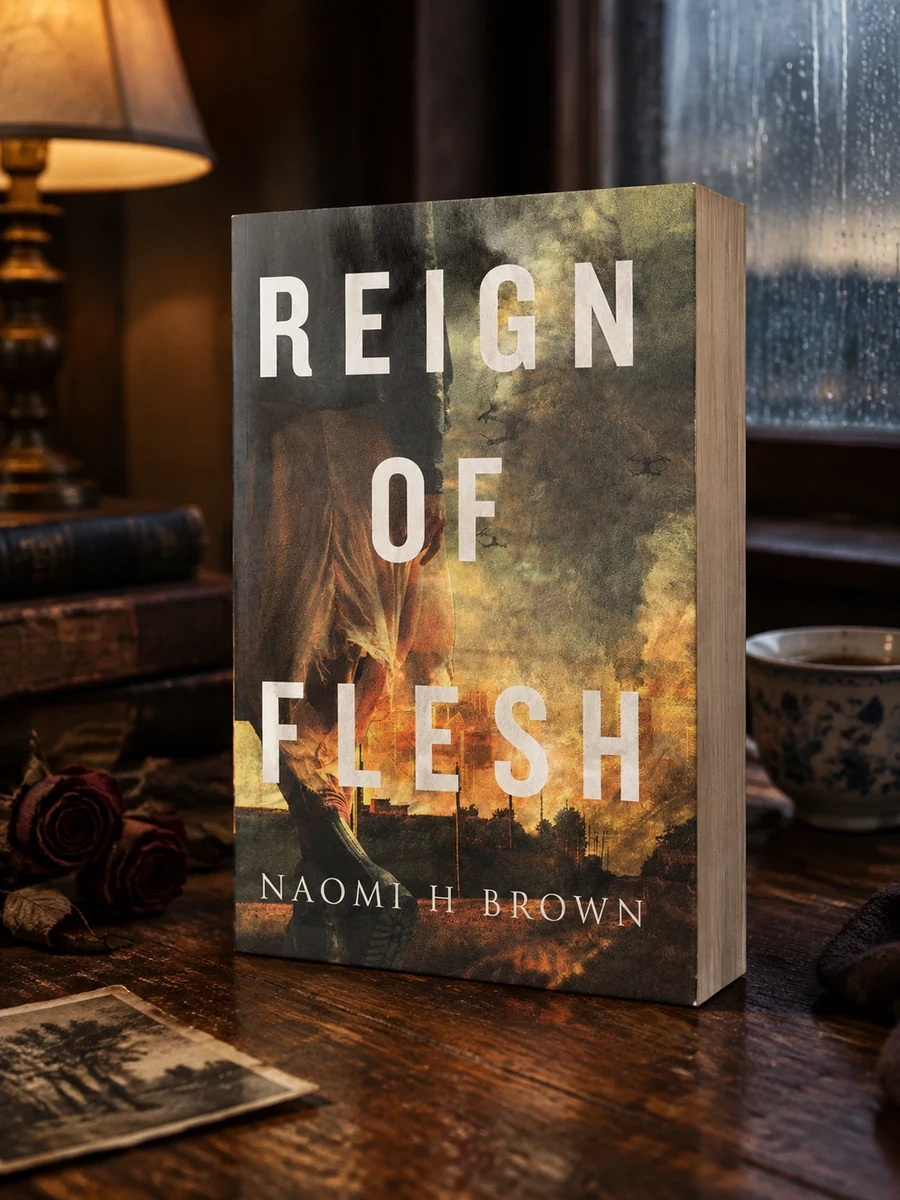
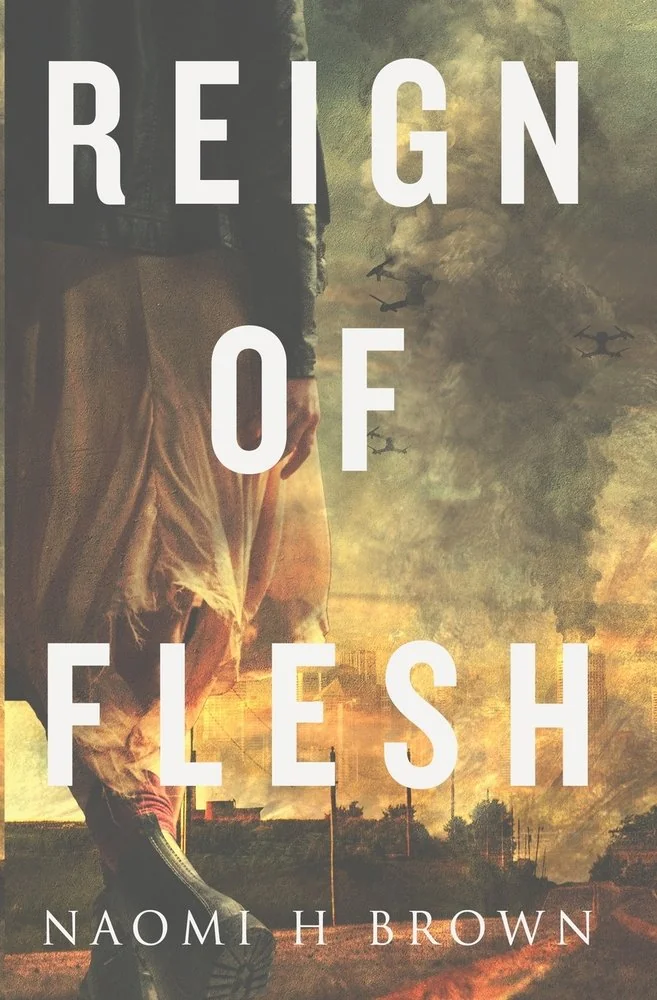
A sister protects her sibling from mechanical wasps in a ruined city.
Jess carries the weight of raising Sasha while escaping a city overrun by mechanical wasps. They face marauding gangs and killer drones that leave smoldering rubble in their wake. Jess’s darker instincts surface as she fights to keep them alive. She becomes a leader for misfits who join their path. The narrative focuses on the brutal choice between killing or being killed. Brown examines how ordinary people adapt when civilization dies. The story avoids traditional heroics, showing instead the cost of survival. Readers interested in psychological horror and urban decay will appreciate this approach.
Reign of Flesh sits within the contemporary dystopian horror genre. Published in 2022, it reflects modern anxieties about technology and environmental collapse. The work draws on traditions of post-apocalyptic fiction that question human resilience. It uses a near-future setting to explore societal breakdown.


📝 Description: Reign of Flesh
💎 Our verdict on Reign of Flesh
📖 Why choose it
Why this book is worth reading
Readers seeking a raw, unvarnished look at human nature under extreme duress will find this narrative compelling. It appeals to those who prefer gritty, character-driven horror over supernatural explanations, focusing instead on mechanical terror and the brutal cost of survival. The book is ideal for audiences tired of traditional heroics, offering instead a psychological examination of how ordinary people adapt when civilization dies. Fans of urban decay and moral ambiguity will appreciate the consistent tone that emphasizes immediate physical danger over hope. It suits those who want to witness the erosion of ethics in a world where old rules no longer apply, providing a visceral experience defined by constant threat and the burden of responsibility rather than easy answers.
⭐ Reader reviews
Reader rating
This work excels in its unflinching portrayal of psychological strain amidst urban destruction. Brown avoids romanticizing survival, presenting instead a harsh reality where killing is often the only option. The narrative effectively balances intimate sibling dynamics with the broader chaos of marauding gangs and killer drones. It suits readers who enjoy moral ambiguity and visceral conflict without resorting to clichéd tropes. The focus on mechanical terror grounds the horror in plausible dread rather than fantasy. Those preferring gentle romance or historical settings may find the tone too bleak, but fans of gritty, realistic horror will appreciate the consistent emphasis on survival over hope. It is a potent study of human adaptability when faced with annihilation.