Recursion
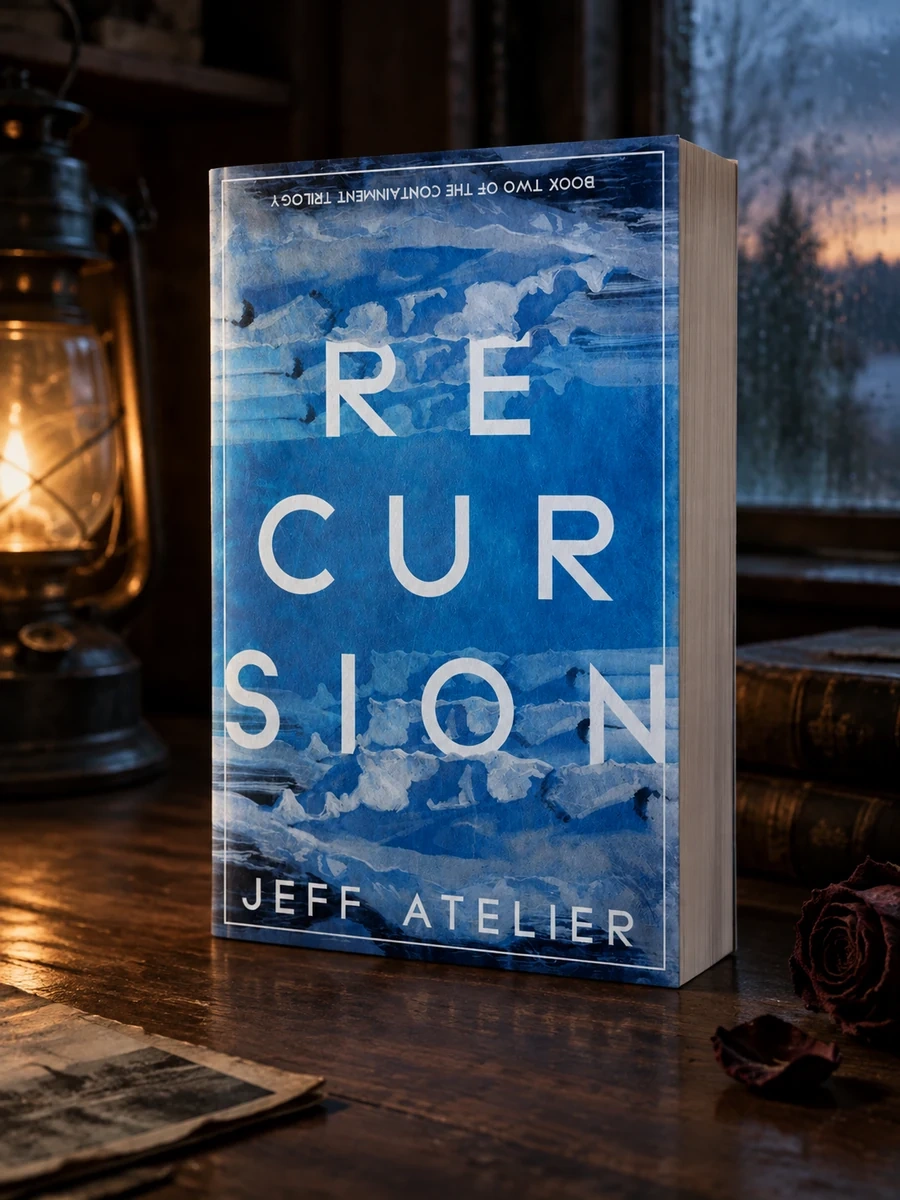
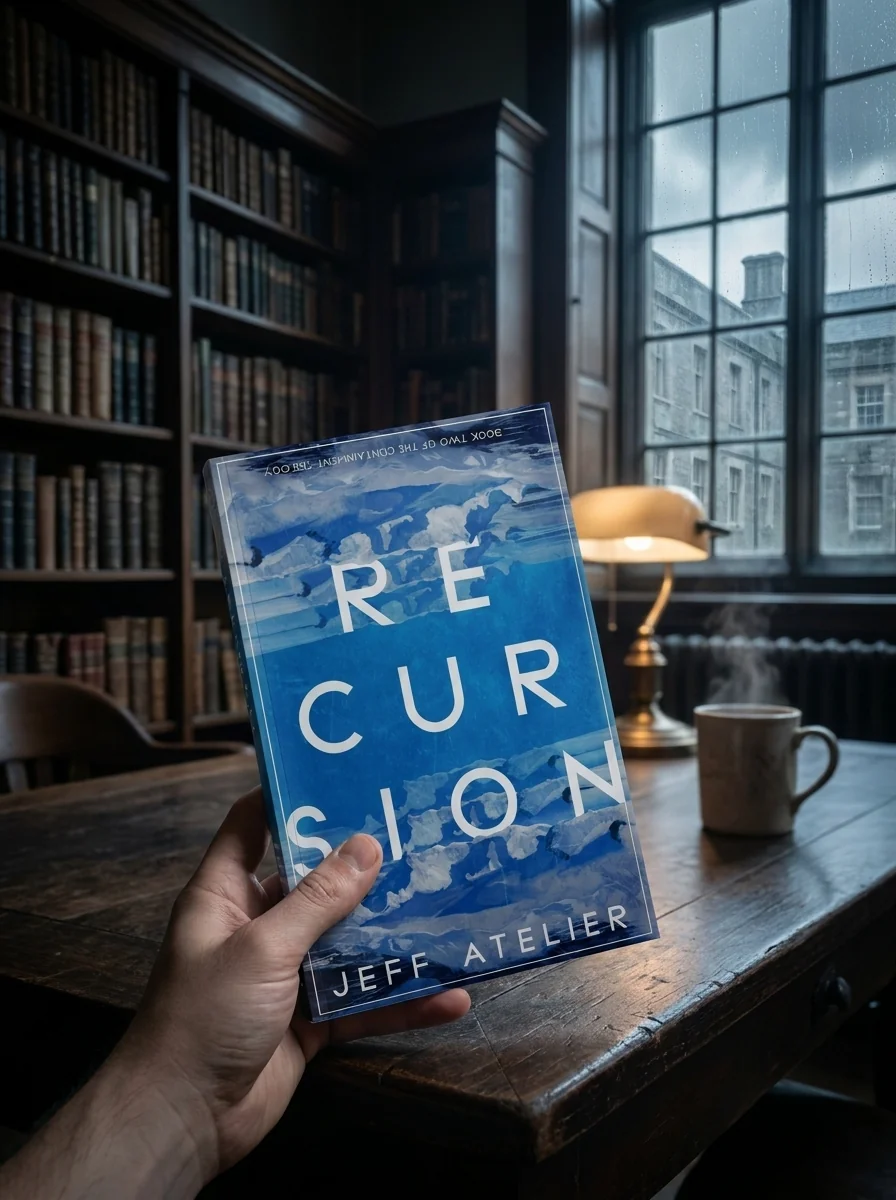
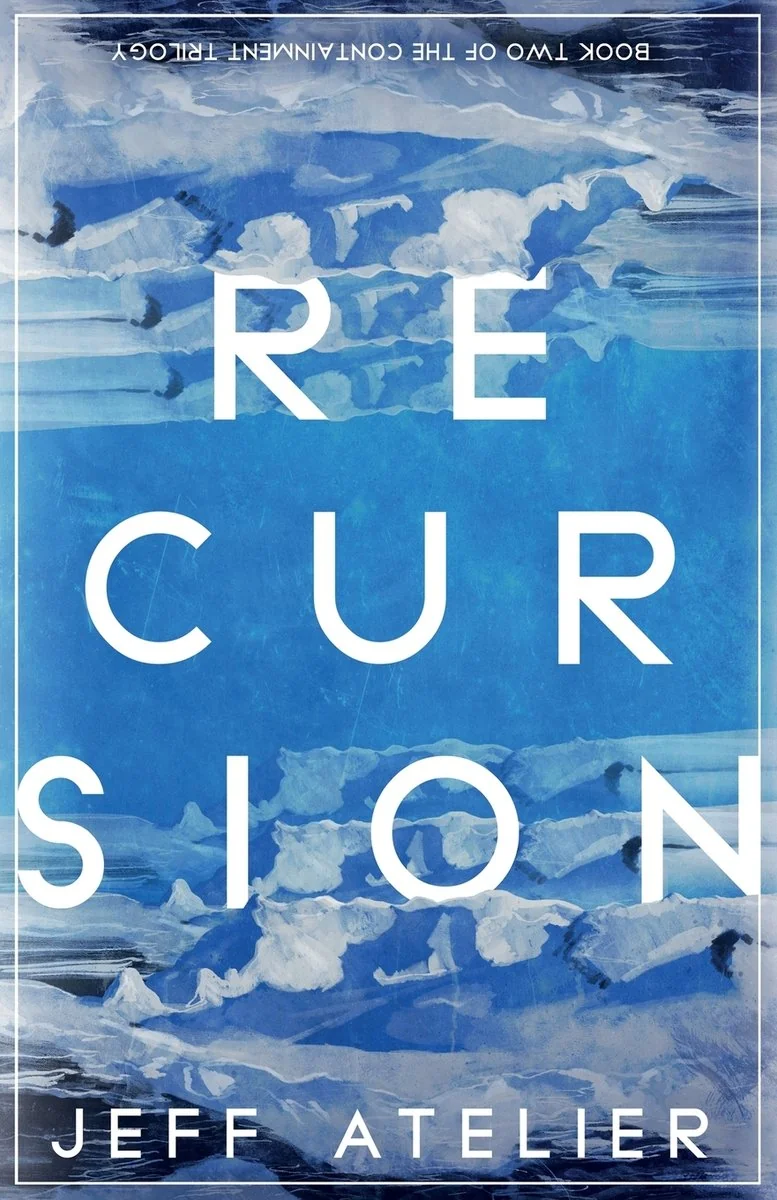
A man wakes in 1974 inside a stranger's body at a frozen research facility.
Atelier constructs a chilling portrait of institutional control through Rick's repeated existence. The text examines the psychological toll of knowing one's fate while trapped in a cycle of abuse. David Hartley becomes a vessel for Rick's accumulated trauma. The facility operates as a machine designed to break the spirit. The intercom voice represents the system's manipulation. Rick's awareness isolates him further from his new identity. The narrative structure mirrors the recursive nature of the plot itself.
This work sits within the tradition of American gothic horror. It draws on mid-twentieth-century anxieties about scientific ethics and government secrecy. The 1974 setting reflects era-specific fears regarding mental health facilities and hidden research projects.


📝 Description: Recursion
💎 Our verdict on Recursion
📖 Why choose it
Why this book is worth reading
Readers seeking a deeply atmospheric and intellectually stimulating horror experience will find this book rewarding. It appeals to those who enjoy psychological depth over visceral gore, offering a chilling exploration of identity and trauma. Fans of complex narrative structures and time-loop mysteries will appreciate the recursive nature of the plot. The book is ideal for individuals interested in the subgenre of institutional horror, where the setting itself acts as an antagonist. Those who prefer slow-burn dread and philosophical inquiries into fate and free will will find value here. It is not for readers craving fast-paced action or clear resolutions, but rather for those willing to endure a cycle of abuse to understand the psychological toll on the protagonist.
⭐ Reader reviews
Reader rating
Jeff Atelier delivers a masterclass in atmospheric tension through Recursion. The narrative excels in portraying the psychological erosion of Rick Shepherd as he navigates his repeated existence within the claustrophobic Threshold Station. By mirroring the plot’s recursive structure, the text immerses the reader in the protagonist’s disorientation and isolation. The portrayal of institutional control is both subtle and terrifying, relying on dread rather than explicit threats. This approach ensures a lingering sense of unease that persists long after reading. The book is best suited for connoisseurs of psychological horror and gothic fiction who appreciate nuanced character studies. It may frustrate those seeking traditional narrative arcs but will satisfy readers looking for a profound examination of trauma and cyclical fate.
📖 Read on the blog
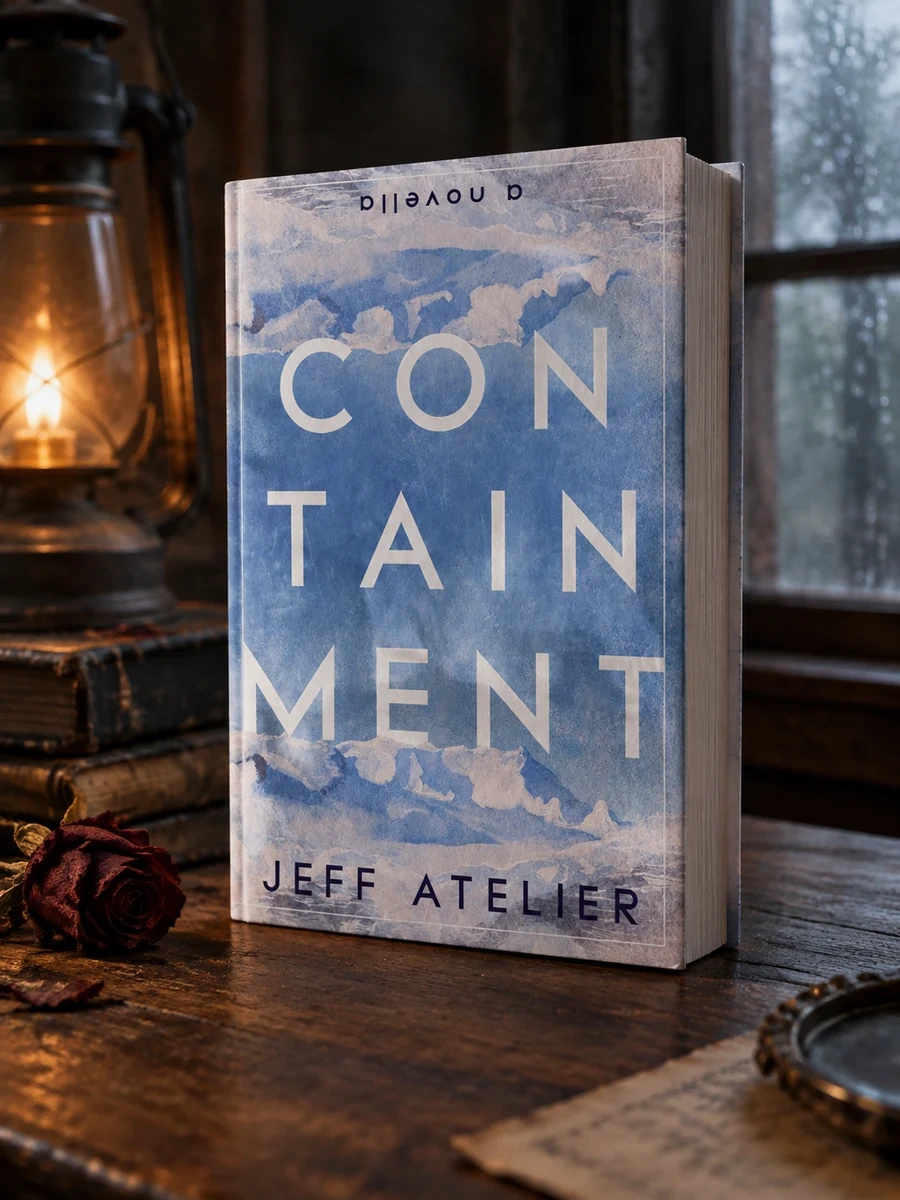
✍️ More books by this author Jeff Atelier


🏛 Books from this publisher Jeff Atelier
You might also like
See more →




Have a question about this item?
Ask about the edition, condition, delivery or anything else — we reply by email or phone, usually within a day.
