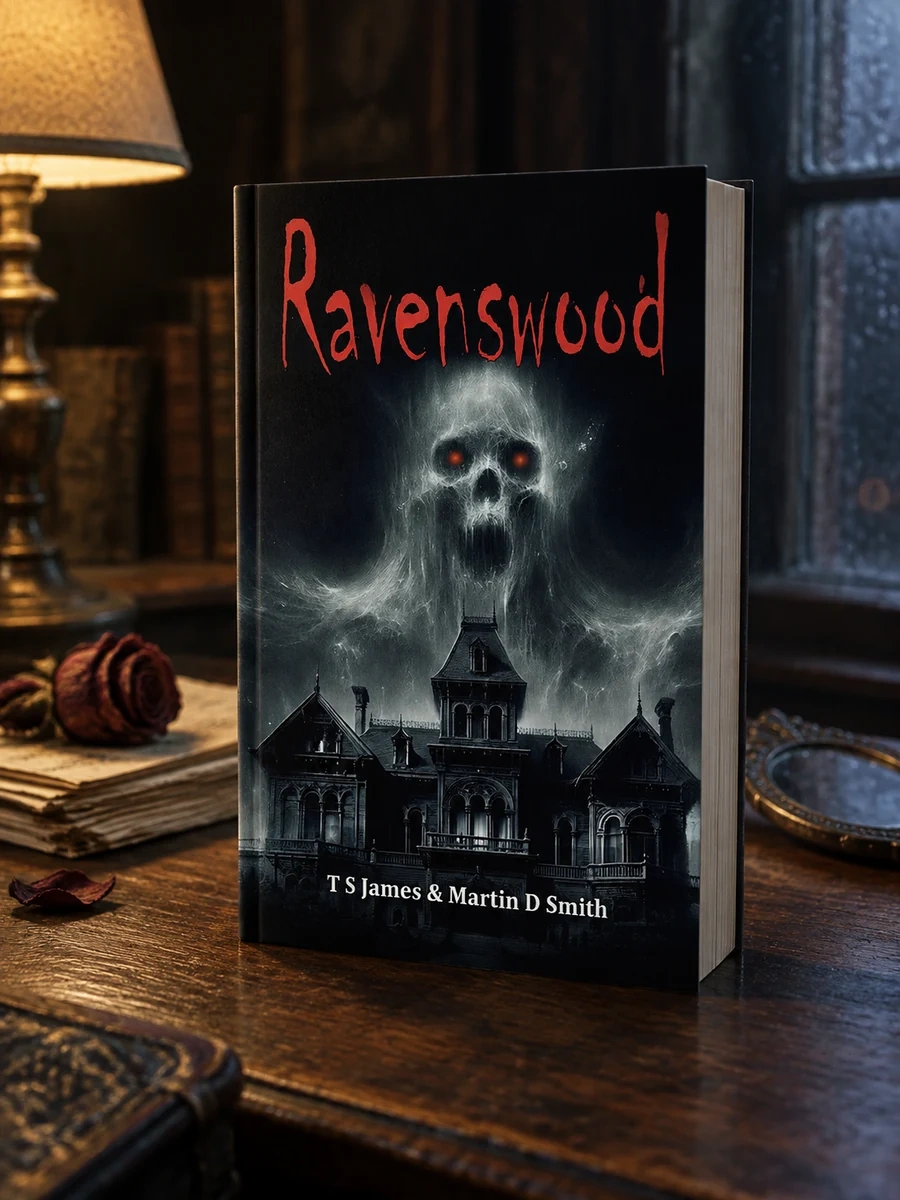
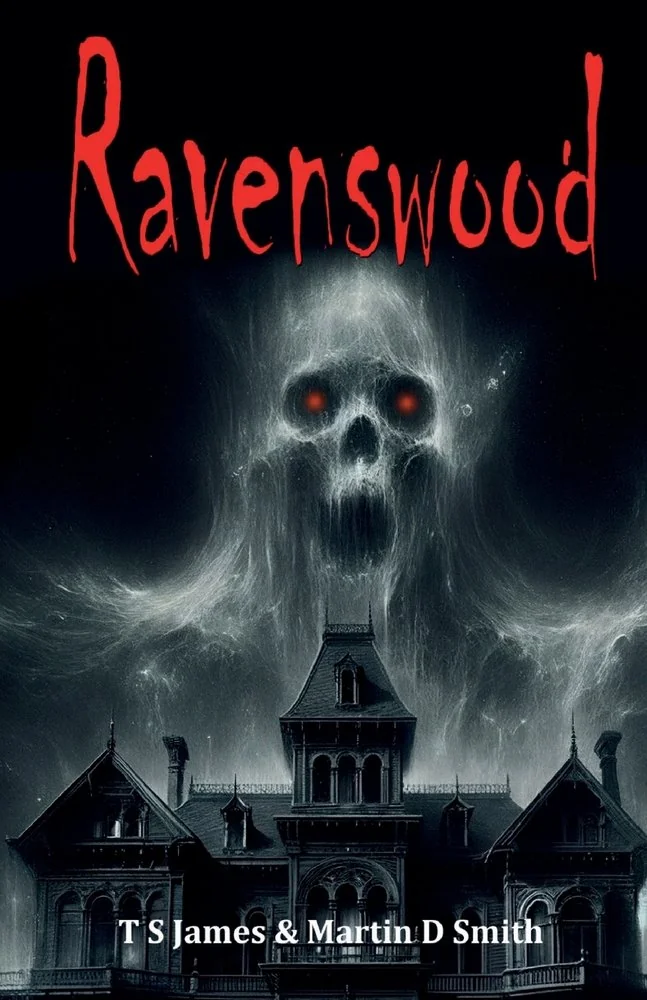
Ravenswood
A ghost hunting team faces an ancient evil in a decaying asylum.
The narrative follows investigators who breach the walls of Ravenswood Asylum. They seek communication with spirits but awaken a malevolent entity instead. This being consumes despair and distorts their perception of reality. The group finds that escape requires facing the darkness directly. Their souls hang in the balance as nightmares manifest physically. The story highlights the futility of trying to control such forces. It depicts the psychological toll of prolonged exposure to fear. The characters must rely on confronting the source rather than fleeing. James structures the plot around their deteriorating mental states. The asylum itself acts as a trap for the unwary. The investigators learn too late that some doors should remain closed. Their journey ends in a struggle for survival against an incomprehensible power.
This 2024 publication by T S James fits within the tradition of American haunted house fiction. It draws on gothic horror tropes involving abandoned institutions and ghost hunting. The work aligns with contemporary supernatural narratives that emphasize psychological dread over gore.


📝 Description: Ravenswood
💎 Our verdict on Ravenswood
📖 Why choose it
Why this book is worth reading
Readers who crave intense psychological terror and atmospheric dread will find this narrative deeply satisfying. It appeals to those who enjoy stories where the setting itself acts as a trap for the unwary, blurring the lines between reality and nightmare. Fans of cosmic horror appreciate the futility of controlling incomprehensible powers, while gothic enthusiasts value the focus on decaying institutions and the psychological toll of confronting ancient evils. This book is ideal for audiences seeking immersive, soul-crushing experiences rather than lighthearted supernatural adventures or resolved endings.
⭐ Reader reviews
Reader rating
James crafts a compelling exploration of despair within the confines of Ravenswood Asylum, utilizing the setting as a character that warps reality and perception. The narrative excels in depicting the gradual loss of sanity among investigators who awaken a malevolent entity feeding on their fear. By focusing on atmospheric dread rather than action, the text builds tension through psychological deterioration. It suits readers who enjoy tales of haunted institutions and the consequences of disturbing places devoid of hope. The story effectively highlights the cost of seeking contact with the dead, offering a chilling examination of human vulnerability against an overwhelming, incomprehensible force.
You might also like
See more →







Have a question about this item?
Ask about the edition, condition, delivery or anything else — we reply by email or phone, usually within a day.
