Rabid Lands
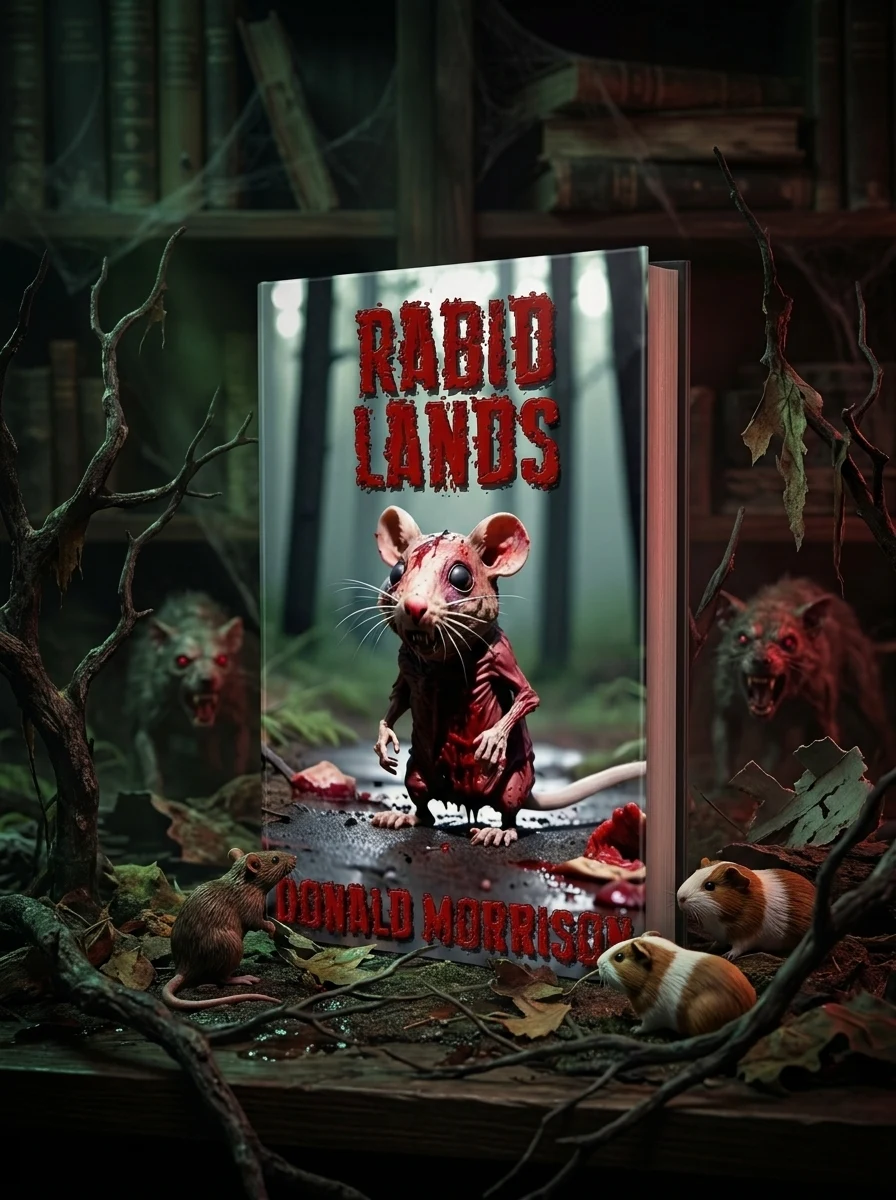
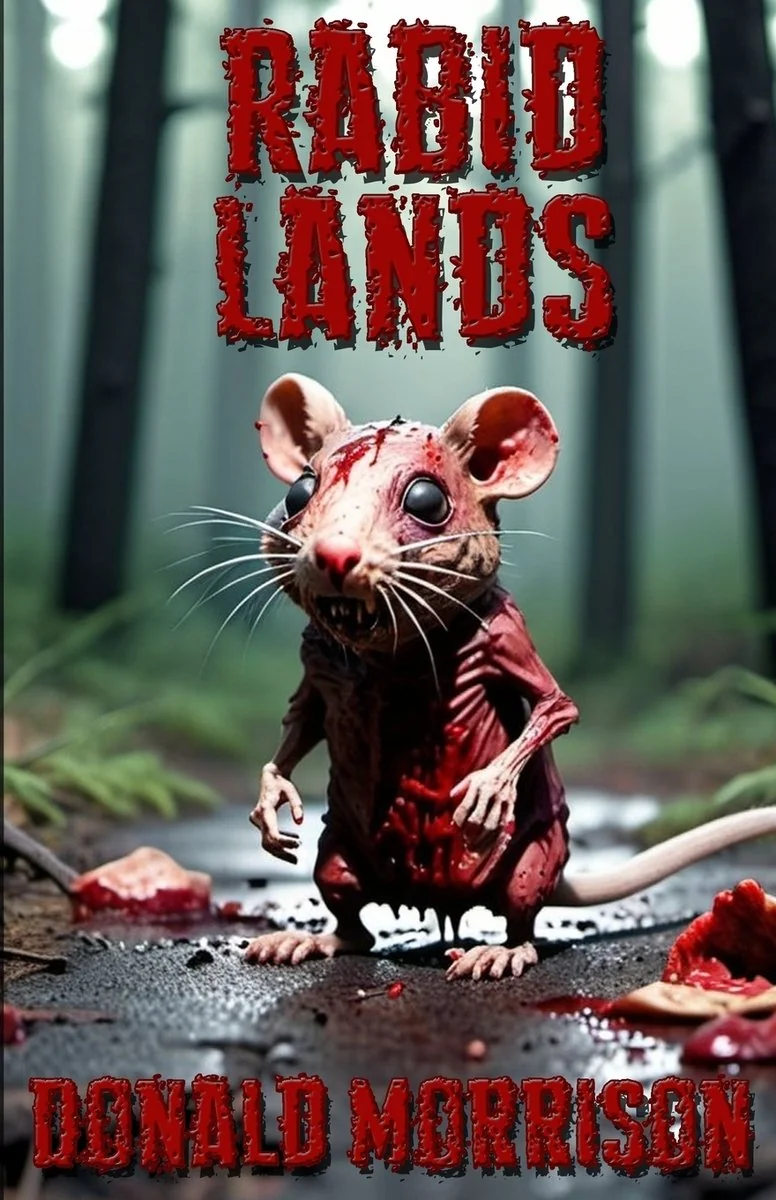
A rat and two guinea pigs fight rabid animals in a corrupted forest.
This novel reimagines the wilderness as a site of terror rather than refuge. The central conflict arises when ordinary creatures encounter infected beasts driven by pure bloodlust. Morrison uses the perspective of small prey animals to heighten the stakes of survival. The narrative focuses on the psychological toll of paranoia and the necessity of trust among companions facing extinction. By grounding the horror in the physical reality of being hunted, the book creates a visceral experience. The story does not rely on complex political intrigue but rather on the immediate threat of death and the struggle to maintain sanity in an insane world.
The book sits within the tradition of animal adventure fiction, specifically echoing the tone of Watership Down and The Plague Dogs. It also shares thematic DNA with outbreak narratives like World War Z. Morrison blends these elements to create a unique vision of supernatural horror that focuses on ecological collapse and the fragility of life in the wild.


📝 Description: Rabid Lands
💎 Our verdict on Rabid Lands
📖 Why choose it
Why this book is worth reading
Readers who enjoy supernatural fiction involving animal perspectives and ecological dread will find this book compelling. The narrative offers a visceral experience by grounding horror in the physical reality of being hunted, focusing on the psychological toll of paranoia rather than complex political intrigue. It suits those interested in apocalyptic survival where ordinary creatures encounter infected beasts driven by pure bloodlust. The story highlights the necessity of trust among companions facing extinction, creating a battle of tooth and claw that maintains immediate stakes. It is ideal for fans who appreciate bleak tones and the struggle to maintain sanity in an insane world without relying on human-centric horror tropes.
⭐ Reader reviews
Reader rating
Morrison successfully reimagines the wilderness as a site of terror, utilizing the perspective of small prey animals to heighten the stakes of survival. By focusing on Maya the rat and her guinea pig companions, the text creates a visceral experience of ecological dread. The narrative avoids complex political intrigue, instead emphasizing the immediate threat of death and the psychological toll of paranoia. This approach makes the horror feel intimate and urgent. The work draws effectively on traditions found in Watership Down and World War Z, offering a unique blend of animal adventure and outbreak horror. It suits readers who enjoy bleak tones and supernatural fiction involving animal perspectives, though those seeking light-hearted fantasy may find it too intense.