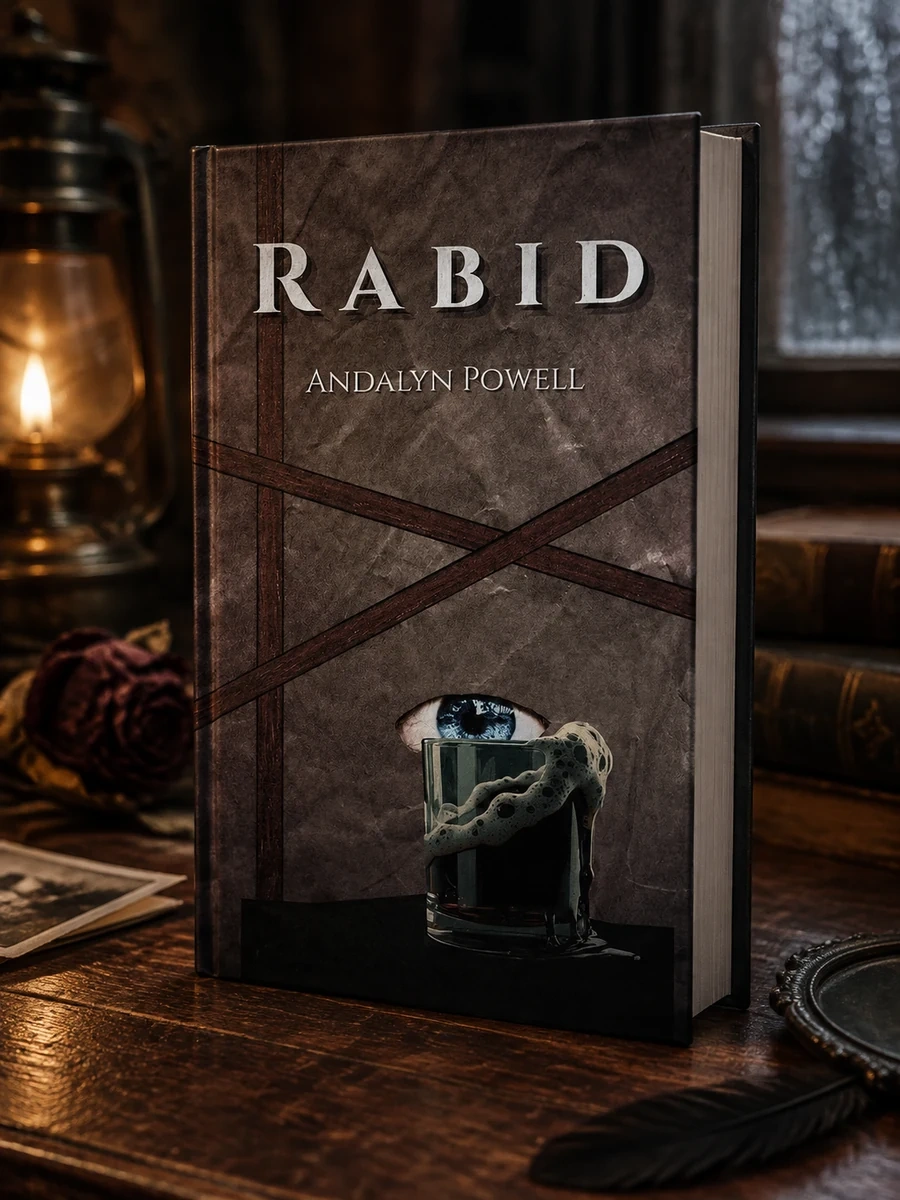
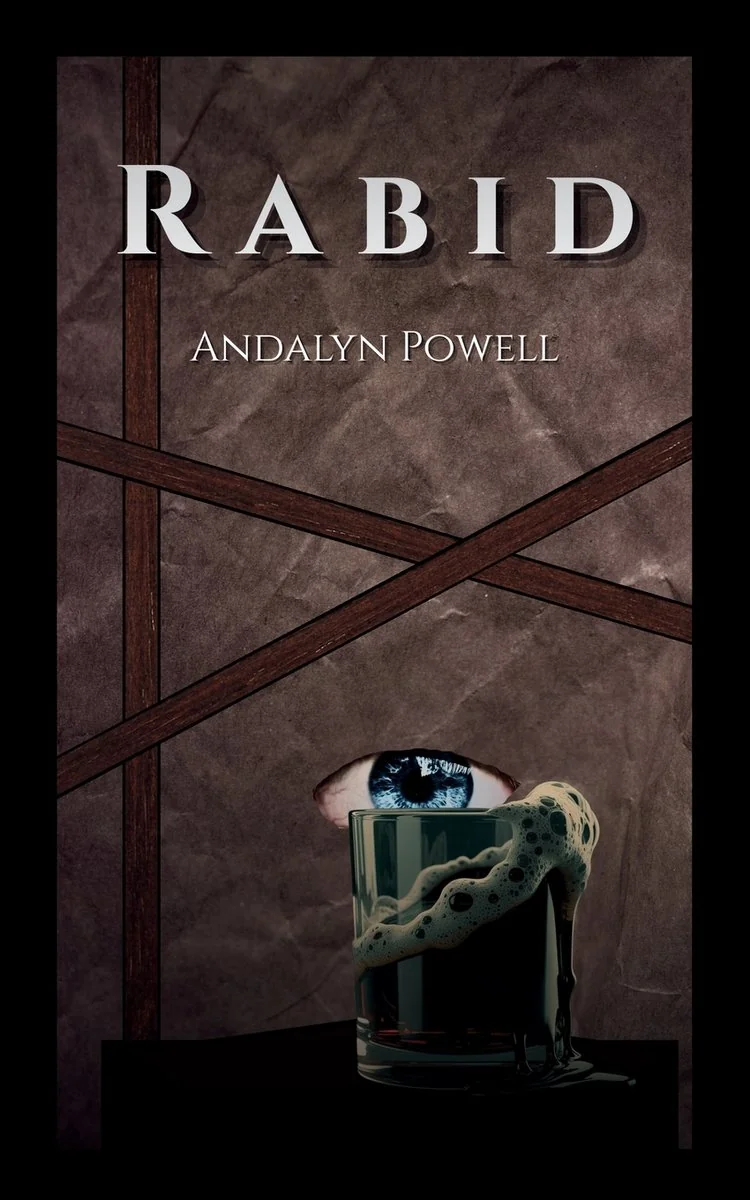
Rabid
A story about cognitive decline caused by a futuristic rabies variant.
Powell explores the intersection of biology and madness through Drake’s journey. The book focuses on the internal experience of losing one’s mind rather than external threats. By using specific colors and actions to describe mental states, the author creates an immersive portrait of insanity. The futuristic element adds a layer of speculative fiction to the classic horror trope of rabies. This approach allows for a unique examination of how physical ailments can alter personality and perception. The narrative remains tightly focused on Drake’s subjective reality throughout.
This 2026 release from Bowtie Books sits within the contemporary horror landscape, blending gothic fiction with supernatural elements. It updates traditional fears of disease by introducing a futuristic virus, appealing to modern readers who enjoy speculative twists on classic horror themes.


📝 Description: Rabid
💎 Our verdict on Rabid
📖 Why choose it
Why this book is worth reading
Readers seeking an immersive exploration of psychological collapse will find this title compelling. It appeals to those who prefer internal horror over external threats, offering a stark look at how biological forces can warp identity. The narrative is ideal for fans of body horror and speculative fiction who appreciate nuanced depictions of mental illness. By focusing on the subjective reality of cognitive decline, it provides a visceral experience of losing one’s mind. It suits audiences interested in the intersection of biology and madness, particularly those who enjoy stories where the antagonist is the protagonist's own deteriorating consciousness. The use of specific imagery to map insanity makes it a unique choice for literary horror enthusiasts.
⭐ Reader reviews
Reader rating
Powell delivers a tightly focused descent into madness, prioritizing Drake’s internal disintegration over plot-driven action. The narrative excels in its visceral depiction of cognitive decline, using color and verb choices to illustrate the fracturing of reality. This approach creates an immersive portrait of insanity that feels both scientifically grounded and deeply unsettling. The book is best suited for readers who appreciate psychological thrillers and gothic traditions where the body becomes a site of horror. It may disappoint those seeking traditional monster hunts or clear resolutions, but it rewards patience with a stark examination of disease and identity. The speculative element adds a fresh layer to classic horror tropes, making it a distinctive addition to the genre.
You might also like
See more →







Have a question about this item?
Ask about the edition, condition, delivery or anything else — we reply by email or phone, usually within a day.
