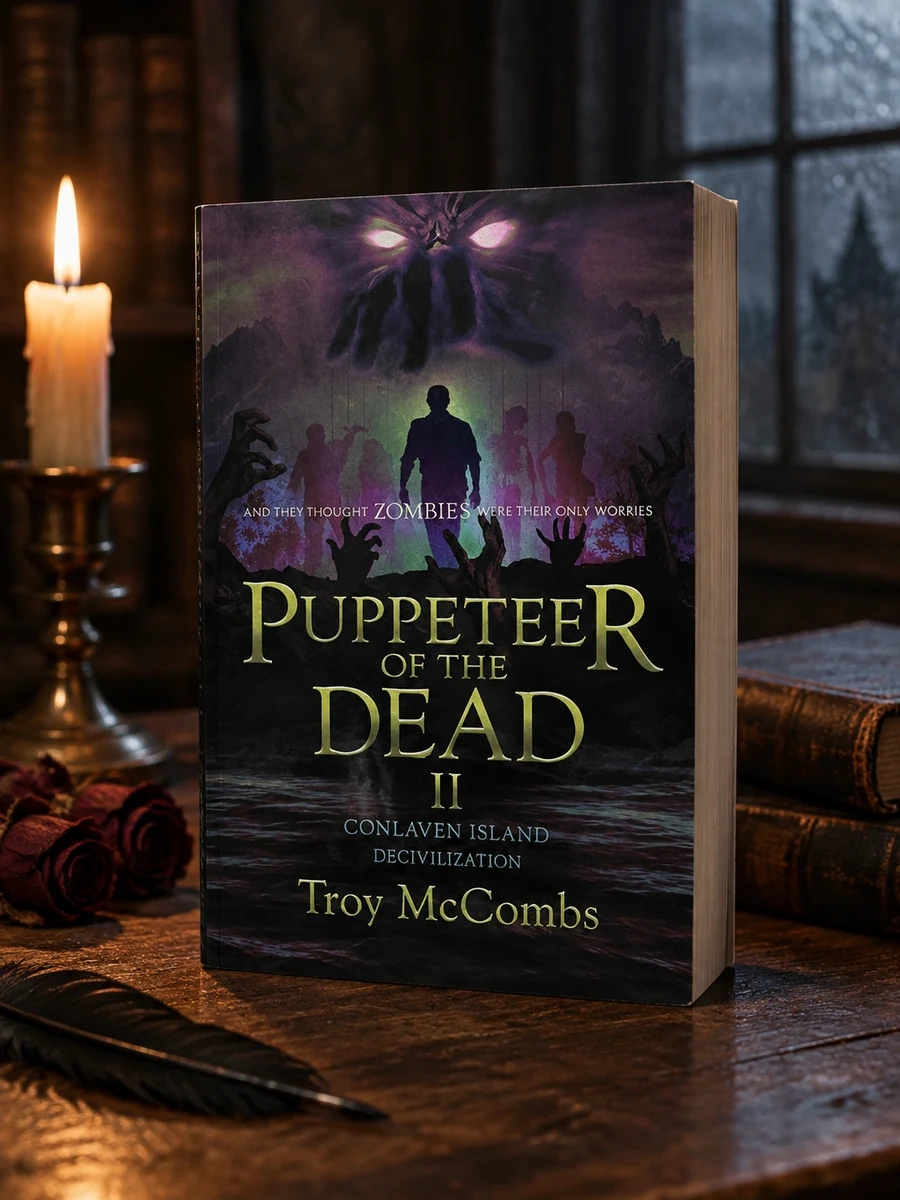

Puppeteer of the Dead II: Conlaven Island (Decivilization)
Survivors on Conlaven Island face deadlier threats from their human guards than the zombies outside.
The narrative shifts focus from external monsters to internal corruption. McCombs illustrates how military personnel, driven by the chaos of a broken world, become the primary aggressors. The story details the transition from perceived paradise to a prison where civilians are unarmed and vulnerable. It highlights the irony of seeking safety in a place designed for containment. The text examines the fragility of social contracts when resources and order vanish. Readers witness the rapid erosion of moral boundaries among those tasked with protection. This angle emphasizes the horror of betrayal by authority figures rather than supernatural elements.
This work emerges from the 2018 independent publishing landscape, specifically through Createspace. It engages with the American tradition of zombie fiction that critiques societal collapse. The setting reflects contemporary anxieties about pandemic response and government overreach in remote locations.


📝 Description: Puppeteer of the Dead II: Conlaven Island (Decivilization)
💎 Our verdict on Puppeteer of the Dead II: Conlaven Island (Decivilization)
📖 Why choose it
Why this book is worth reading
Readers who appreciate tension-driven narratives centered on human antagonists will find this book compelling. It appeals to those interested in the psychological toll of confinement and the rapid erosion of moral boundaries when institutional authority fails. The story offers a bleak examination of how isolation breeds paranoia and violence among survivors. Those seeking detailed medical explanations or hopeful resolutions may find the tone unsatisfying. However, fans of cosmic and psychological horror will enjoy the focus on the breakdown of societal norms. It provides a critical look at the betrayal by authority figures in times of crisis, emphasizing that deranged humans pose a greater danger than the undead horde.
⭐ Reader reviews
Reader rating
McCombs effectively illustrates the transition from perceived paradise to prison, highlighting the irony of seeking safety in containment zones. The narrative successfully shifts focus from external monsters to internal corruption, making military personnel the primary aggressors. This approach suits readers who enjoy tension-driven plots involving human antagonists rather than supernatural elements. The text examines the fragility of social contracts when resources vanish, offering a stark view of moral decay. While it lacks hopeful resolutions, its strength lies in detailing the collapse of order within designated safe zones. It is best for those who can endure a bleak tone that emphasizes the horror of betrayal by figures tasked with protection.
📖 Read on the blog
✍️ More books by this author Troy McCombs
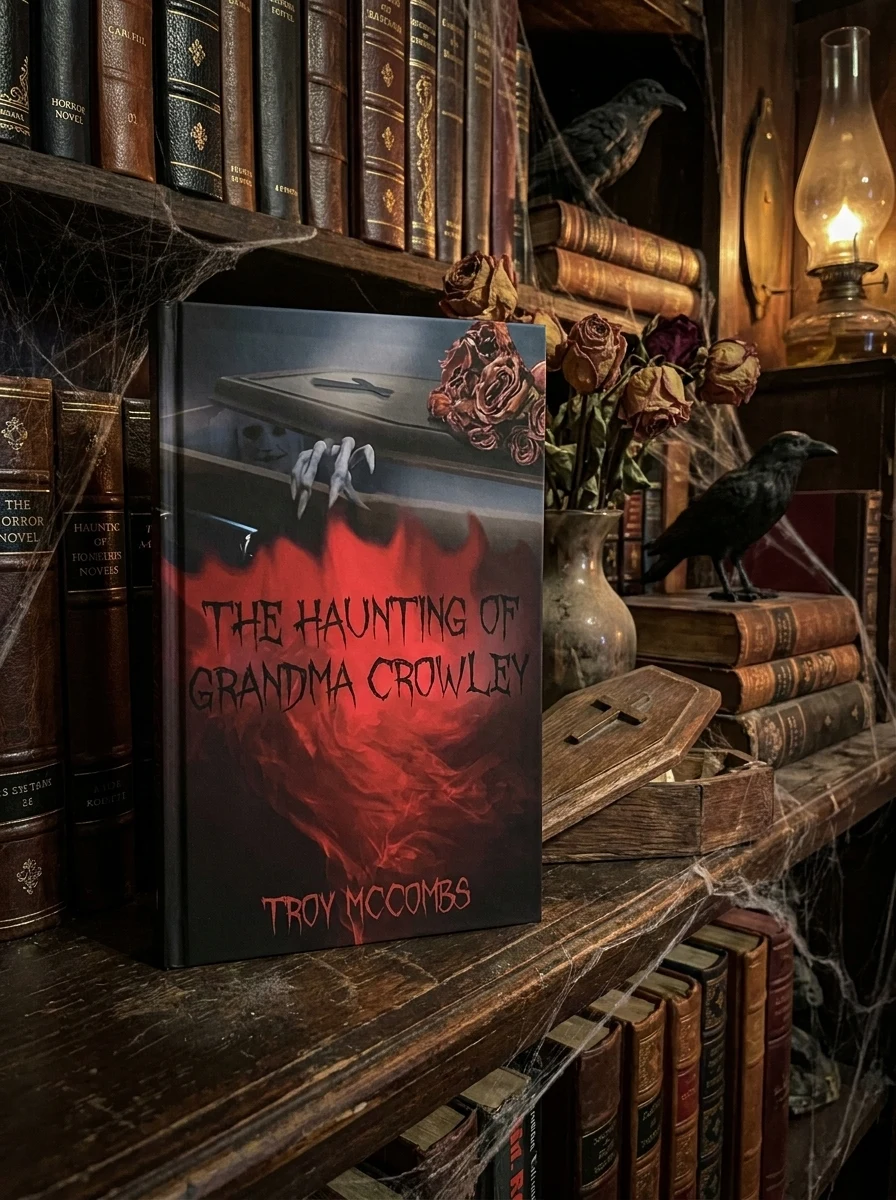


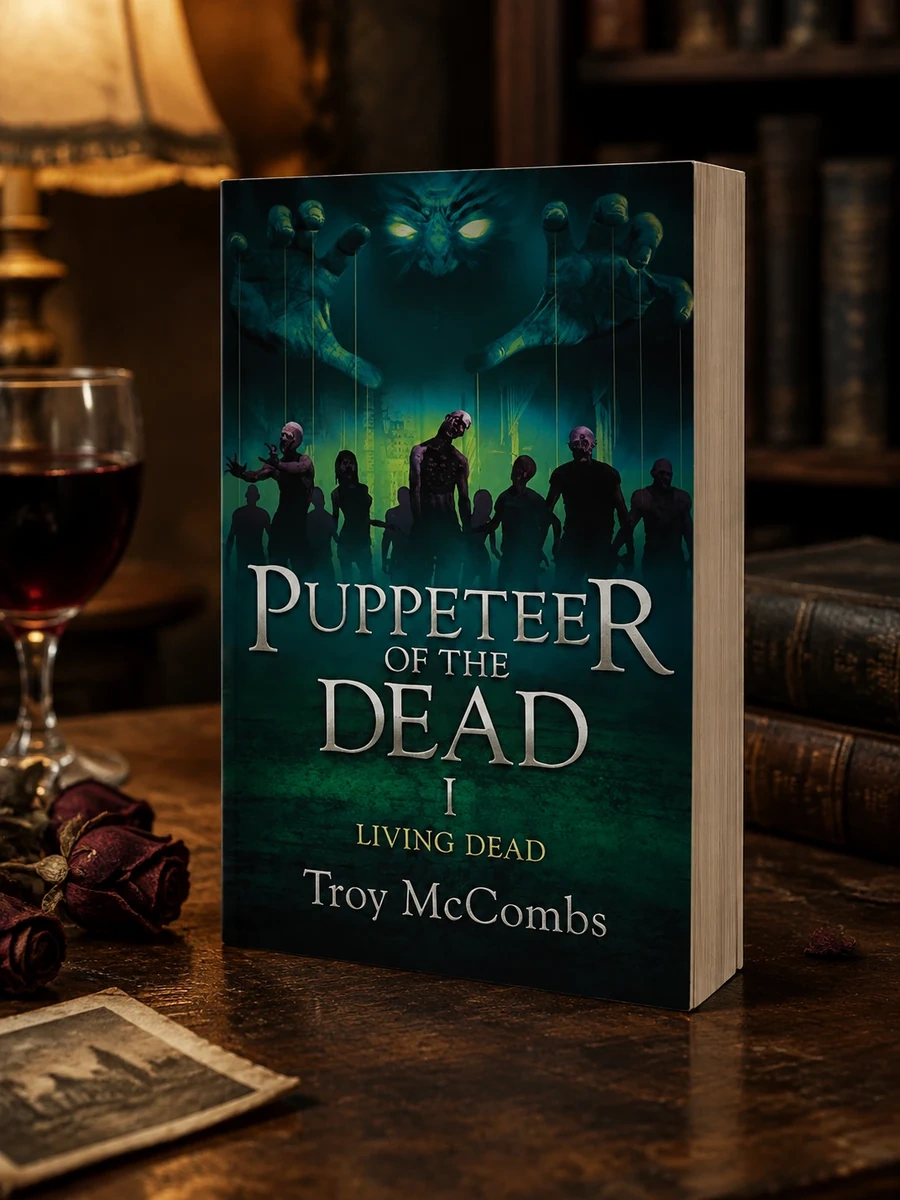
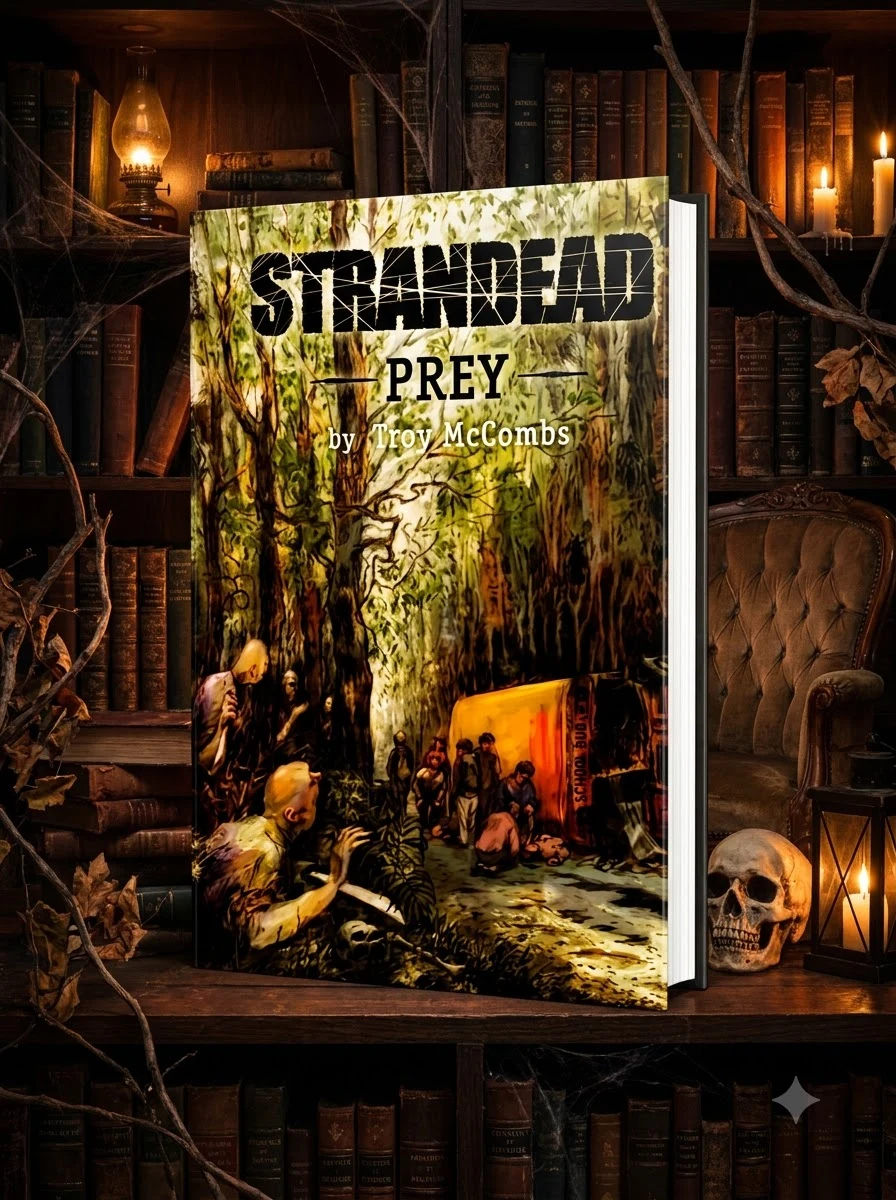

🏛 Books from this publisher Createspace Independent Publishing Platform






You might also like
See more →



Have a question about this item?
Ask about the edition, condition, delivery or anything else — we reply by email or phone, usually within a day.
