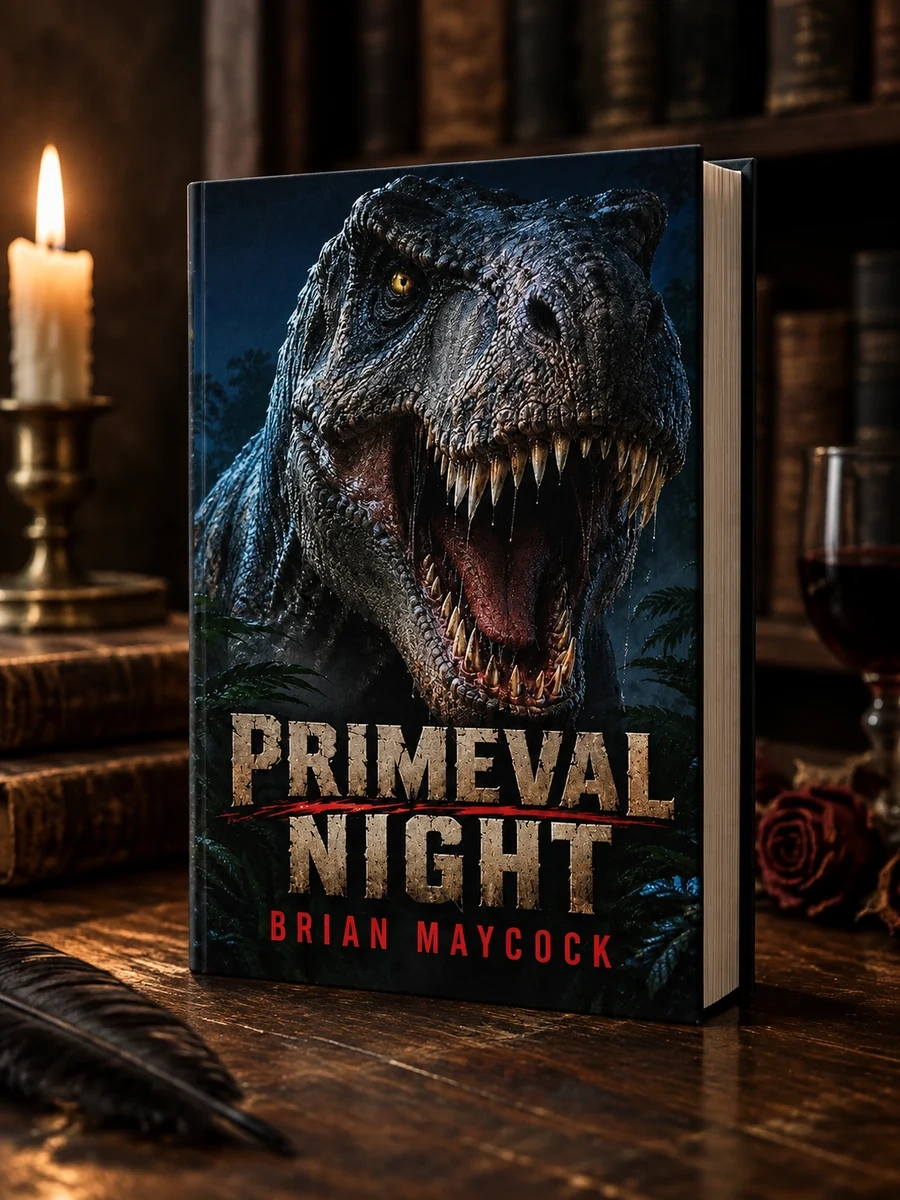
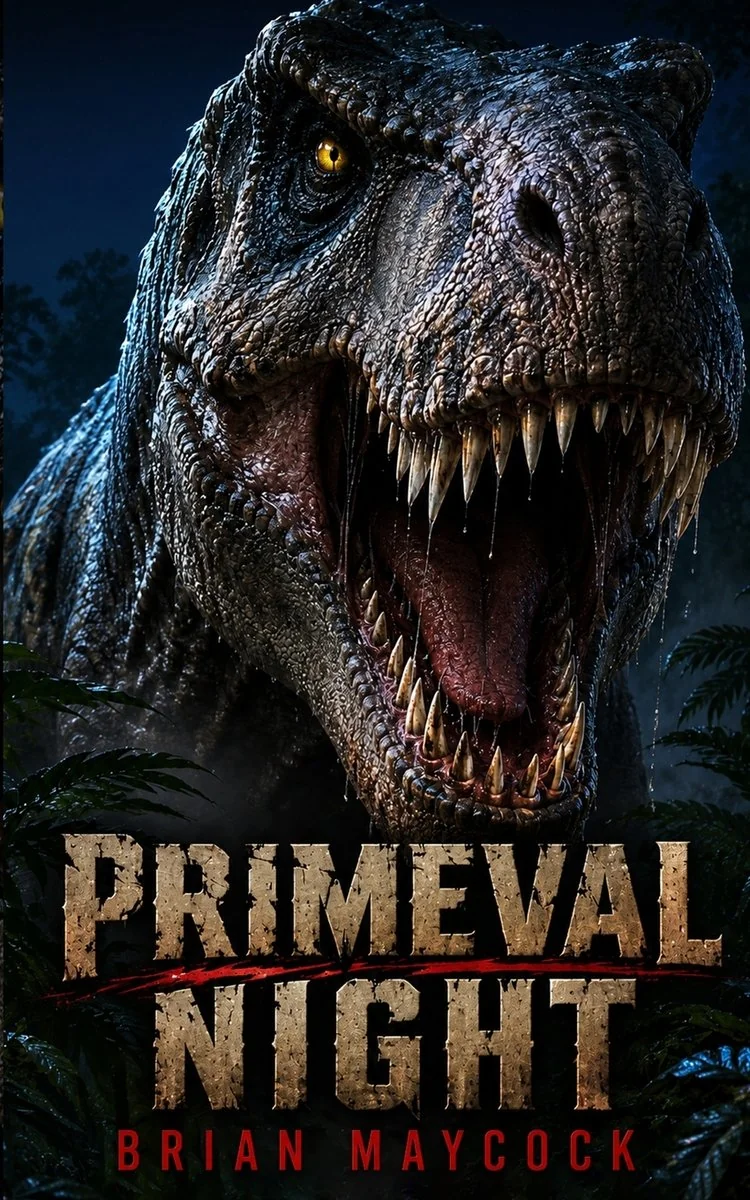
Primeval Night: A Prehistoric Thriller
A paleontologist hunts fossils while dinosaurs hunt him in Antarctic caves.
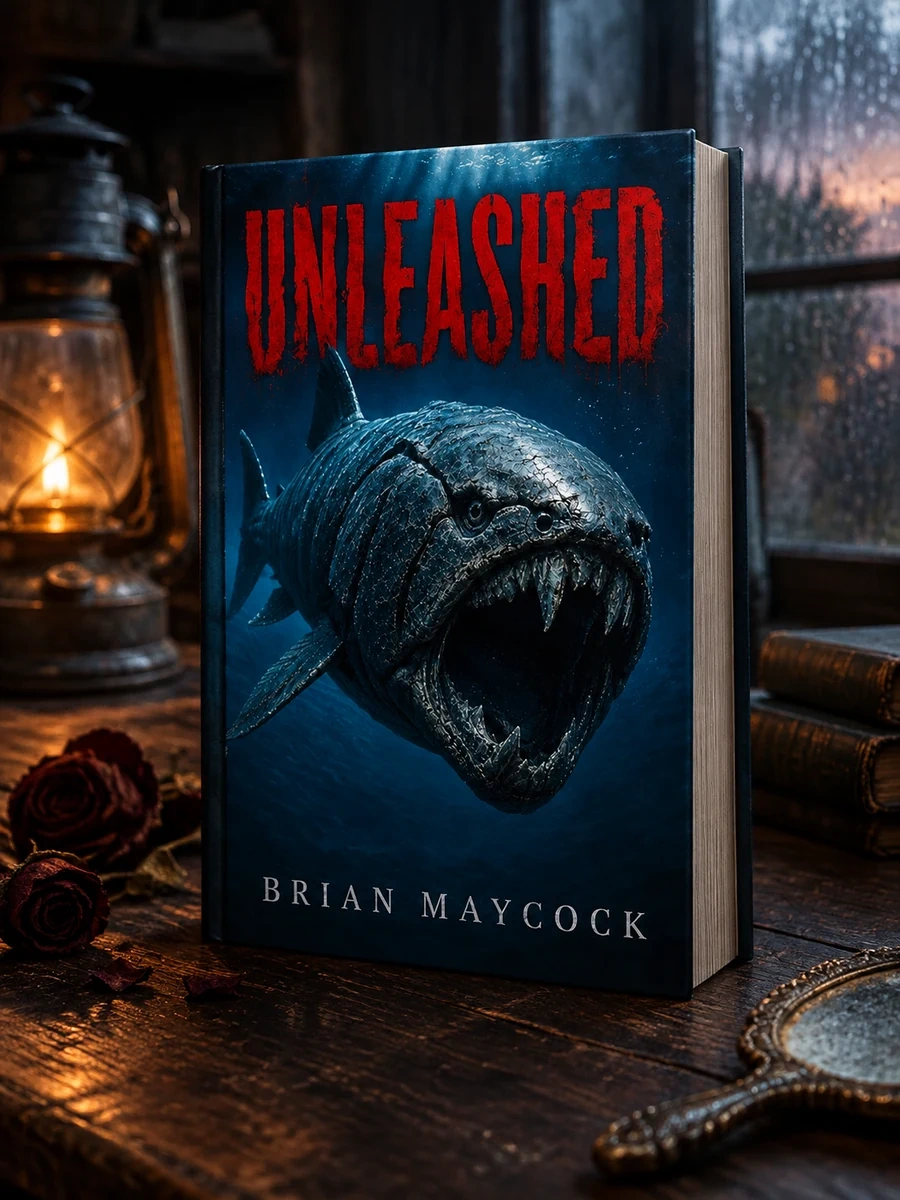
This novel follows Nic Taylor, a disgraced scientist seeking redemption through fossil discovery. He travels to Antarctica with miners illegally extracting diamonds. Their path leads them deep underground near an active volcano. There they find a hidden ecosystem where dinosaurs still exist. The expedition members become targets for these ancient beasts. The story emphasizes the horror of being hunted in a confined space. Maycock focuses on the physical and mental toll of this encounter. The narrative avoids scientific exposition in favor of immediate danger. The plot centers on survival against overwhelming odds. The setting provides a unique backdrop for classic monster tropes.
This work sits within the subgenre of prehistoric thrillers, combining elements of gothic horror with scientific adventure. It references the tradition of lost world narratives and the fear of the unknown in extreme environments like Antarctica.


📝 Description: Primeval Night: A Prehistoric Thriller
💎 Our verdict on Primeval Night: A Prehistoric Thriller
📖 Why choose it
Why this book is worth reading
Readers who crave immediate, visceral danger will find this novel highly engaging. It offers a fast-paced survival narrative where the tension stems from claustrophobia and primal fear rather than complex psychological maneuvering. Fans of action-packed adventures mixed with elements of the uncanny will appreciate the shift from hunter to prey dynamics. The book suits those who enjoy seeing modern characters confront overwhelming, ancient odds in confined spaces. It is ideal for audiences seeking a straightforward thriller that prioritizes physical peril and atmospheric dread over slow-burning literary exploration or strict historical accuracy. The unique Antarctic setting provides a fresh backdrop for timeless monster tropes, making it a compelling choice for genre enthusiasts.
⭐ Reader reviews
Reader rating
Primeval Night effectively utilizes its isolated Antarctic setting to amplify the horror of being hunted. Maycock succeeds in creating a claustrophobic atmosphere within vast underground caverns, focusing on the psychological strain of facing extinct creatures. The narrative avoids heavy scientific exposition, preferring immediate danger and survival instincts. This approach makes the story accessible and thrilling for action-oriented readers. However, those seeking slow-burning literary fiction or strictly historical accounts may find it lacking in depth. The book excels in blending gothic horror with prehistoric adventure, offering a tense, relentless pace. It is best suited for fans of classic monster tales who value atmospheric dread and high-stakes survival scenarios over complex character development.