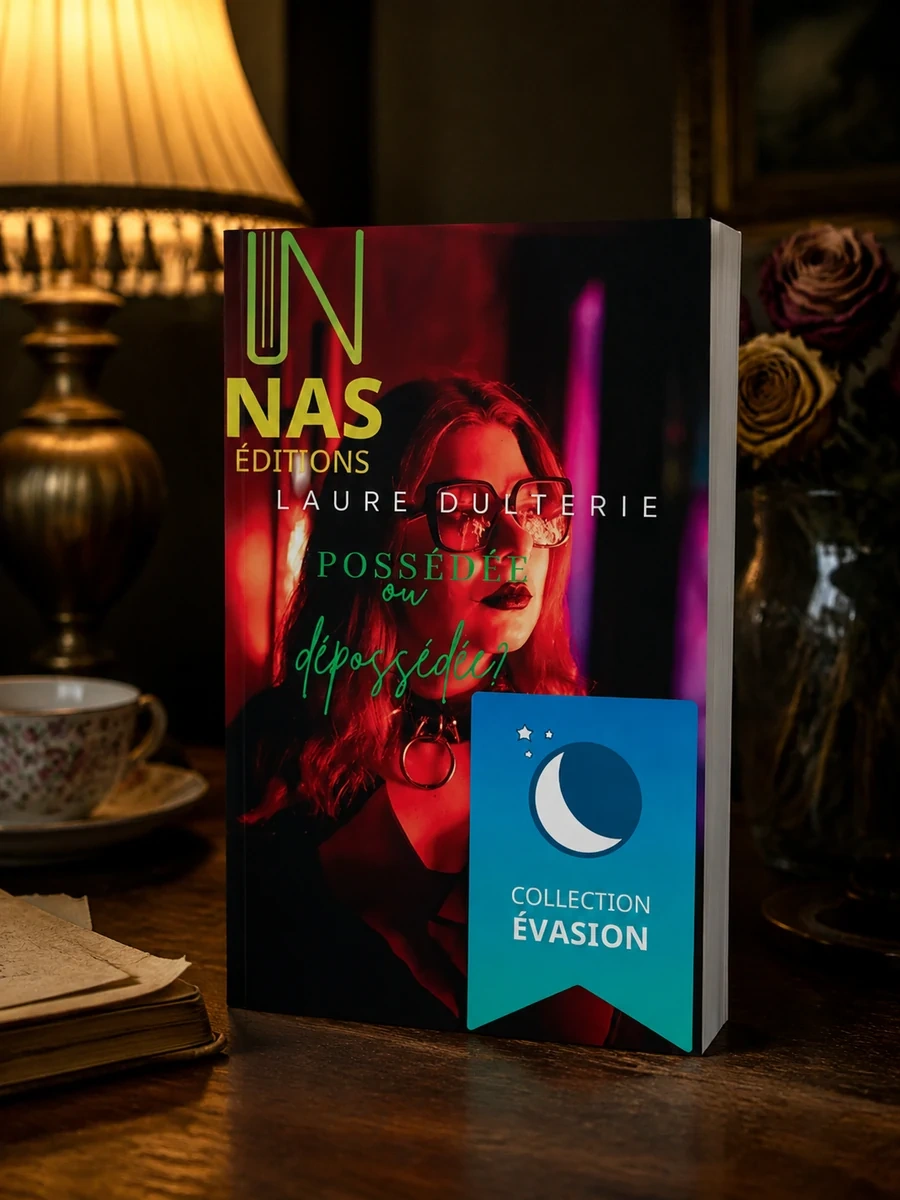

Possedee ou depossedee?
A study of a woman's lifelong struggle against maternal possession.
The narrative focuses on Danielle, who suffered from her mother's possession starting in infancy. This affliction caused endless repetitions of failure in her life until she was delivered at age thirty-seven. The text uses her story to illustrate the idea that forgetting one’s past forces a reliving of it. Dulteri examines the long-term psychological impact of such a supernatural bond, contrasting the chaos of her youth with the stability found only after her deliverance.
Published by NAS Editions in May 2024, this work engages with French literary traditions regarding possession and the supernatural. It fits within the broader genre of gothic fiction that examines how past sins or curses influence present reality, specifically through the lens of familial bonds and inherited suffering.


📝 Description: Possedee ou depossedee?
💎 Our verdict on Possedee ou depossedee?
📖 Why choose it
Why this book is worth reading
Readers seeking character-driven supernatural tales will find this narrative compelling, particularly those interested in deep studies of familial control and the psychological impact of inherited trauma. The book appeals to those who prefer internal exploration over external action, offering a philosophical examination of memory and identity through Danielle’s specific history. It is ideal for audiences who enjoy slow-burn narratives that prioritize the long-term effects of supernatural bonds on an individual’s psyche. By focusing on the contrast between chaotic youth and eventual stability, it provides a unique case study on how forgetting one's past forces its reliving, making it a thoughtful choice for introspective horror fans.
⭐ Reader reviews
Reader rating
Dulterie structures this account around Danielle’s timeline of suffering, highlighting the stark contrast between her chaotic early life and her later peace. The narrative relies on the premise that ignoring the past condemns one to relive it, using personal history as a broader philosophical case study. It excels in its tight focus on the internal experience of possession, avoiding traditional horror tropes involving external monsters. This approach suits readers interested in psychological depth rather than fast-paced action. The work effectively illustrates the long-term effects of such an event on identity, offering a measured and reflective exploration of deliverance and stability after decades of control.
You might also like
See more →







Have a question about this item?
Ask about the edition, condition, delivery or anything else — we reply by email or phone, usually within a day.
