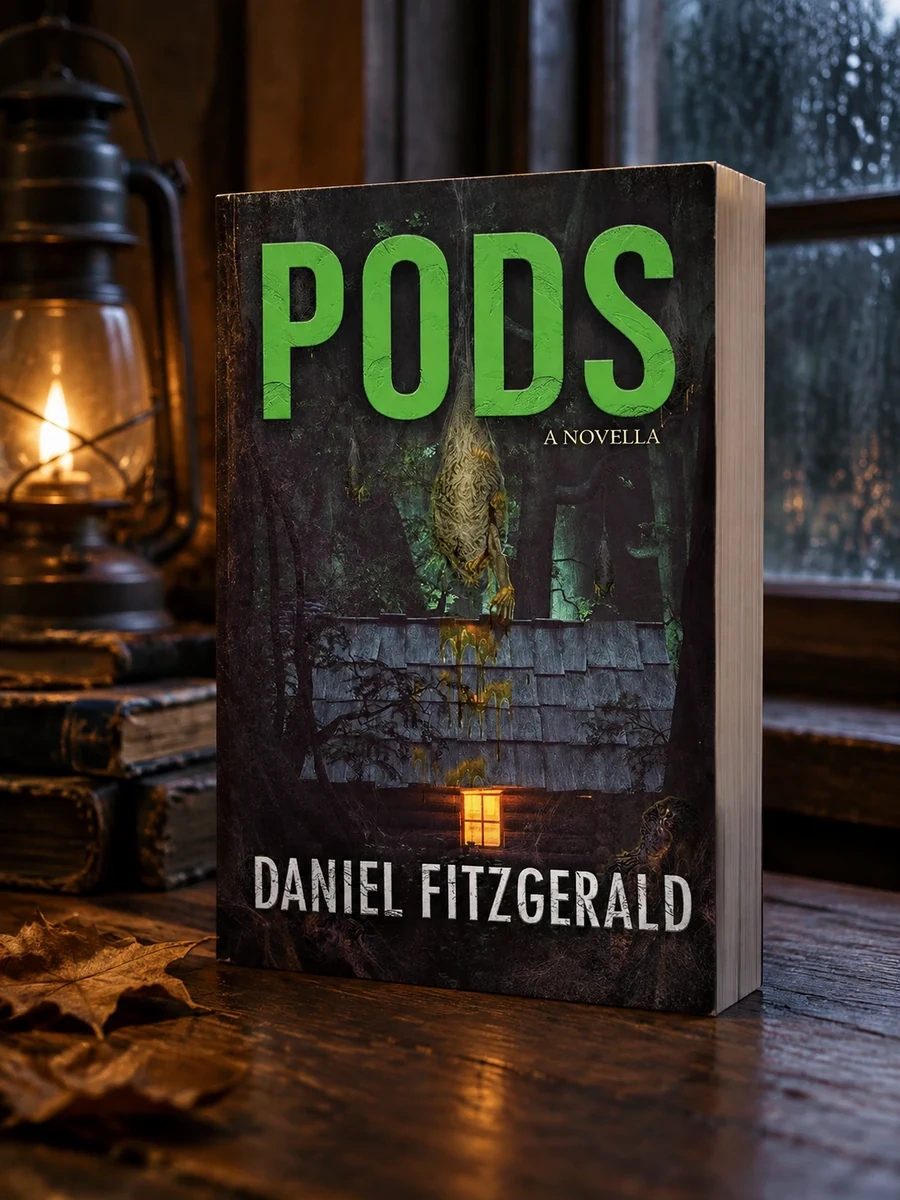
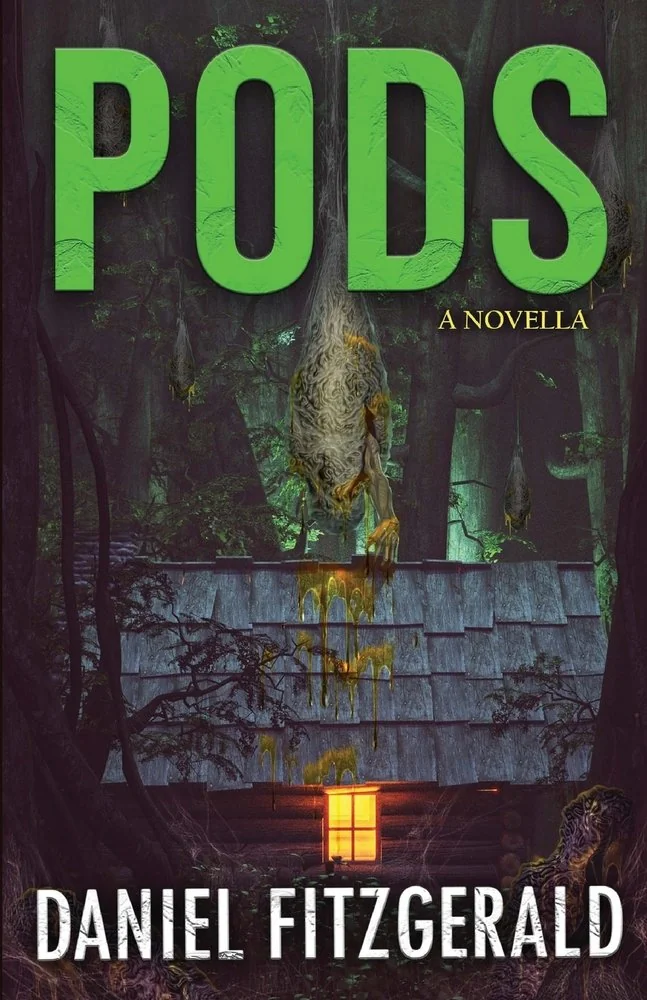
Pods
A parasitic fungus jumps from ants to humans in this cabin horror novel.
Fitzgerald explores the terrifying consequences of a species jump in his latest release. The narrative centers on college students whose spring break turns into a fight for life. A fungal infection takes control of their minds, directing their actions until death. This plot device allows the author to examine the loss of autonomy and the terror of being controlled by an external force. The story does not rely on supernatural ghosts but on biological horror. It appeals to fans of creature features and isolation thrillers. The pacing builds as the characters realize the true nature of their enemy.
Published by Miyagi Publishing in 2022, this work fits into the contemporary horror genre. It targets readers interested in supernatural fiction and body horror. The setting of a secluded cabin during spring break provides a classic backdrop for isolation-based terror common in modern American horror literature.


📝 Description: Pods
💎 Our verdict on Pods
📖 Why choose it
Why this book is worth reading
Readers who crave visceral fear and the breakdown of social order under extreme duress will find this narrative compelling. It appeals specifically to fans of isolation thrillers and creature features who enjoy tales where natural boundaries are breached. The book offers a tense examination of what happens when control is lost, making it ideal for those interested in biological horror over supernatural elements. Those seeking historical analysis or non-fiction accounts may find the fictional premise less appealing, but enthusiasts of parasitic threats will engage with the story's exploration of humanity's fragility. It provides a gripping look at the struggle for survival against an enemy operating from within.
⭐ Reader reviews
Reader rating
Fitzgerald effectively harnesses the tension of cabin horror by focusing on a biological nightmare rather than ghosts. The narrative excels in depicting the terror of losing autonomy, as characters face an enemy that hijacks their minds before destroying their bodies. By drawing on body horror traditions, the author creates a palpable sense of dread rooted in scientific plausibility. The pacing builds steadily as the students realize the true nature of their threat. This approach suits readers who prefer wits and grit against invisible dangers over supernatural lore. It is a solid entry for those enjoying isolation scenarios where the horror stems from within the body.
You might also like
See more →







Have a question about this item?
Ask about the edition, condition, delivery or anything else — we reply by email or phone, usually within a day.
