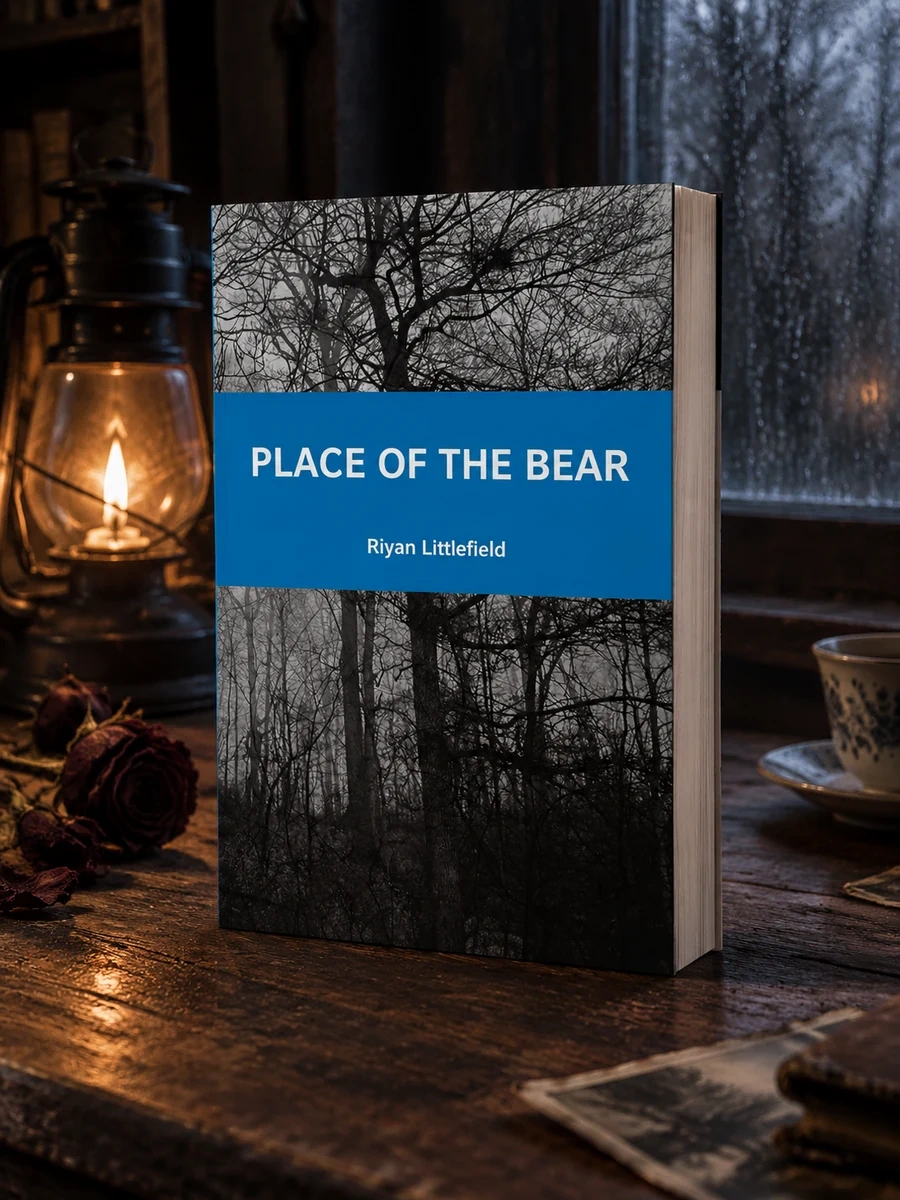
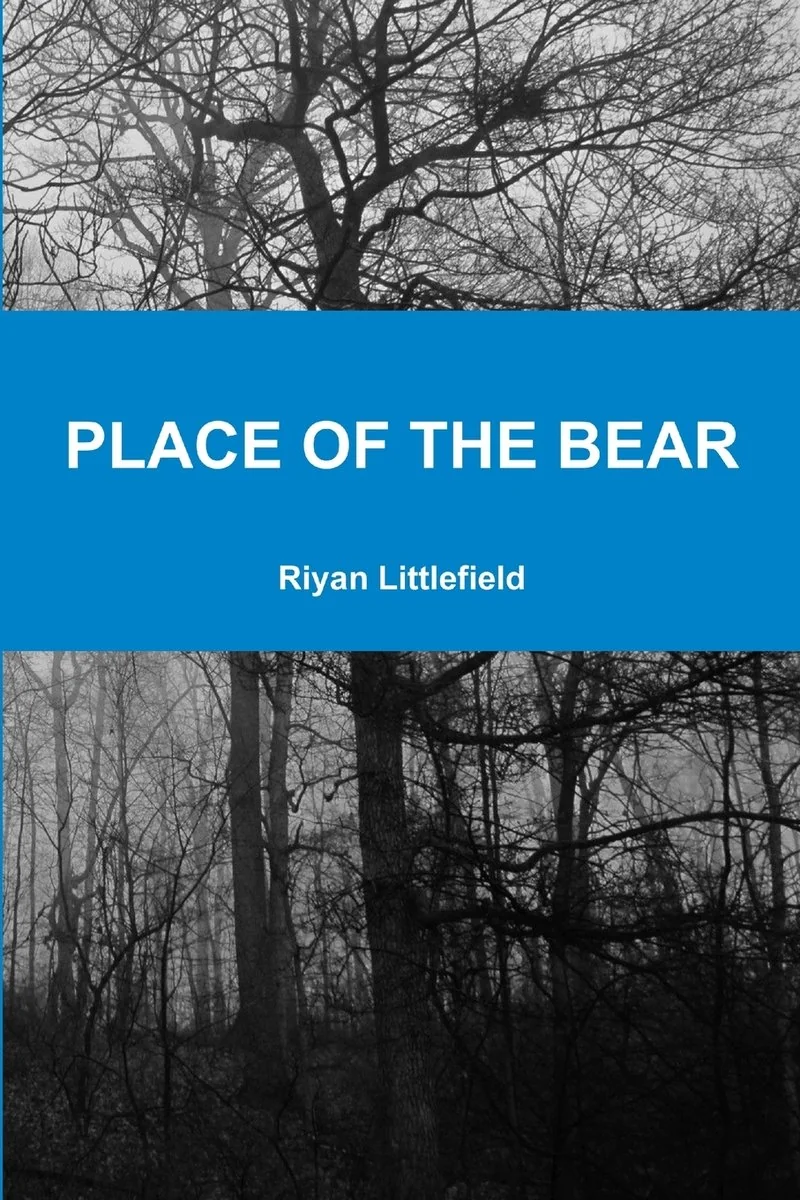
Place of the Bear
A college student investigates a real paranormal threat in rural Wisconsin.
The narrative follows Shaun Dyers, a typical university student with an atypical interest in ghost hunting. He joins friends to investigate a local legend in a small Wisconsin town. Their research uncovers a creature that operates on a strict annual cycle. The group realizes the folklore is a warning of actual danger. They have only one year to solve the mystery before the entity strikes again. The plot centers on their race against time to understand the threat. Littlefield uses the setting of rural America to ground the supernatural elements. The story explores how modern students interact with ancient or hidden dangers. It questions the safety of treating folklore as mere entertainment. The characters must rely on their findings to survive the upcoming anniversary.
This work sits within the tradition of American college horror and rural supernatural fiction. It draws on local legend tropes common in Midwestern storytelling. The 2016 publication reflects contemporary interest in digital age ghost hunting among students.


📝 Description: Place of the Bear
💎 Our verdict on Place of the Bear
📖 Why choose it
Why this book is worth reading
Readers who enjoy the intersection of academic inquiry and supernatural terror will find this narrative compelling. It appeals to those fascinated by the concept of folklore as a literal warning rather than mere entertainment. The ticking-clock structure provides urgent pacing for fans of time-sensitive horror. Those interested in how modern characters interact with hidden dangers in everyday settings will appreciate the grounded approach. It offers a straightforward exploration of the physical risks inherent in paranormal research, making it suitable for audiences seeking accessible yet tense supernatural fiction without complex literary obfuscation.
⭐ Reader reviews
Reader rating
Littlefield effectively grounds cosmic dread in the mundane reality of rural Wisconsin, creating a palpable sense of isolation. The premise of a creature operating on a strict annual cycle provides a unique structural tension that drives the plot forward with purpose. The narrative succeeds in blurring the line between myth and physical danger, forcing protagonists to treat folklore as life-or-death intelligence. This approach suits readers who prefer clear stakes over ambiguous psychological horror. While it lacks the atmospheric density of traditional gothic works, its modern setting offers a fresh perspective on how young adults confront ancient threats.