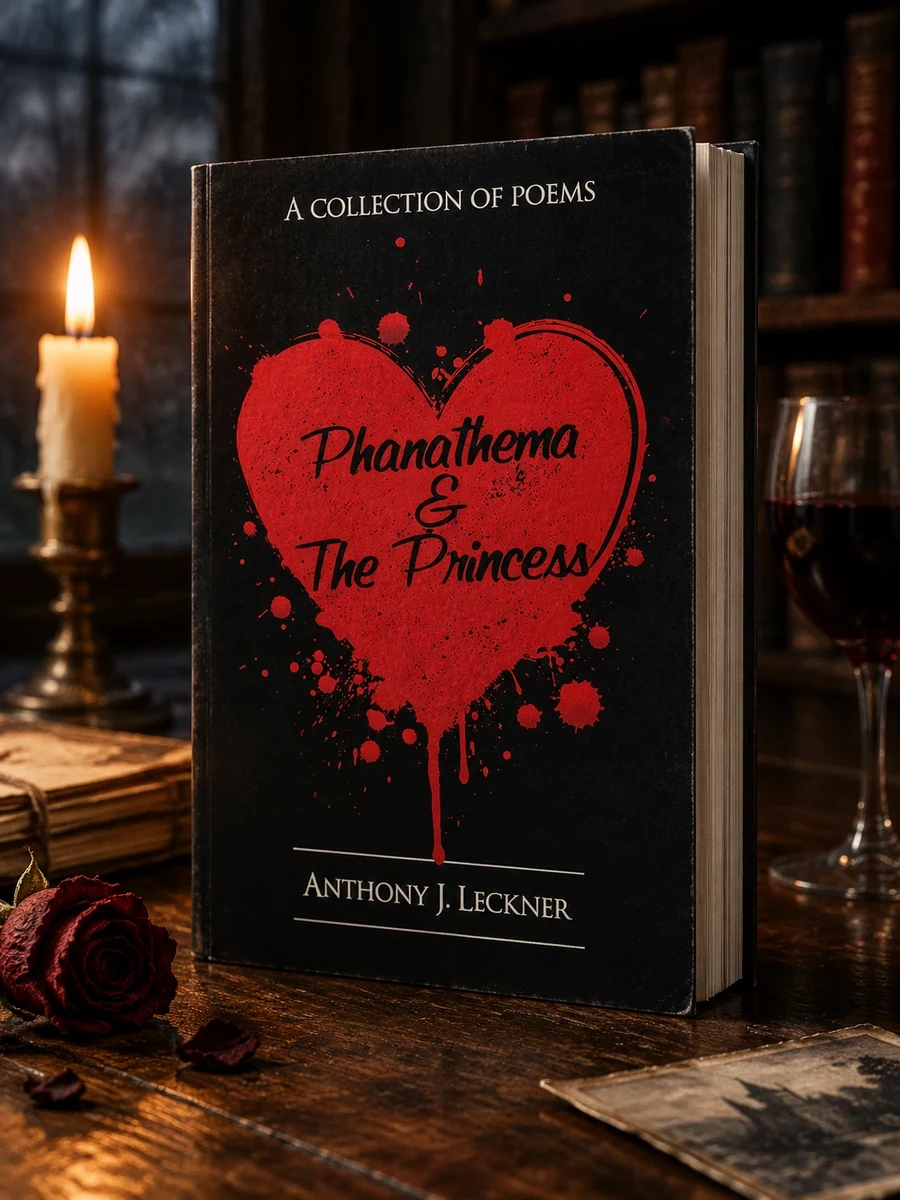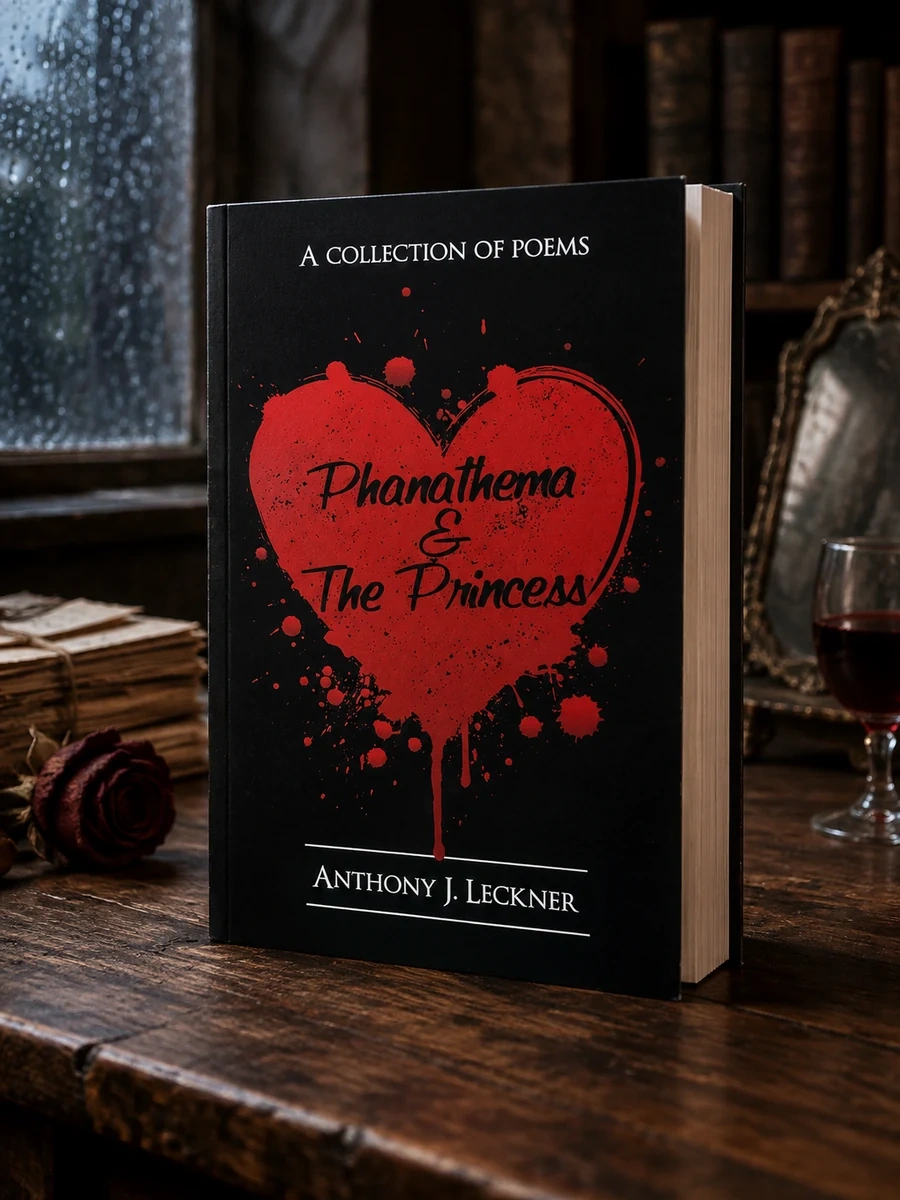
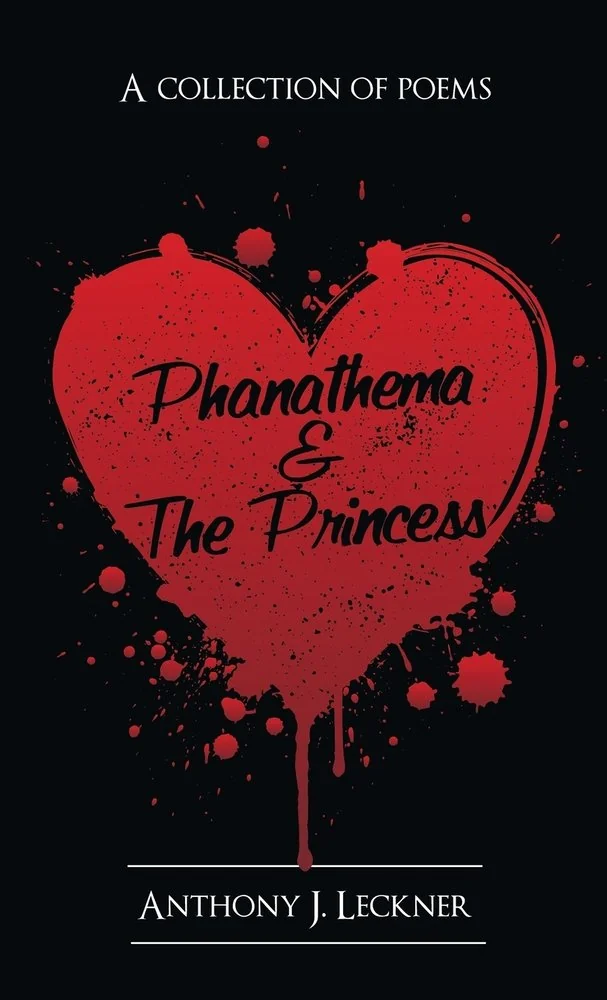
Phanathema & the Princess: A Collection of Poems
A two-part poetry collection tracing Leckner's journey from addiction to recovery.
Leckner structures this volume around a seven-year gap in his writing career. Part one captures the anguish of abuse and addiction. Part two reflects a healthier state, inspired by a significant figure in his life. The juxtaposition highlights his personal transformation. Readers can observe how his voice shifts from dark to sweet. This approach offers a clear view of his recovery process through verse.
Published by Balboa Press in 2023, this work sits within the contemporary American poetry tradition. It draws on personal narrative to explore themes of mental health and artistic renewal. The collection reflects a modern approach to processing trauma through structured verse.


📝 Description: Phanathema & the Princess: A Collection of Poems
💎 Our verdict on Phanathema & the Princess: A Collection of Poems
📖 Why choose it
Why this book is worth reading
Readers interested in the intersection of personal healing and literary expression will find this collection compelling. It offers a unique window into the author's journey from the darkness of addiction and abuse to the light of recovery. Those who appreciate how trauma can be transmuted into art will value the stark contrast between the two sections. The book serves as a testament to resilience, showing how a significant life change can reshape one's voice. It is ideal for individuals seeking inspiration through raw honesty rather than abstract theory. The shift from melancholy to sweetness provides a hopeful narrative arc that resonates with anyone navigating their own path toward wellness and self-discovery.
⭐ Reader reviews
Reader rating
Leckner’s volume effectively juxtaposes two distinct phases of his life, creating a powerful narrative of survival. The first section delivers an unflinching look at pain and addiction, while the second reveals a tender, restored perspective. This structural choice allows readers to witness the tangible impact of recovery on artistic voice. The transition from dark anguish to sweet reflection is handled with clarity and emotional depth. It suits those who prefer autobiographical poetry over abstract verse. The inclusion of Emerson’s quote frames the work with optimism, suggesting that beauty can emerge from darkness. Overall, it is a poignant exploration of growth, offering both catharsis for the author and inspiration for the reader seeking hope in difficult times.