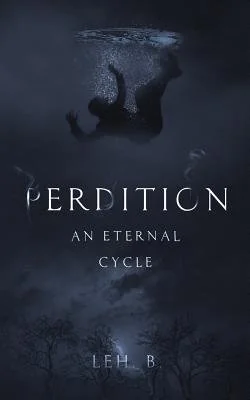
Perdition: An Eternal Cycle
A nameless man faces an ambiguous supernatural threat in a distorted world.
The narrative focuses on internal terror rather than external monsters. Leh uses minimal exposition to force the reader into the protagonist’s perspective. The trailing shadow acts as both obstacle and potential guide, creating moral ambiguity. This structure emphasizes psychological fragmentation over plot resolution. The story reflects modern independent horror trends that prioritize atmosphere. Readers interested in character-driven dread will find value here. Those preferring detailed world-building may feel lost.
Published independently in 2019, this work sits within the contemporary American horror market. It reflects a trend toward psychological and supernatural fiction that avoids traditional publishing constraints. The style aligns with modern gothic literature’s focus on internal dread.


📝 Description: Perdition: An Eternal Cycle
💎 Our verdict on Perdition: An Eternal Cycle
📖 Why choose it
Why this book is worth reading
Readers who enjoy slow-burn psychological terror and abstract horror scenarios will find significant value in this narrative. The book suits those interested in character-driven dread, offering a deep dive into internal fear rather than external monsters. Leh uses minimal exposition to force the reader into the protagonist’s perspective, creating an immersive experience of disorientation. The trailing shadow acts as both obstacle and potential guide, generating moral ambiguity that engages thoughtful analysis. This approach rewards patience, allowing the atmosphere to build tension through isolation and sensory experience. Those preferring detailed world-building or clear villains may feel lost, but fans of undefined threats will appreciate the persistent unease and the invitation to question reality alongside the nameless man.
⭐ Reader reviews
Reader rating
Leh presents a compelling study in psychological horror, centering on an unnamed protagonist awakening in darkness with no memory. The narrative effectively utilizes minimal exposition to immerse the reader in the character’s disorientation within a distorted world. By focusing on internal terror rather than external monsters, the book creates a unique tension between isolation and the ambiguous presence of a trailing shadow. This structure emphasizes psychological fragmentation over plot resolution, drawing on gothic traditions of existential dread. The story succeeds in building atmosphere through mood rather than exposition, grounding the tale in immediate sensory experience. It is best suited for readers who appreciate abstract horror scenarios and are willing to embrace undefined threats without seeking clear explanations or action-driven plots.
📖 Read on the blog
🏛 Books from this publisher Independently Published








You might also like
See more →

Have a question about this item?
Ask about the edition, condition, delivery or anything else — we reply by email or phone, usually within a day.
