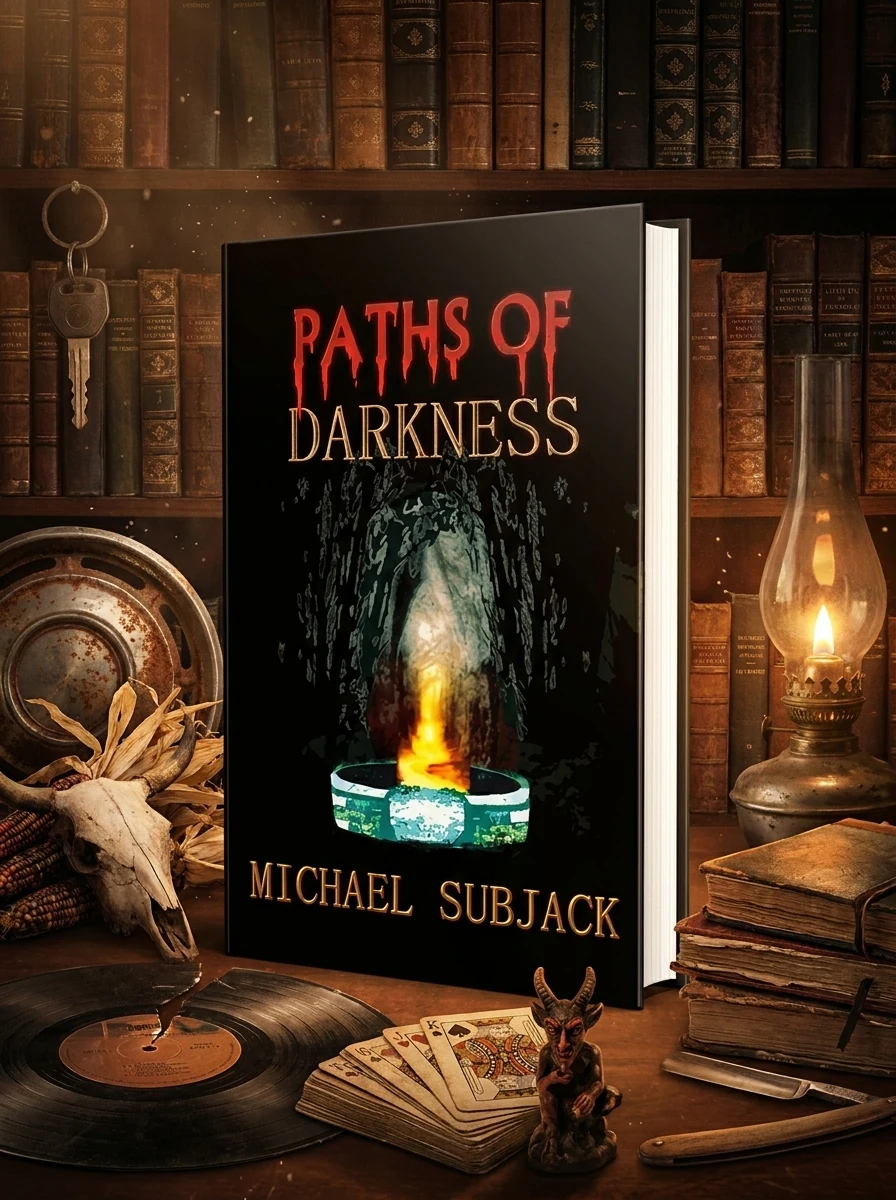
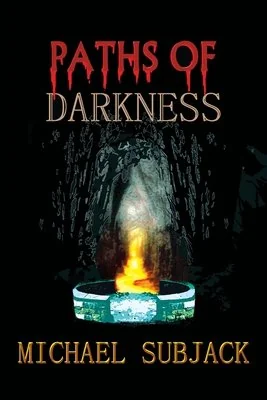
Paths of Darkness
A collection of thirteen dark tales by horror writer Michael Subjack.
This anthology examines the intersection of everyday life and supernatural intrusion. Subjack uses familiar settings like cars, farms, and homes to ground his terrifying scenarios. The stories do not rely on complex world-building but rather on immediate, visceral threats. Each tale stands alone, yet they share a common tone of impending doom. The author demonstrates skill in shifting between different types of horror, from the biblical wrath of the Devil to the elusive nature of the Chupacabra. This variety keeps the reading experience dynamic. The collection does not offer resolution or comfort, instead leaving the reader with lingering unease about the unknown.
Published in 2019 by Mjames80, this collection sits within contemporary American horror fiction. It draws on established traditions of monster stories and gothic suspense. The work reflects modern anxieties through familiar tropes like the Chupacabra and demonic intervention.


📝 Description: Paths of Darkness
💎 Our verdict on Paths of Darkness
📖 Why choose it
Why this book is worth reading
Readers who appreciate short fiction that prioritizes immediate, visceral impact over complex world-building will find this anthology rewarding. It is ideal for those who enjoy diverse horror subgenres, ranging from biblical wrath and cryptid attacks to domestic suspense and psychological terror. The book suits audiences seeking a dynamic reading experience that shifts between automotive curses, rural legends, and inexplicable evil without offering resolution or comfort. Those who favor lingering unease about the unknown over lighthearted tales will discover a consistent tone of impending doom across these thirteen standalone narratives.
⭐ Reader reviews
Reader rating
Subjack demonstrates notable skill in grounding terrifying scenarios within familiar settings like cars, farms, and homes, creating an accessible yet unsettling atmosphere. The anthology’s strength lies in its variety, moving seamlessly from the elusive nature of the Chupacabra to the chaotic failures of the Devil himself. By avoiding complex lore in favor of immediate threats, the work maintains a dynamic pace that keeps the reader engaged. It is best suited for fans of short-form horror who enjoy demonology and domestic suspense. However, those seeking long-form epics or narrative resolution may find the collection’s refusal to offer comfort unsatisfying.