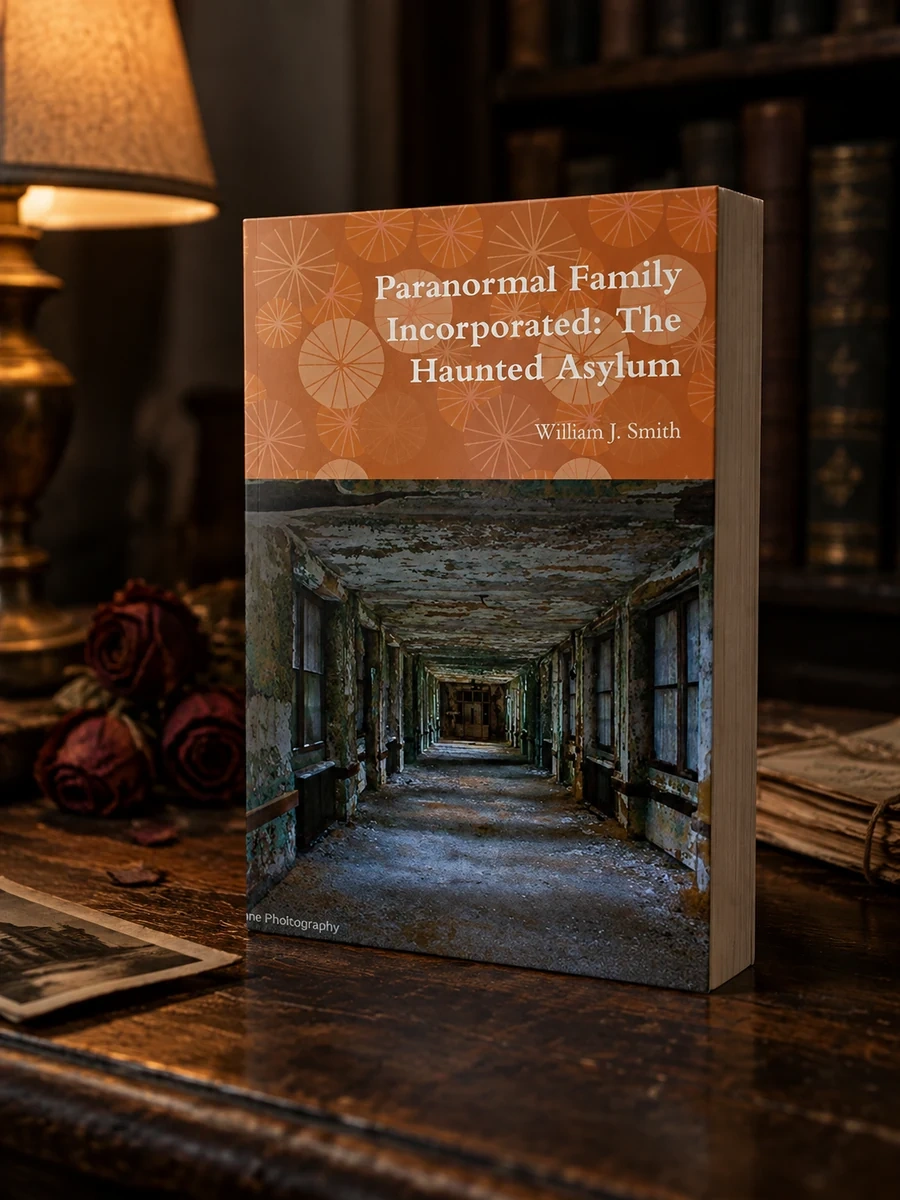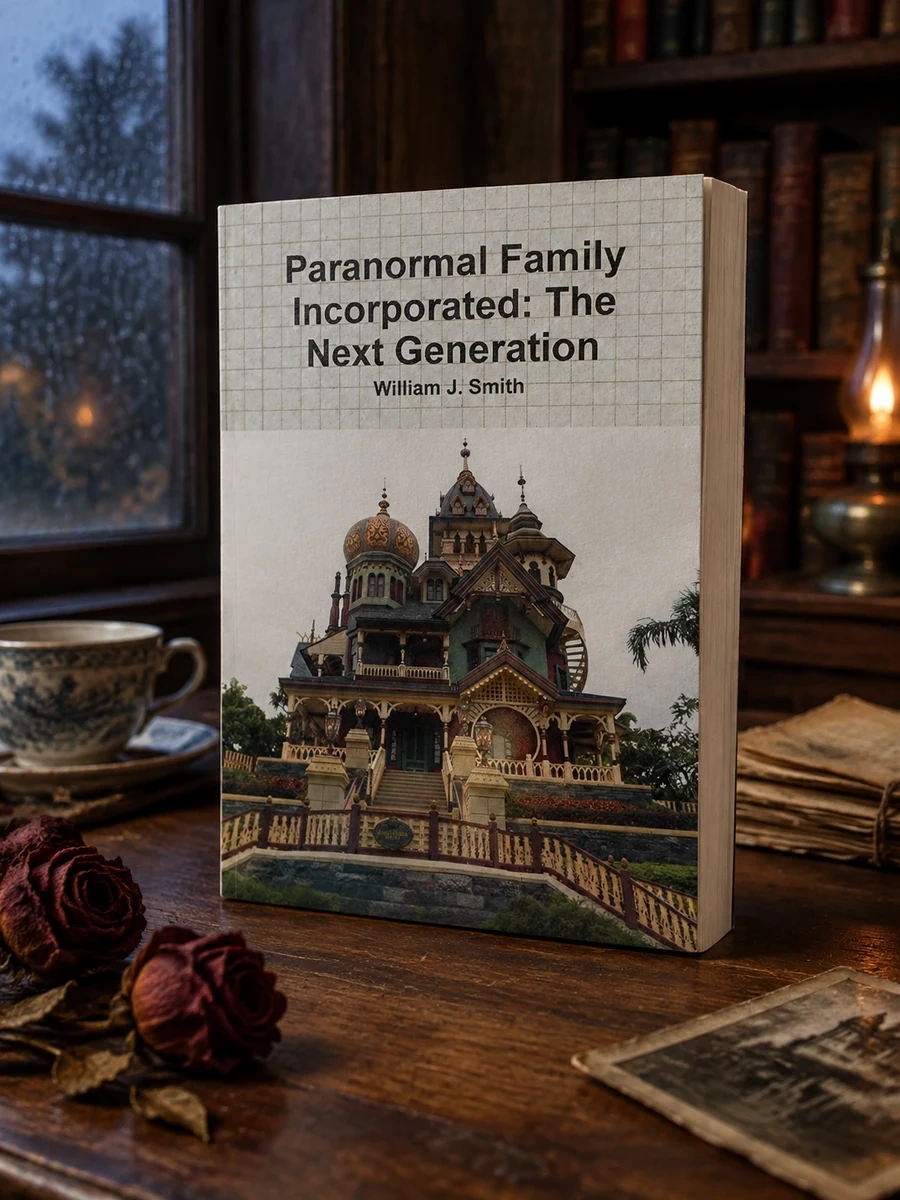

Paranormal Family Incorporated: The Next Generation
A family-run agency evolves as children join their parents in ghost hunting.
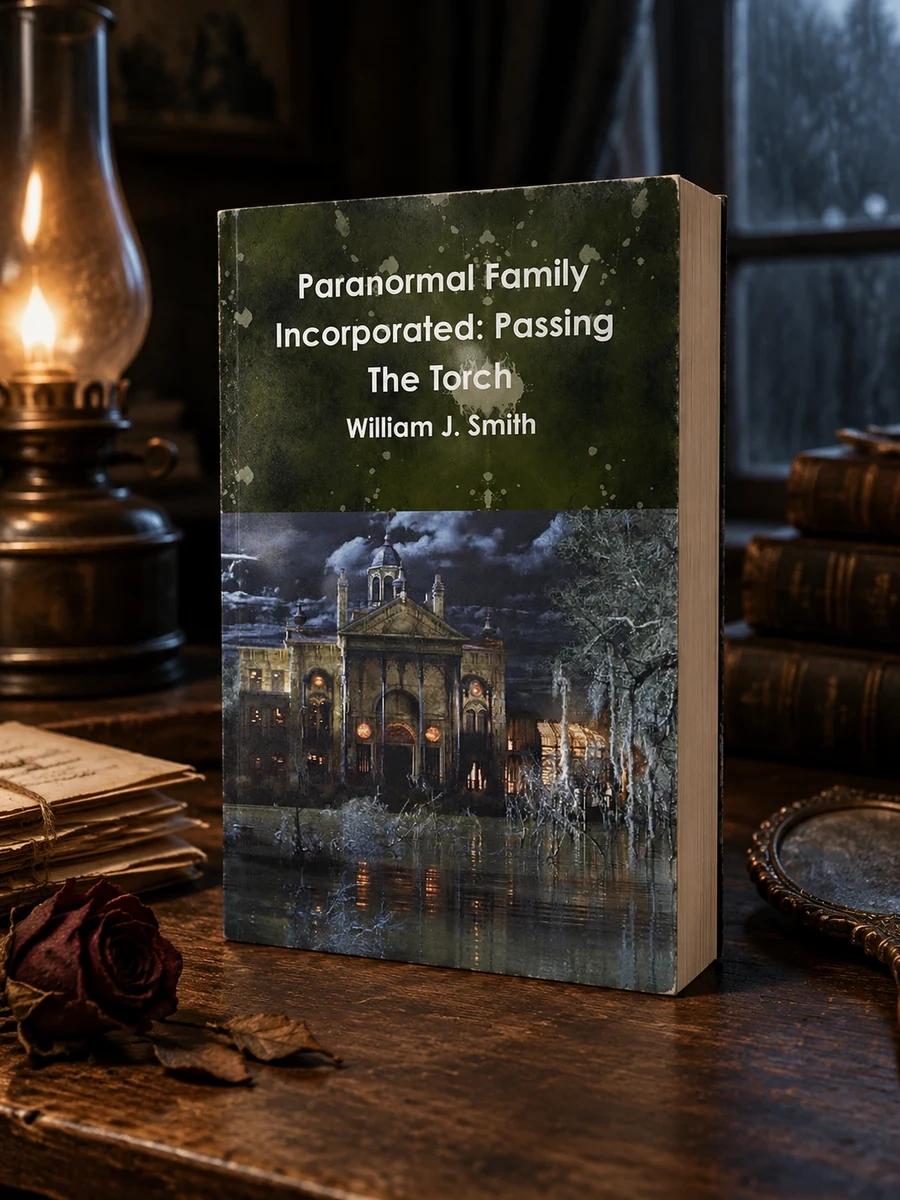
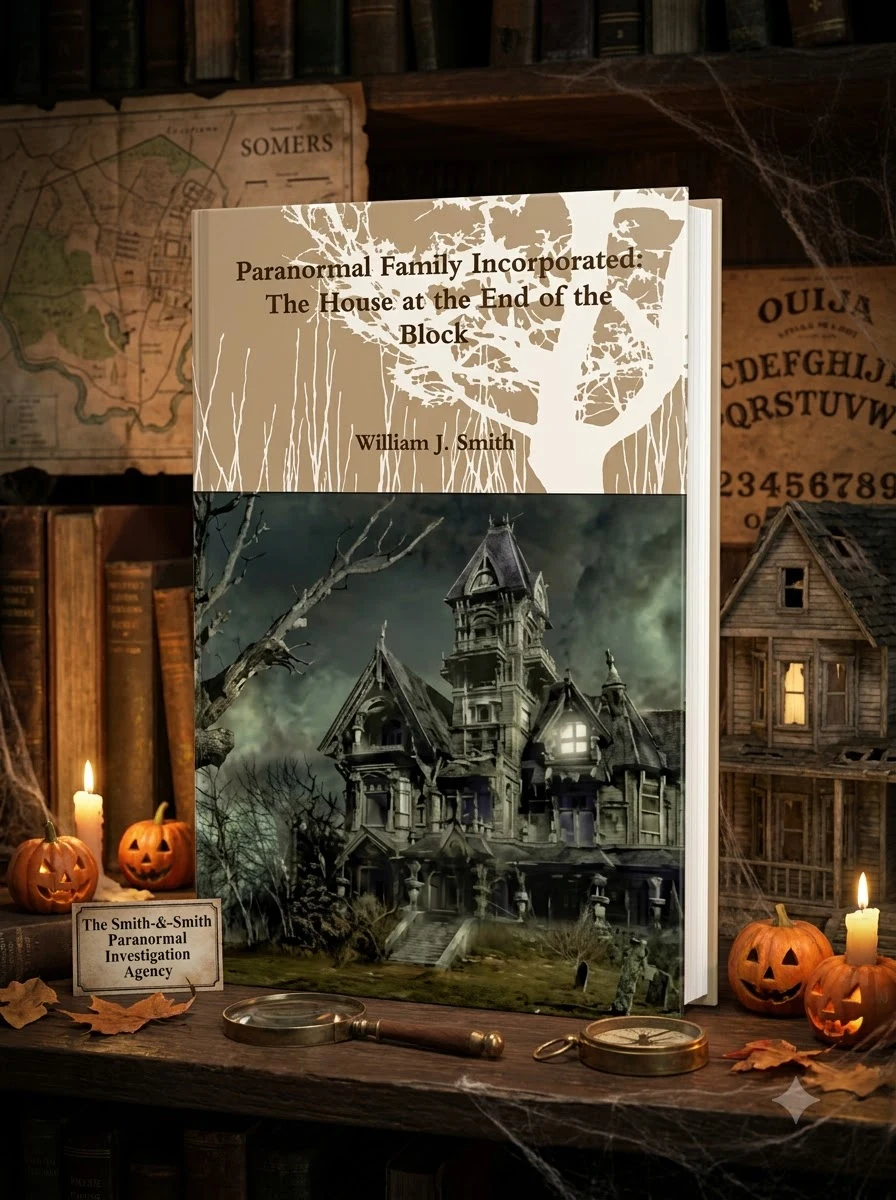
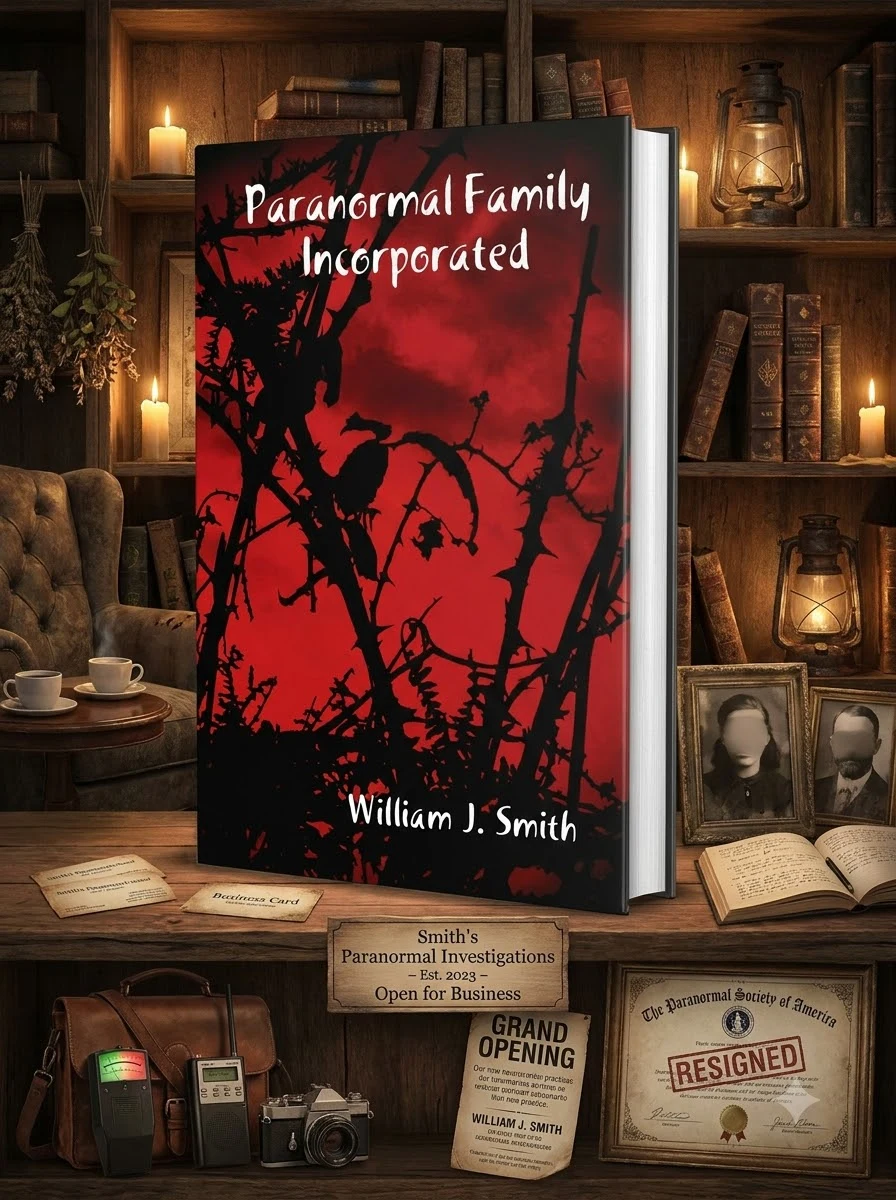
The narrative tracks the Smiths’ journey from hiring help for childcare to integrating their offspring into paranormal work. William, Erica, and their three kids form a unit that tackles ghost problems together. The text examines how the agency adapts when the youth stop being passive passengers and start assisting with investigations. This development marks a turning point for the business model, shifting it from a parental solo effort to a collaborative family operation. The story emphasizes the practicalities of this arrangement rather than abstract theories of the afterlife.
This 2016 publication by William J Smith reflects a niche interest in domestic supernatural fiction. It positions the Smith family within the broader genre of ghost hunting narratives, focusing on the unique angle of child involvement in professional spirit work rather than traditional adult-only investigator tropes.


📝 Description: Paranormal Family Incorporated: The Next Generation
💎 Our verdict on Paranormal Family Incorporated: The Next Generation
📖 Why choose it
Why this book is worth reading
Readers who enjoy family-centric supernatural fiction will find this narrative compelling. It offers a unique perspective on paranormal investigation by focusing on the logistical challenges of raising children in a dangerous environment. Those interested in how professional duties clash with domestic responsibilities will appreciate the realistic portrayal of a multi-generational team. The book is ideal for audiences seeking grounded horror that emphasizes practical solutions over abstract theories. It appeals to fans of ghost stories who want to see how familial bonds are tested and strengthened by supernatural encounters. The focus on the evolution from passive observation to active participation provides a fresh take on the genre.
⭐ Reader reviews
Reader rating
William J Smith delivers a grounded examination of a family-run paranormal agency. The narrative effectively shifts from parental solo efforts to a collaborative family operation as the children mature. This transition highlights the practicalities of balancing domestic life with ghostly encounters, offering a refreshing alternative to typical technical guides. The author succeeds in portraying the specific period when offspring begin contributing to operations, making the supernatural elements feel immediate and personal. The tone remains focused on logistical challenges rather than abstract afterlife theories. This approach suits readers who prefer narrative frames over historical treatises. The book provides a clear look at how familial bonds intersect with professional duties in the face of the unknown, creating a cohesive and engaging domestic horror experience.