Paradise Bay
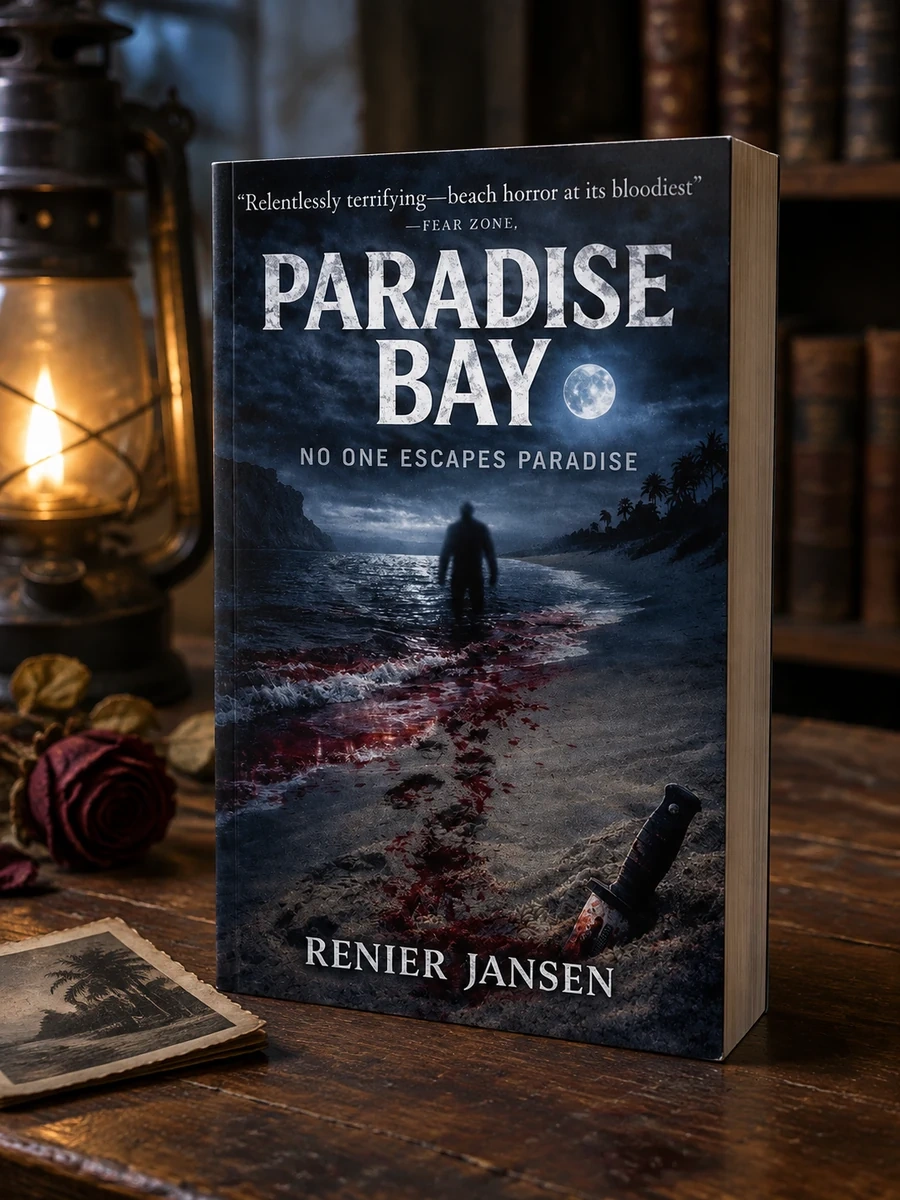
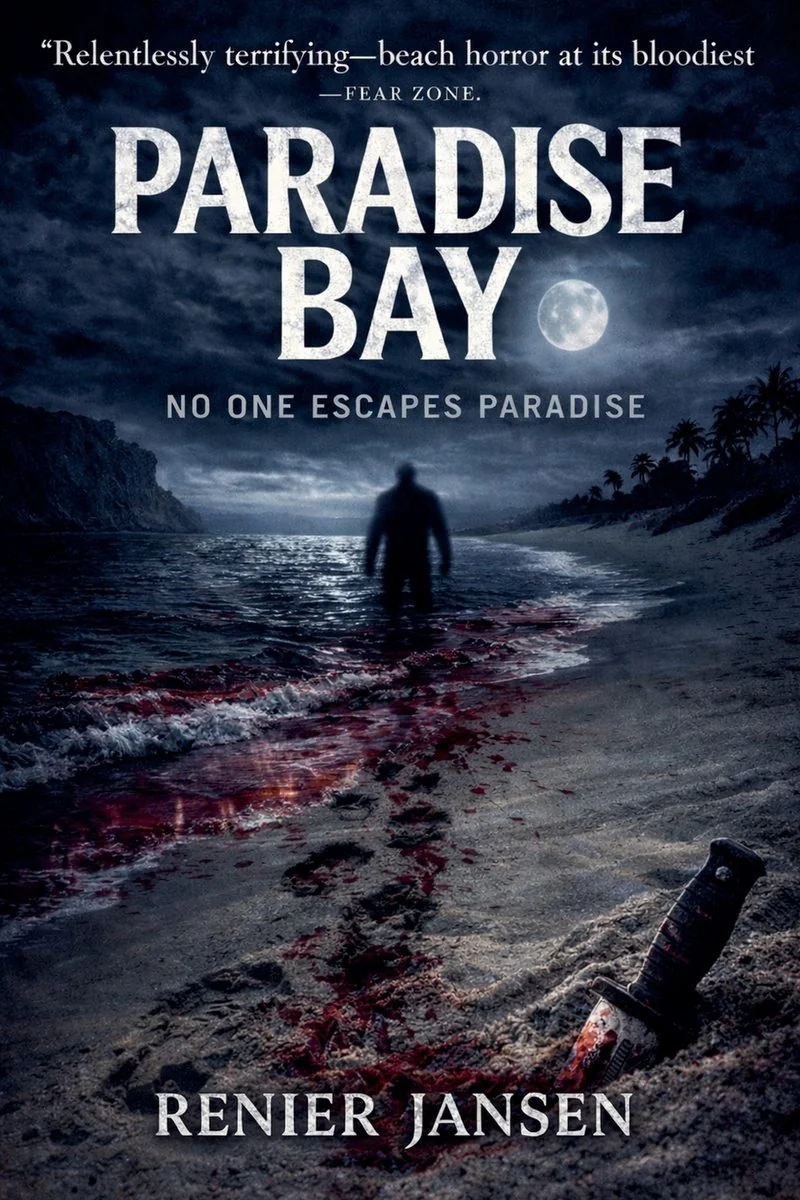
Six friends face a vengeful killer at isolated Nicola Bay after a past tragedy resurfaces.
The narrative follows six individuals whose vacation at Nicola Bay becomes a fight for survival. A killer targets them, driven by a grudge related to a drowning incident from three years ago. The situation worsens when their cars are sabotaged, leaving them stranded in the encroaching forest. As the body count rises, the friends realize the attacks are not random but calculated revenge. Grace uses this setup to explore themes of guilt and retribution within a confined setting.
This work fits into the contemporary American horror market, specifically the subgenre of psychological slashers and supernatural fiction. It draws on the tradition of friend-group narratives where isolation triggers conflict. The setting of an isolated bay provides a classic backdrop for modern terror stories that blend personal history with external threats.


📝 Description: Paradise Bay
💎 Our verdict on Paradise Bay
📖 Why choose it
Why this book is worth reading
Readers who thrive on high-tension survival scenarios and the unraveling of secret histories will find this narrative compelling. It appeals to those who enjoy psychological pressure as much as physical peril, offering a concentrated dose of dread without the comfort of resolution. Fans of twist-filled thrillers where past sins dictate present consequences will appreciate the calculated revenge plot. However, it is unsuitable for those seeking lighthearted entertainment, extensive world-building, or slow-burn romance. The book delivers suspense over deep character development, making it ideal for genre enthusiasts who prioritize immediate danger and moral retribution in a confined setting.
⭐ Reader reviews
Reader rating
Grace effectively constructs a claustrophobic atmosphere where the encroaching forest mirrors the characters' psychological unraveling. By tying the violence to a specific past tragedy, the narrative avoids random gore, instead focusing on the weight of guilt and the inevitability of retribution. The sabotage of their escape routes heightens the sense of entrapment, forcing the group to confront their shared history under lethal circumstances. While it lacks extensive character depth, it succeeds as a tight, suspenseful exercise in genre mechanics. It is best suited for readers who prefer fast-paced plots and moral ambiguity over nuanced emotional arcs or expansive lore.