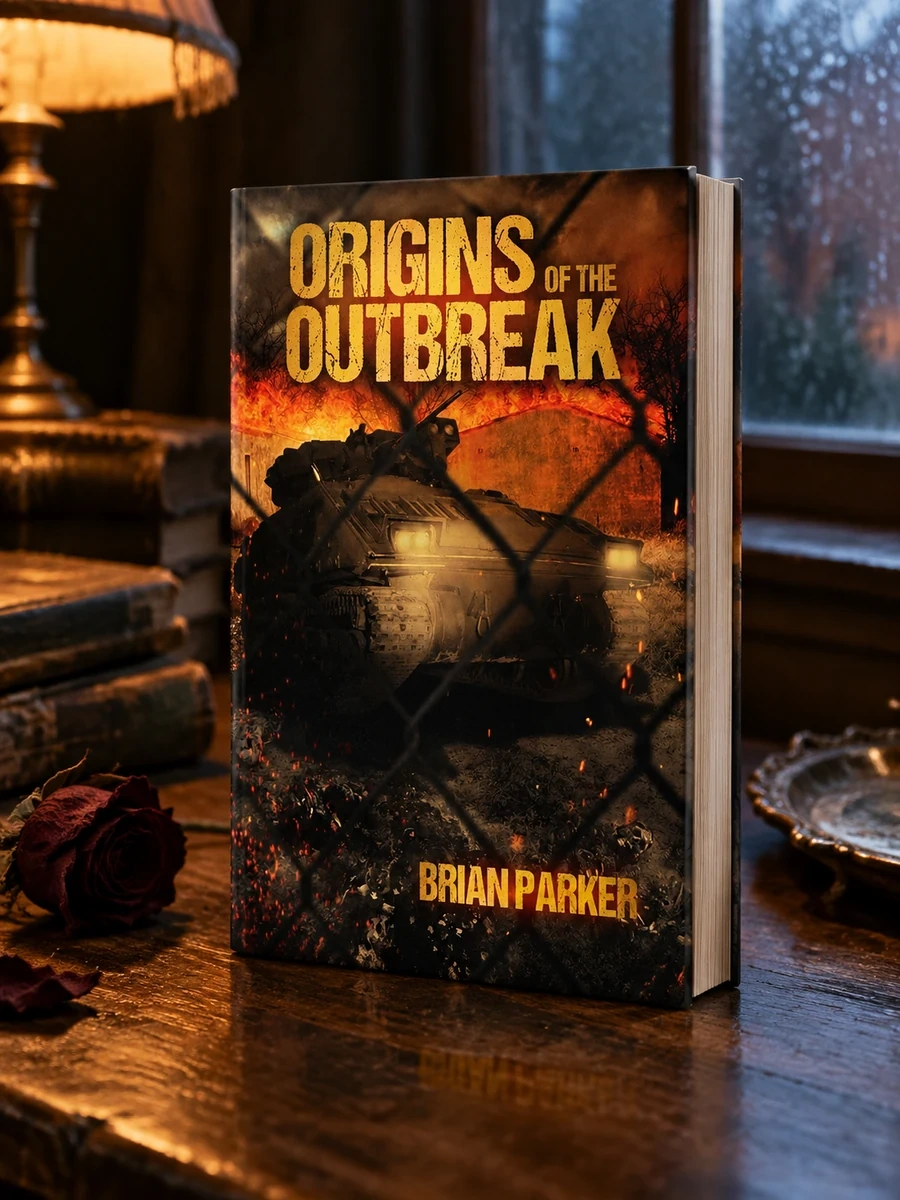

Origins of the Outbreak
A zombie epidemic novel told through victim perspectives in Texas.
Dewater structures Origins of the Outbreak to emphasize the human cost of a biological crisis. By shifting focus from the CDC's logistical challenges to the individual experiences of those infected, the book creates a sense of claustrophobic dread. The narrative does not rely on grand battles or military interventions but instead tracks the spread through personal accounts. Each short story reveals a new facet of the horror, showing how the disease alters perception and behavior. The setting remains rooted in the initial Texas outbreak before expanding to show the inevitable global consequences. This approach highlights the fragility of modern society when faced with an uncontrollable pathogen.
The book engages with contemporary anxieties about pandemics and institutional failure. It reflects a period where public health responses are scrutinized for their speed and efficacy. The setting in a small Texas town contrasts with the global scale of the threat, grounding the supernatural elements in a recognizable American landscape.


📝 Description: Origins of the Outbreak
💎 Our verdict on Origins of the Outbreak
📖 Why choose it
Why this book is worth reading
Readers seeking a grounded, atmospheric zombie narrative will find value in this text's unique structural approach. By eschewing traditional military action or heroic tropes, the book offers a claustrophobic exploration of individual suffering during a collapse. It appeals to those interested in the mechanics of disease transmission and the psychological toll of isolation. The focus on personal accounts provides emotional depth often missing in genre fiction, making it suitable for audiences who prefer visceral, realistic horror over fast-paced action. It is ideal for fans of body horror and stories that prioritize the terrifying spread of illness over resolution.
⭐ Reader reviews
Reader rating
Dewater’s Origins of the Outbreak distinguishes itself through its deliberate focus on the microscopic human experience amidst a macroscopic catastrophe. The book excels in creating a sense of inevitable dread by tracking infection through intimate, fragmented perspectives rather than grand battles. This method highlights the fragility of modern society when faced with an uncontrollable pathogen, offering a chilling examination of how disease alters perception and behavior. It suits readers who appreciate medical realism and psychological horror over traditional heroic narratives. While it lacks fast-paced action, its strength lies in the visceral portrayal of isolation and transformation, making it a compelling choice for those interested in the terrifying mechanics of an epidemic's spread.
📖 Read on the blog
✍️ More books by this author Aurora Dewater



🏛 Books from this publisher Createspace Independent Publishing Platform






You might also like
See more →





Have a question about this item?
Ask about the edition, condition, delivery or anything else — we reply by email or phone, usually within a day.
