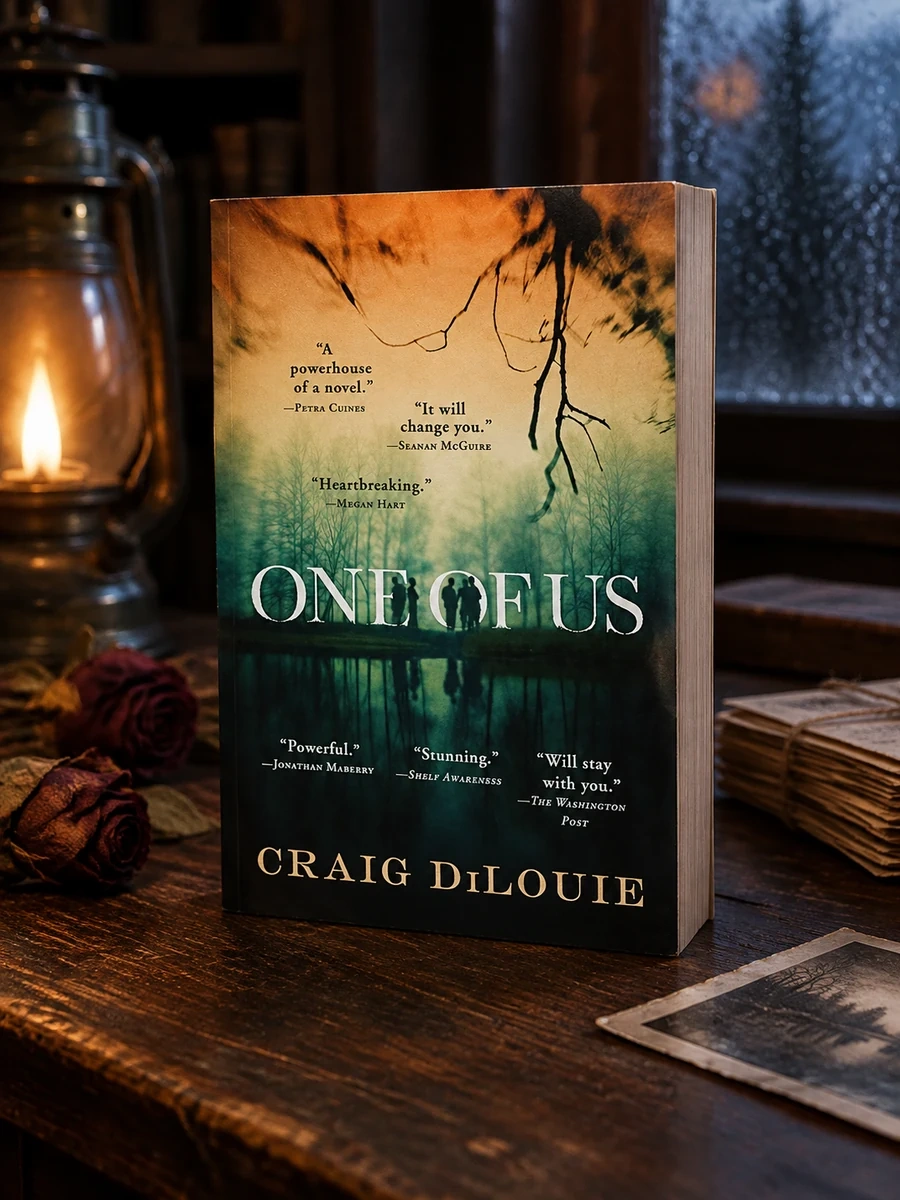

One of Us
A 1984 orphanage story about mutated teens facing societal hatred.
Dilouie explores the isolation of Enoch Bryant and his peers, who possess extreme genetic mutations. They live in an orphanage while being feared by the surrounding community. The narrative focuses on the growing conflict between these outcasts and the townspeople who hate them without cause. When violence erupts through a discovered body, the fragile peace shatters. The story highlights the dangerous potential of suppressed rage and misunderstanding. It portrays a world where difference is met with immediate hostility rather than curiosity. Enoch’s desire for respect clashes with the reality of his existence.
The novel is set in 1984, placing it within a specific historical moment often associated with Cold War anxieties. It draws on post-apocalyptic tropes to examine the plague generation and their place in society. The setting influences the tone of fear and isolation present throughout the narrative.


📝 Description: One of Us
💎 Our verdict on One of Us
📖 Why choose it
Why this book is worth reading
Readers seeking intense, character-driven horror will find value in this raw depiction of youth in crisis and the dangerous potential of suppressed rage. Those interested in psychological horror and dark fantasy will appreciate Dilouie’s unflinching examination of how hatred persists even when the accused are innocent. This book is ideal for audiences who enjoy gritty narratives that challenge conventional views on difference and societal fear. It offers a shocking look at isolation and the clash between individual desire for respect and external hostility, making it suitable for those willing to engage with harsh, uncompromising themes rather than seeking light or uplifting stories.
⭐ Reader reviews
Reader rating
Craig Dilouie delivers a gritty narrative that effectively utilizes its post-apocalyptic backdrop to examine deep-seated prejudice. The story succeeds in portraying the fragile peace between outcasts and their community, building tension through Enoch’s internal struggle for acceptance amidst societal revilement. While not gentle or kind, the text offers a compelling study of marginalization and hidden power. It suits readers who appreciate raw, unfiltered depictions of mutation and social rejection. The lack of nuance in societal response to difference serves as a potent critique of fear-driven hostility. This is a challenging read that demands engagement with its harsh realities, rewarding those who look for horror that reflects the darker aspects of human nature and community dynamics.
📖 Read on the blog
✍️ More books by this author Craig Dilouie



🏛 Books from this publisher Orbit



You might also like
See more →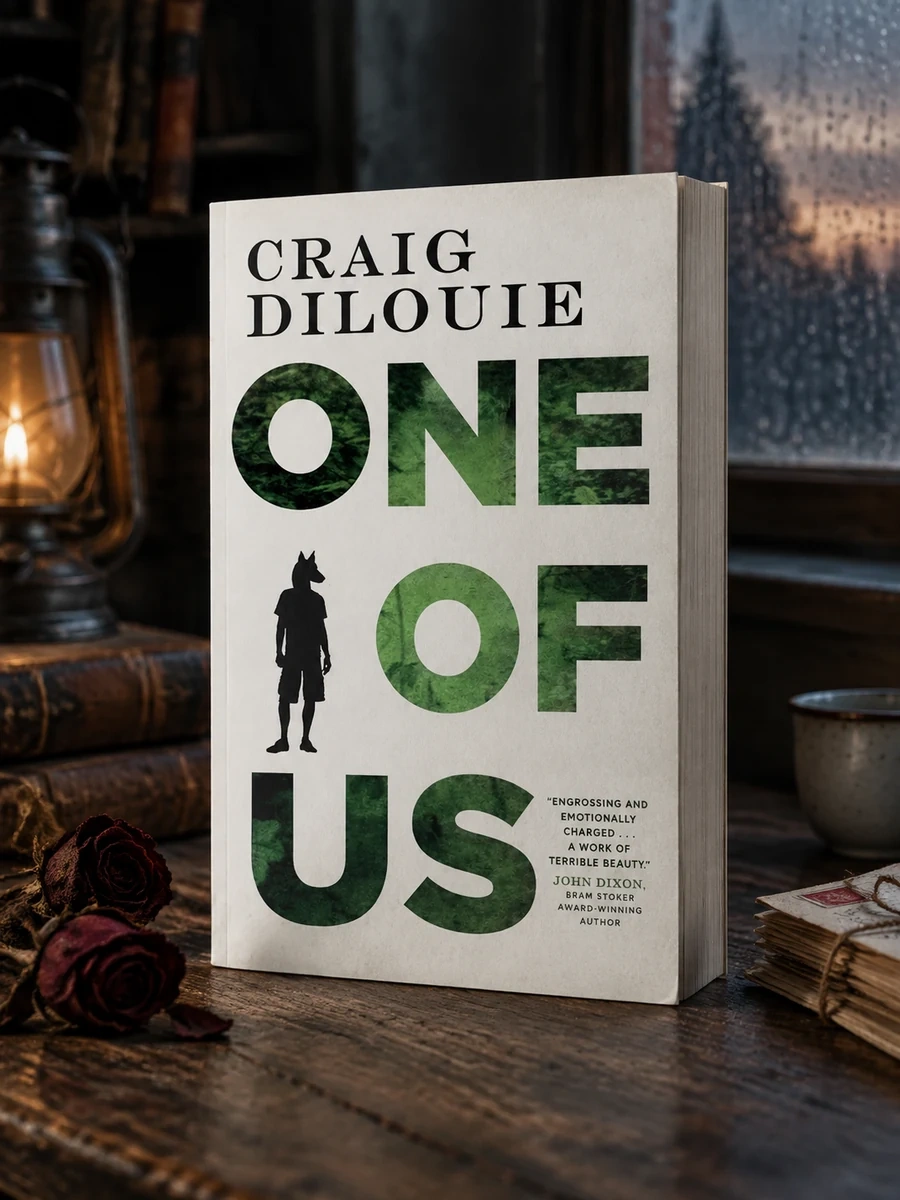


Have a question about this item?
Ask about the edition, condition, delivery or anything else — we reply by email or phone, usually within a day.
