Omega Virus: Surviving the horror
A narrative account of global devastation caused by a biological weapon in 2036.
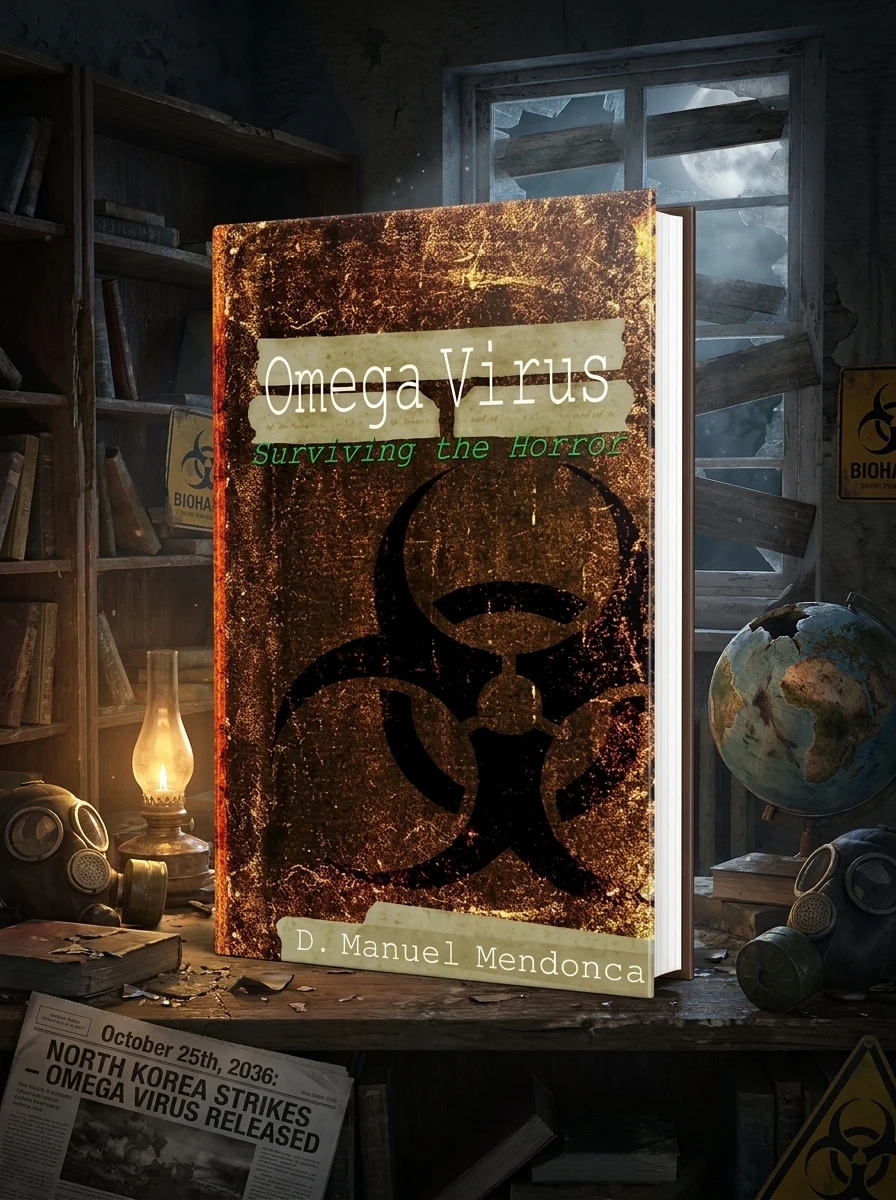
Mendonca constructs a story where North Korea initiates a catastrophic event using the Omega Virus. This attack eliminates ninety percent of humanity on October 25th, 2036. The remaining survivors face a harsh new reality defined by scarcity and conflict. The narrative follows their efforts to maintain hope while fighting for life. Mendonca does not provide scientific explanations for the virus's mechanics. Instead, he focuses on the human element of survival in a collapsed world. The work serves as a cautionary tale about the consequences of modern warfare. It highlights the vulnerability of global populations to single acts of aggression. The story remains grounded in the immediate aftermath of the strike.
The narrative is set in a near-future timeline beginning in 2036. It imagines a geopolitical scenario where North Korea uses biological weapons. The work reflects anxieties about modern warfare and global security.


📝 Description: Omega Virus: Surviving the horror
💎 Our verdict on Omega Virus: Surviving the horror
📖 Why choose it
Why this book is worth reading
Readers interested in the visceral, immediate aftermath of global catastrophe will find value in this narrative. It offers a grounded perspective on survival when societal structures collapse, focusing on human endurance rather than technical explanations. Those who appreciate horror that highlights the vulnerability of populations to single acts of aggression should engage with this text. It serves as a cautionary tale for those concerned with the consequences of modern warfare and biological threats. The book appeals to individuals seeking a story of hope amidst despair, where survivors fight not just for life but for meaning in a stripped-down world.
⭐ Reader reviews
Reader rating
Mendonca delivers a stark account of devastation driven by human agency rather than supernatural forces. By focusing on the psychological and physical struggle of the surviving ten percent, the narrative avoids scientific exposition in favor of raw survivalism. This approach suits readers who prefer emotional resonance over technical detail regarding the pathogen itself. The tone is serious and cautionary, emphasizing the fragility of global stability. It effectively captures the horror of sudden civilizational collapse without resorting to complex lore. The work stands as a compelling examination of endurance, making it ideal for those who enjoy speculative fiction centered on the consequences of geopolitical aggression and the human spirit's resilience in the face of absolute loss.