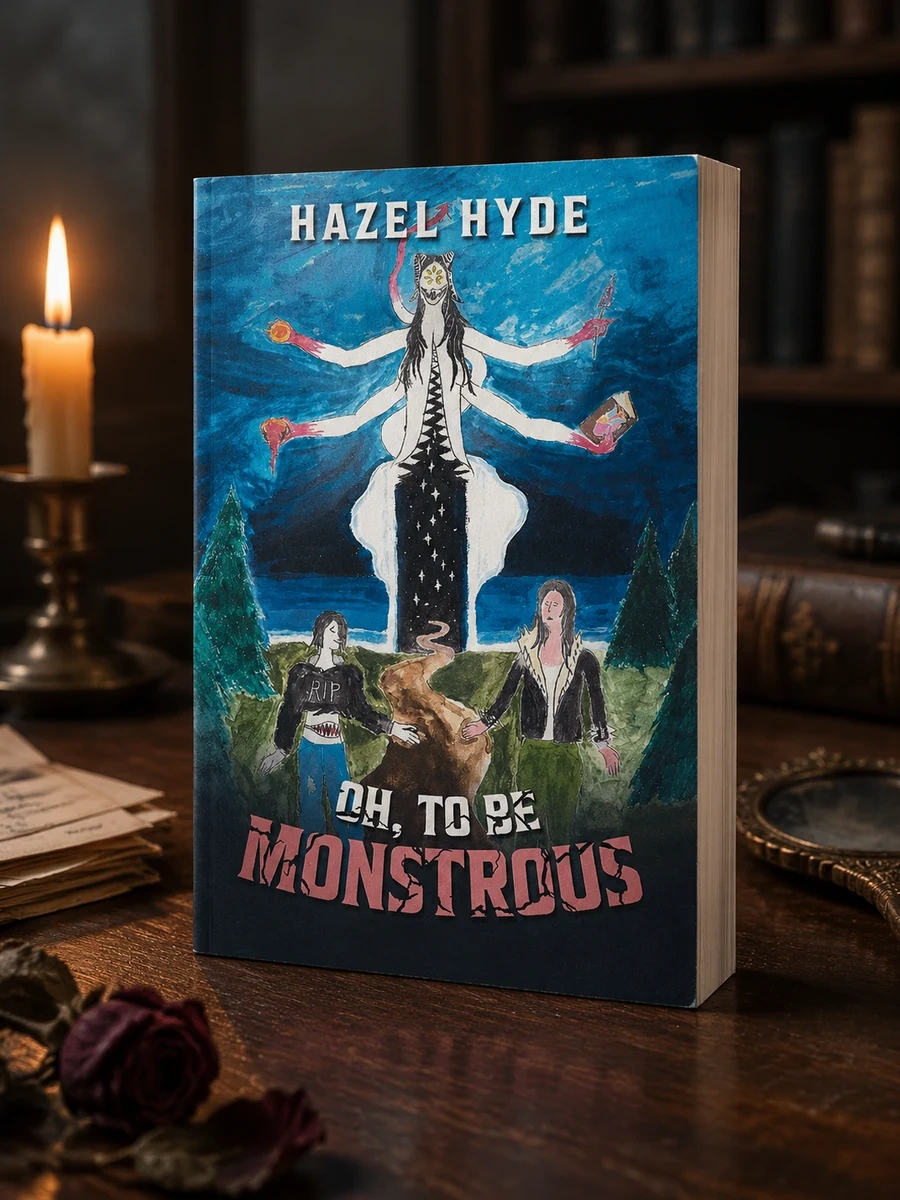
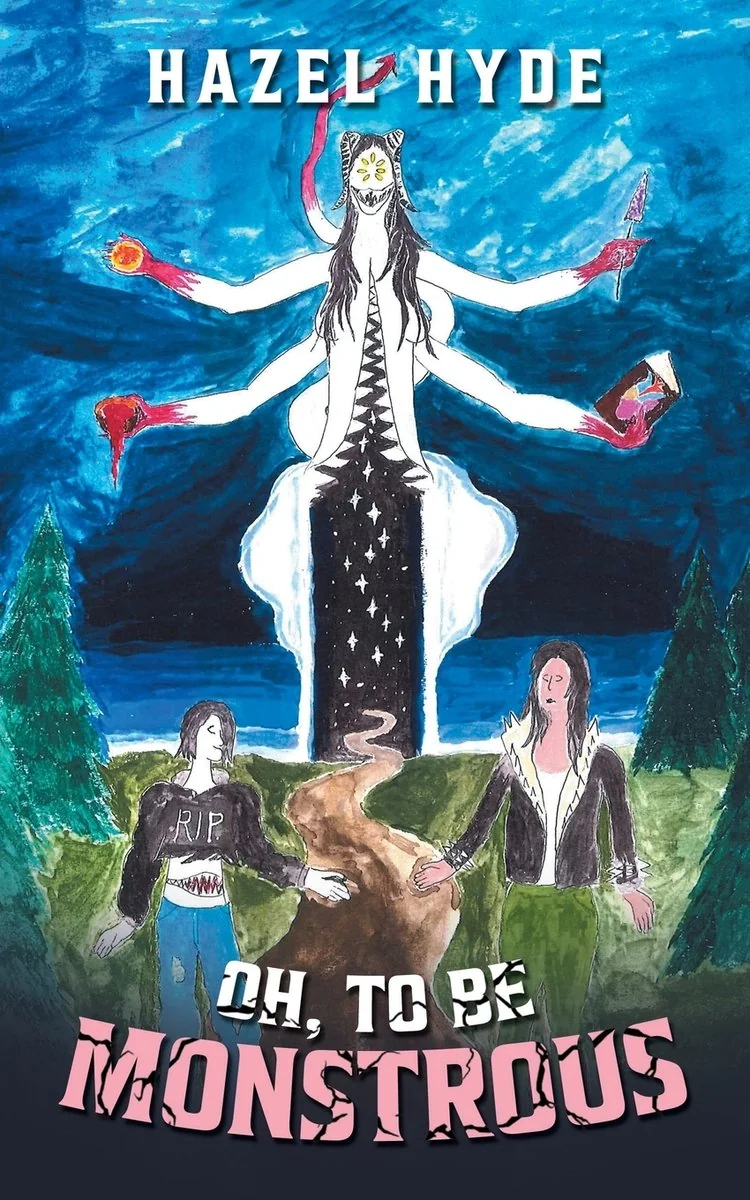
Oh, To Be Monstrous
A gothic tale of identity loss and supernatural bargains by Hazel Hyde
Daxton’s journey begins with deep dissatisfaction with their physical existence. This despair leads to a pact with an unknown force that promises a perfect life in exchange for multiple human lives. The story tracks the immediate aftermath of this deal, showing how Daxton’s new reality upends the stability of those around them. Hyde explores themes of self-perception versus external judgment. The narrative does not shy away from the grim implications of trading others for oneself. It is a study in moral decay and the illusion of control.
Published by Milton & Hugo LLC in February 2026, this work fits into the modern American tradition of supernatural fiction. It draws on gothic tropes regarding monstrous transformation and the price of ambition. The text engages with contemporary discussions about bodily autonomy and the ethics of self-determination through a dark, speculative lens.


📝 Description: Oh, To Be Monstrous
💎 Our verdict on Oh, To Be Monstrous
📖 Why choose it
Why this book is worth reading
Readers who gravitate toward psychological horror and dark fantasy will find this narrative deeply rewarding for its unflinching examination of moral decay. It appeals to those interested in the complexities of identity loss and the terrifying consequences of trading humanity for perfection. By focusing on the erosion of self-perception versus external judgment, the book offers a concentrated study of the cost of self-reinvention. Those who appreciate tales where the price of fulfillment is steep and the protagonist’s internal struggle drives the plot will gain significant insight into the illusion of control. It is ideal for readers seeking a grim, atmospheric experience that questions what sacrifices are truly acceptable for personal desire.
⭐ Reader reviews
Reader rating
Hyde delivers a potent exploration of the Faustian bargain, grounding supernatural horror in the visceral reality of body dysphoria and moral compromise. The narrative effectively transitions from internal dissonance to external chaos, maintaining a tight focus on Daxton’s psychological unraveling rather than sprawling plot mechanics. This approach suits readers who prefer atmospheric dread over action-driven monster hunting. While it may disappoint those seeking lighthearted supernatural romances, it excels for fans of gothic fiction and true crime-adjacent psychological studies. The work stands as a compelling critique of the desire for perfection, offering a chilling look at how the pursuit of an ideal self can destroy one’s current world through calculated, cold-hearted decisions.