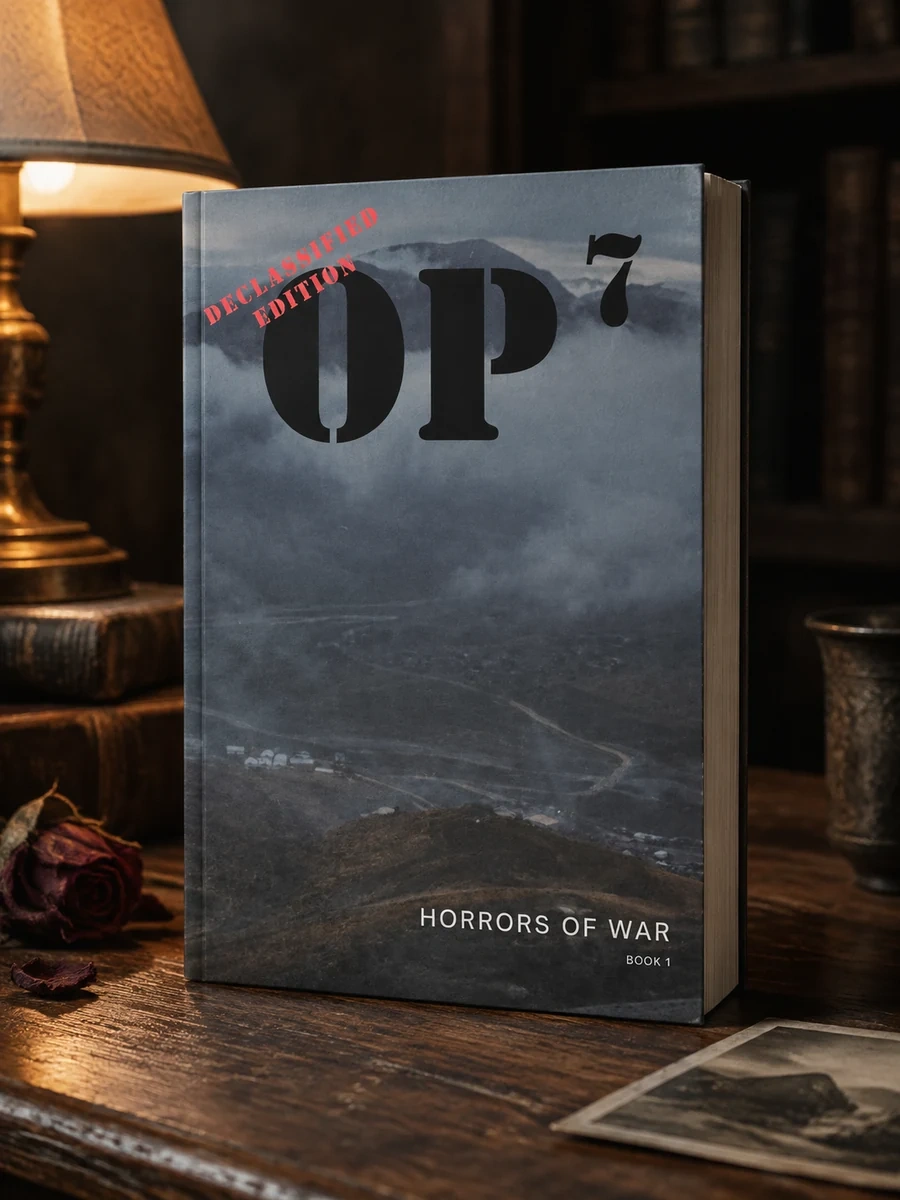
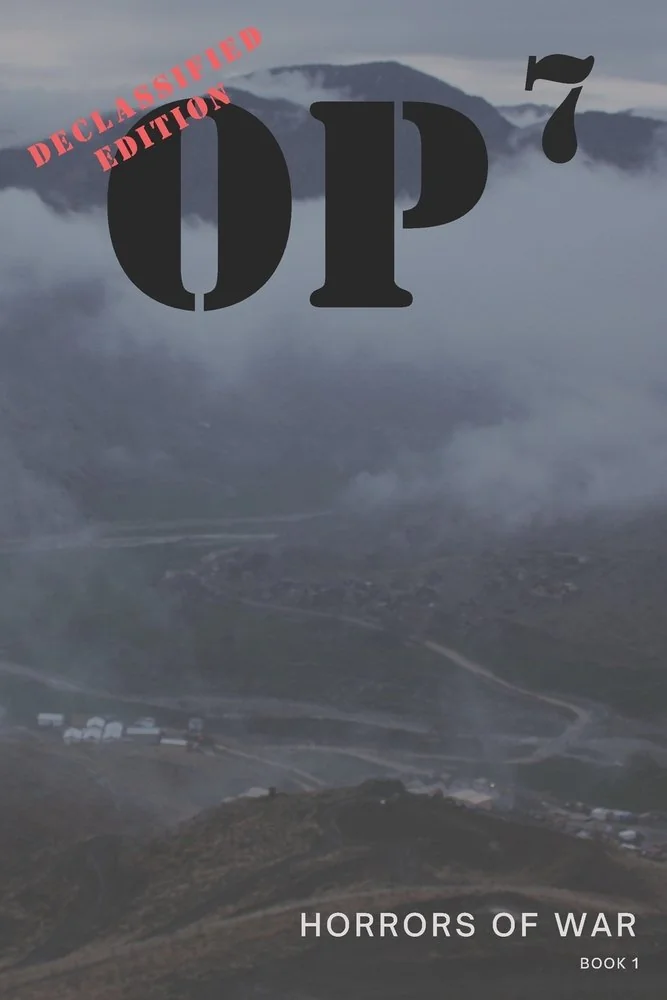
O.P. #7
A National Guard squad faces supernatural terror at a forgotten Afghan outpost.
Fenner explores the fragility of sanity under extreme isolation. The narrative focuses on Sergeant Trent Stone and his team as they hold Observation Post 7. The text does not offer historical context but instead prioritizes psychological horror. Readers encounter a story where reality distorts and allies become threats. The author uses military structure to contrast with chaotic supernatural events. This approach appeals to those who prefer character-driven dread over plot-heavy action. The book lacks detailed world-building beyond the immediate danger. It is a tight, focused examination of fear in a confined space.
This work sits within contemporary military horror fiction. It draws on the tradition of soldiers encountering unknown evils in foreign lands. The setting is a specific, forgotten valley in Afghanistan. Fenner uses this backdrop to explore themes of isolation and madness. The narrative reflects modern anxieties about war and the unseen.


📝 Description: O.P. #7
💎 Our verdict on O.P. #7
📖 Why choose it
Why this book is worth reading
Readers who crave intense, character-driven dread within confined spaces will find this book compelling. It appeals to those enjoying military fiction that prioritizes psychological erosion over tactical precision or political commentary. Fans of gothic horror and cosmic terror appreciate how the narrative uses isolation to distort reality and erode sanity. Those seeking visceral fear without complex world-building or historical context will engage with the immediate tension. The story offers a tight examination of fear where allies become threats, satisfying audiences who prefer supernatural terror grounded in human fragility rather than plot-heavy action sequences.
⭐ Reader reviews
Reader rating
Fenner delivers a focused examination of sanity under extreme isolation, utilizing military structure to contrast chaotic supernatural events effectively. The narrative succeeds by prioritizing psychological horror over historical accuracy, creating a tense atmosphere where reality distorts and soldiers vanish. By avoiding political analysis, the book maintains immediate, visceral fear suitable for fans of military settings mixed with gothic terror. The breakdown of order within the unit is portrayed with compelling intensity, making the environment itself an antagonist. While it lacks detailed world-building, its strength lies in character-driven dread. This approach suits readers who prefer tight, confined-space horror over expansive plot development, delivering a relentless experience that leaves no room for comfort.
📖 Read on the blog
🏛 Books from this publisher Createspace Independent Publishing Platform




You might also like
See more →



Have a question about this item?
Ask about the edition, condition, delivery or anything else — we reply by email or phone, usually within a day.
