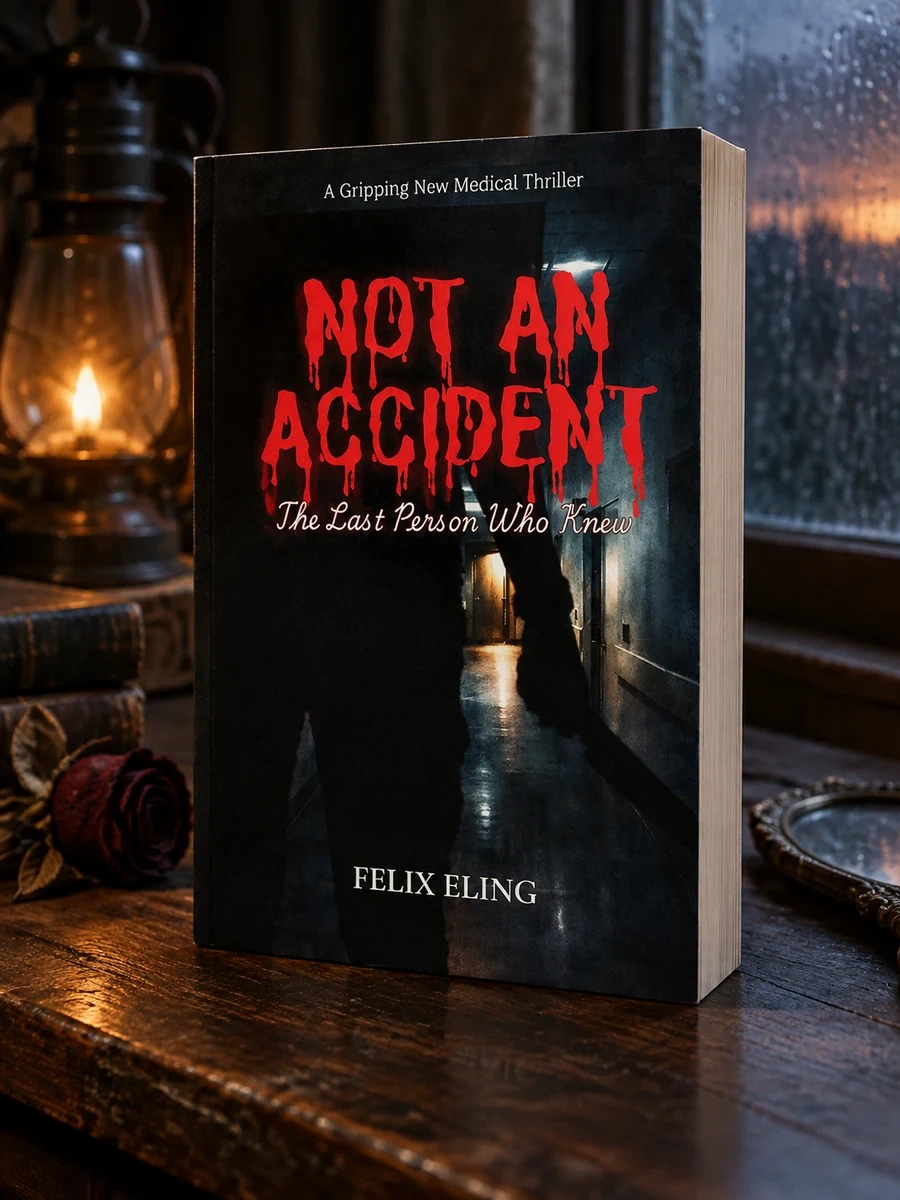
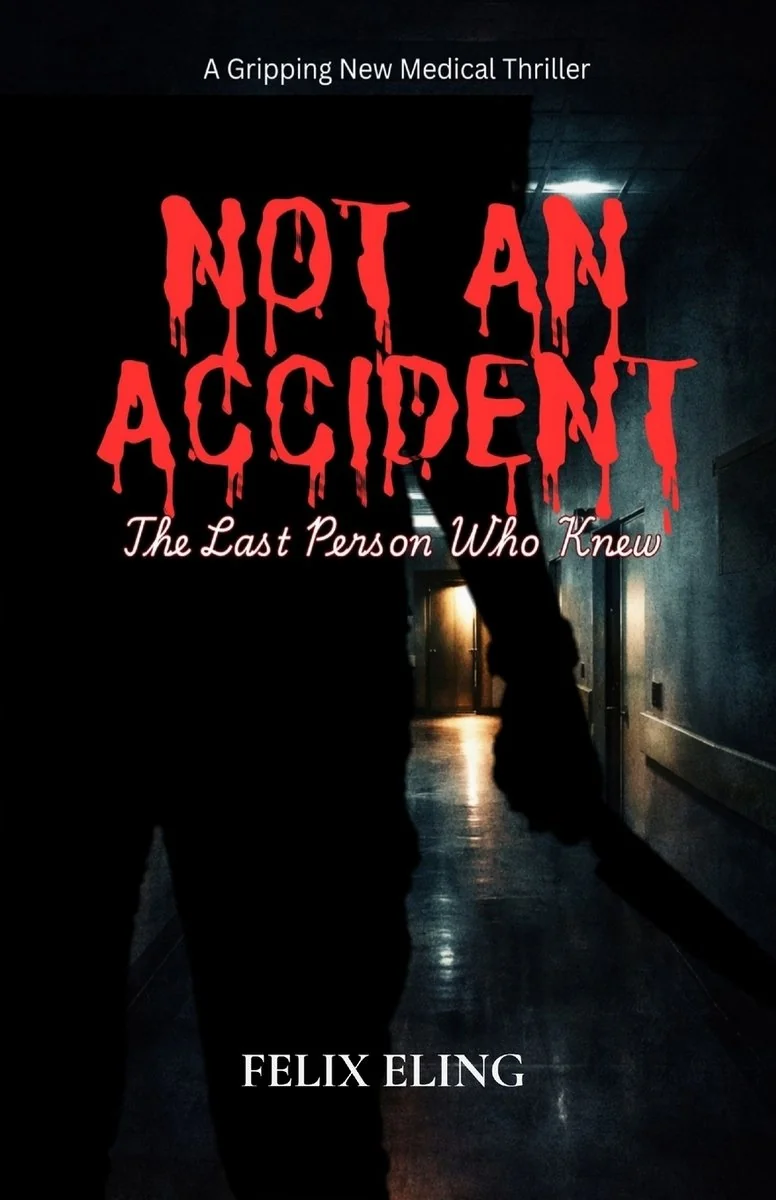
Not An Accident: The Last Person Who Knew
A psychological horror novel about trust eroding in a domestic setting.
The narrative explores how medical procedures intersect with household dynamics to create dread. Eling focuses on the tension that arises when trust fails between family members. The text avoids supernatural elements, relying instead on the intensity of human relationships. This approach creates a claustrophobic atmosphere where every word matters. The story is organized to maintain tight pacing and clinical precision. It appeals to readers who prefer psychological depth over action. The book suits those interested in domestic conflict and subtle horror. It does not suit readers seeking supernatural spectacle or fast-paced plots.
This 2026 publication by Allan Inspirations sits within the psychological horror genre. It blends thriller elements with fiction to explore domestic conflict. The work appeals to American readers seeking subtle scares and tension-driven narratives.


📝 Description: Not An Accident: The Last Person Who Knew
💎 Our verdict on Not An Accident: The Last Person Who Knew
📖 Why choose it
Why this book is worth reading
Readers who prioritize psychological depth over action will find significant value in this narrative. It appeals to those interested in domestic conflict and the subtle horror that arises when trust fails between family members. The book suits individuals who appreciate clinical precision and tight pacing, allowing dread to settle steadily rather than relying on cheap thrills. Those seeking a claustrophobic atmosphere where every interaction carries weight will gain from the intensity of human relationships gone wrong. It is ideal for fans of character-driven stories that explore fear in everyday settings without offering fast-paced plots or traditional ghostly elements.
⭐ Reader reviews
Reader rating
Felix Eling delivers a masterclass in sustained tension by focusing on medical procedures and domestic unease rather than overt scares. The narrative effectively creates a claustrophobic atmosphere through the erosion of trust within a household, ensuring that every word matters. The prose mirrors the clinical themes with precision, unraveling through conflict to maintain tight pacing. This approach rewards readers who appreciate subtle horror and psychological intensity. It is best suited for those looking for intense, character-driven stories that examine the gradual breakdown of safety in the home. Readers expecting supernatural spectacle may find it lacking, but fans of domestic thrillers will appreciate the lingering discomfort.
You might also like
See more →






Have a question about this item?
Ask about the edition, condition, delivery or anything else — we reply by email or phone, usually within a day.
