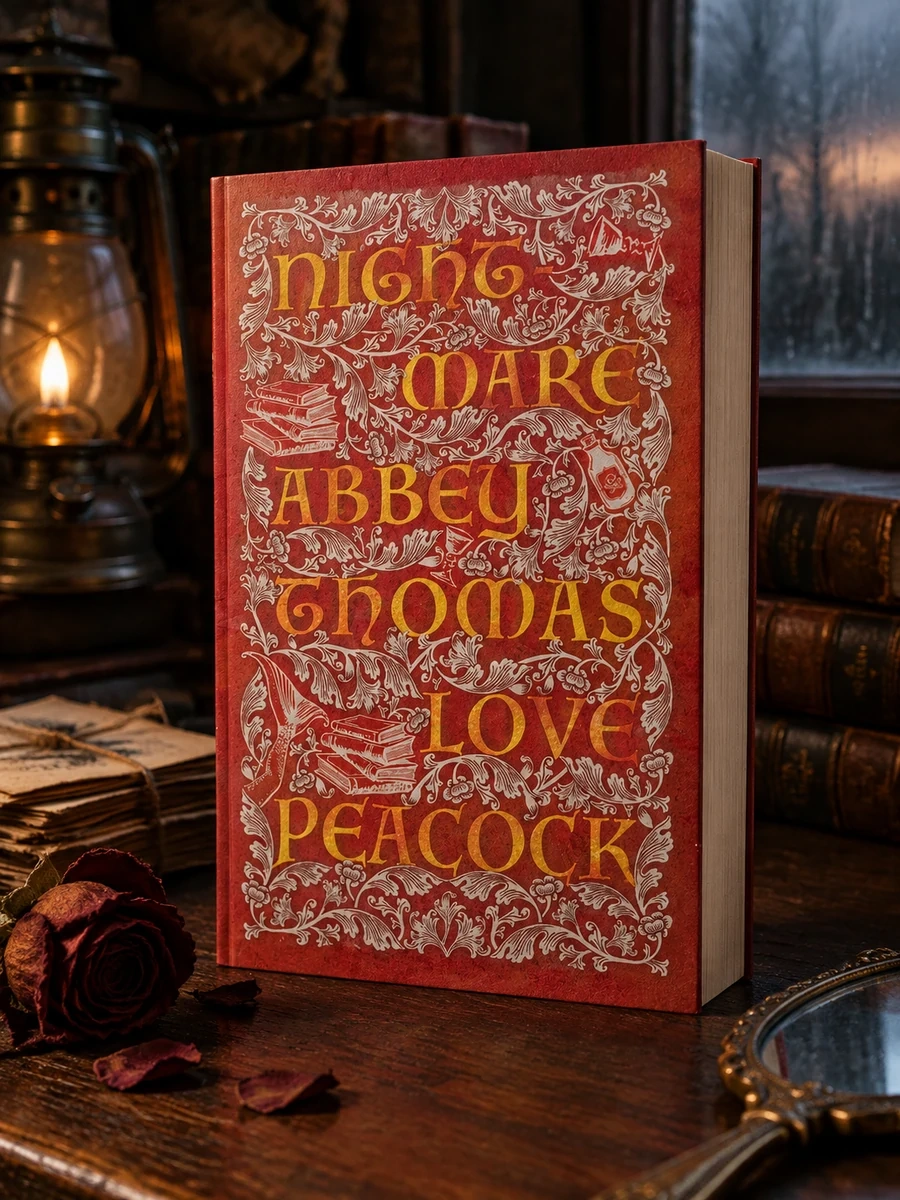
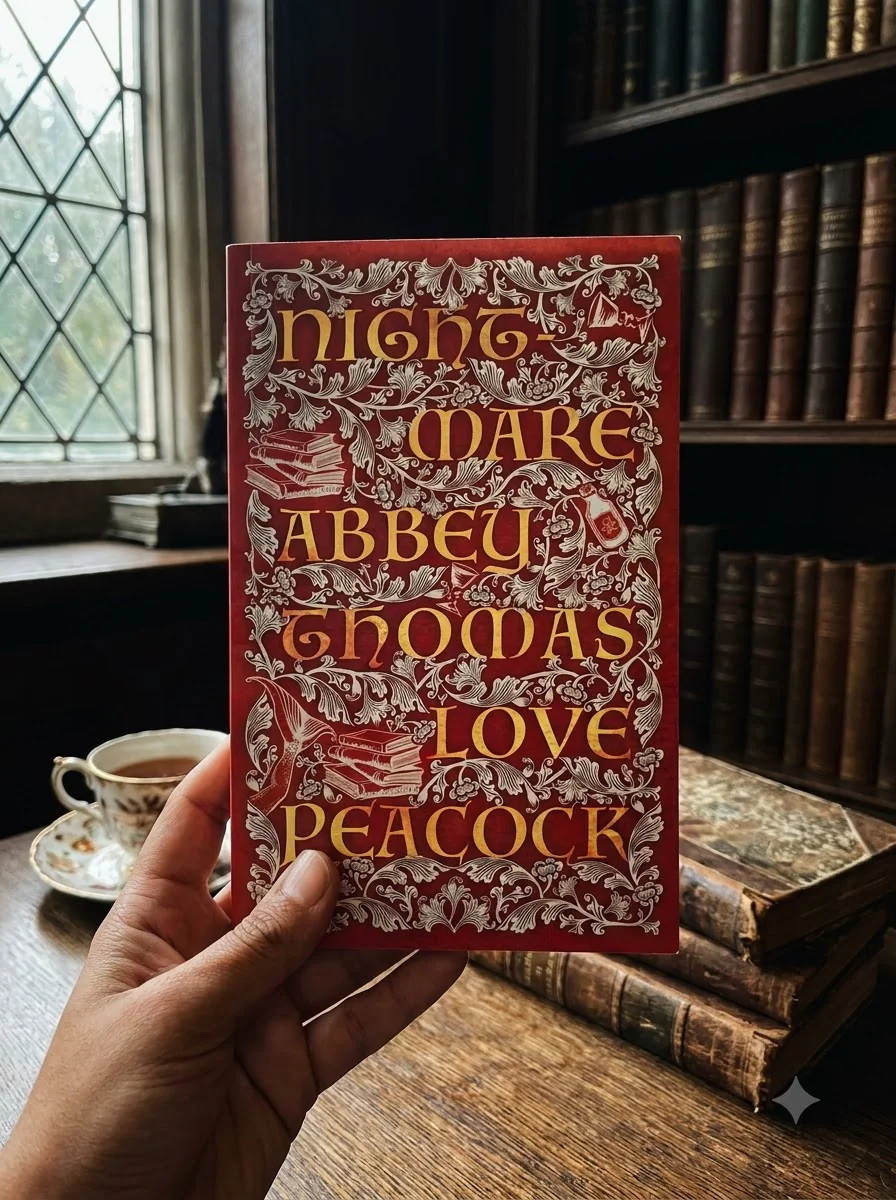
Nightmare Abbey
A satirical Gothic novella about family dysfunction and romantic schemes.
Peacock uses the setting of Nightmare Abbey to critique contemporary society through the lens of his friends. The story balances dark humor with cultural references, creating a unique blend of genre fiction and social observation. Scythrop's attempts at reform clash with the cynical environment around him. The presence of supernatural elements like the mermaid adds a layer of absurdity to the otherwise grounded character study. This approach distinguishes the work from traditional tales of terror.
Published in 1818, this novella reflects early nineteenth-century literary trends. Peacock draws on classical traditions and contemporary music to frame his satire. The work stands as a significant example of Regency-era fiction that blends genre elements with sharp social critique.


📝 Description: Nightmare Abbey
💎 Our verdict on Nightmare Abbey
📖 Why choose it
Why this book is worth reading
Readers who enjoy witty social commentary and classical literary nods will find great reward in this unique blend of genre fiction and social observation. Peacock balances dark humor with cultural references, creating a narrative that critiques contemporary society through the lens of his friends. The story appeals to those interested in character interaction and intellectual satire rather than straightforward horror or fast-paced action. By focusing on the clash between Scythrop's attempts at reform and the cynical environment around him, the book offers a sophisticated examination of family dysfunction and romantic schemes. It is ideal for audiences seeking a grounded character study enriched by absurdity and high-culture allusions.
⭐ Reader reviews
Reader rating
Peacock distinguishes Nightmare Abbey from traditional tales of terror by prioritizing intellectual satire over genuine fright. The novella excels in its witty social commentary, using the gloomy setting to highlight the absurdities of status-quo-ites, morbid visionaries, and romantic enthusiasts. While it lacks the fast-paced action typical of horror, it succeeds brilliantly as a character study grounded in cultural references. This approach makes it particularly suitable for readers who appreciate dark humor and classical literary allusions. Those seeking straightforward scares may find it lacking, but fans of Gothic satire will appreciate its unique perspective on human nature and societal critique.
📖 Read on the blog
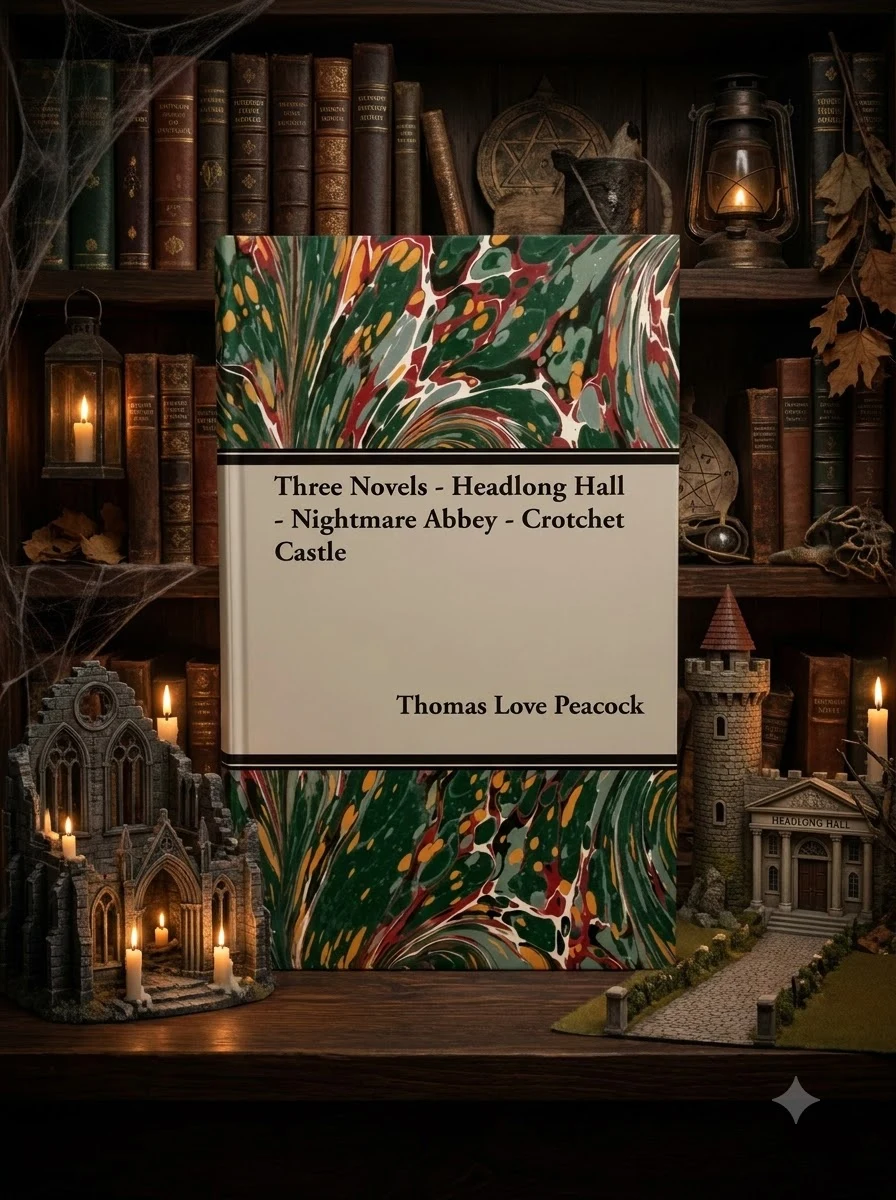
✍️ More books by this author Thomas Love Peacock
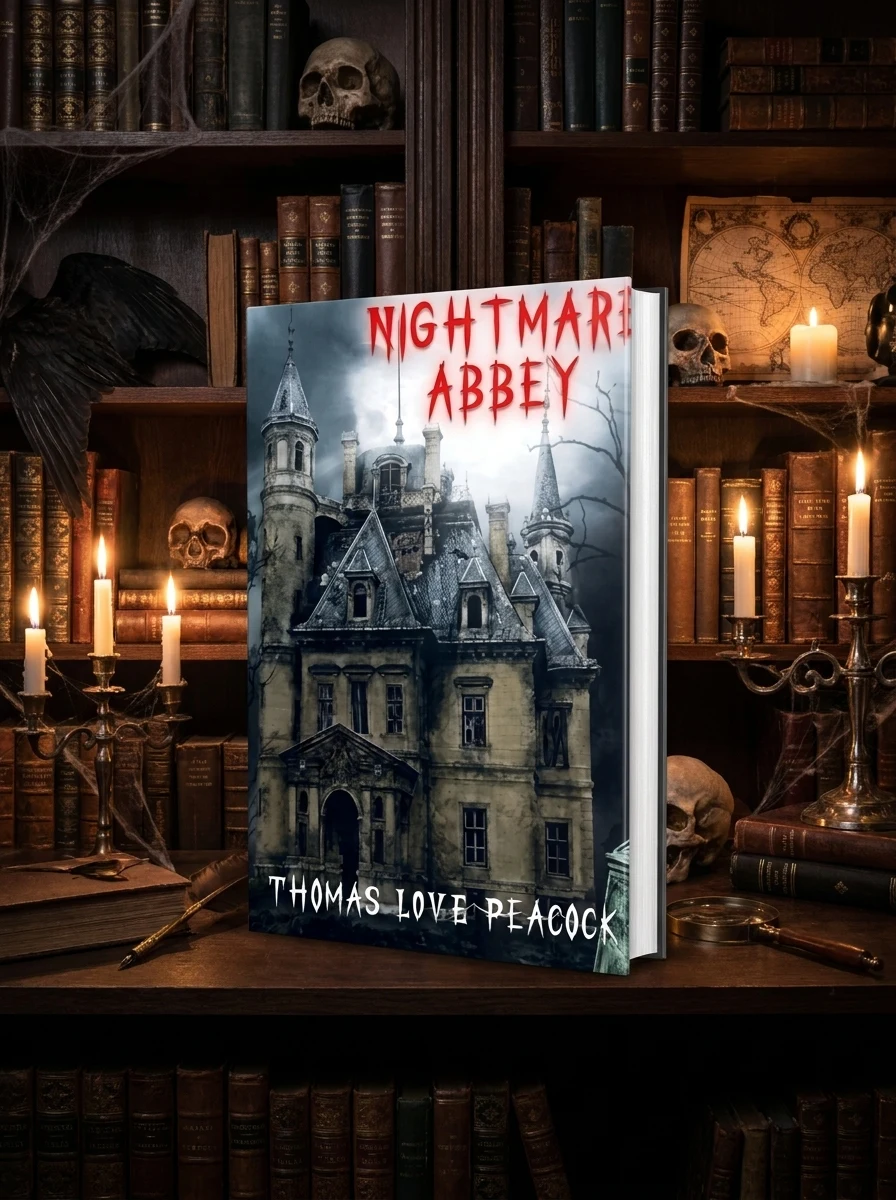


You might also like
See more →



Have a question about this item?
Ask about the edition, condition, delivery or anything else — we reply by email or phone, usually within a day.
