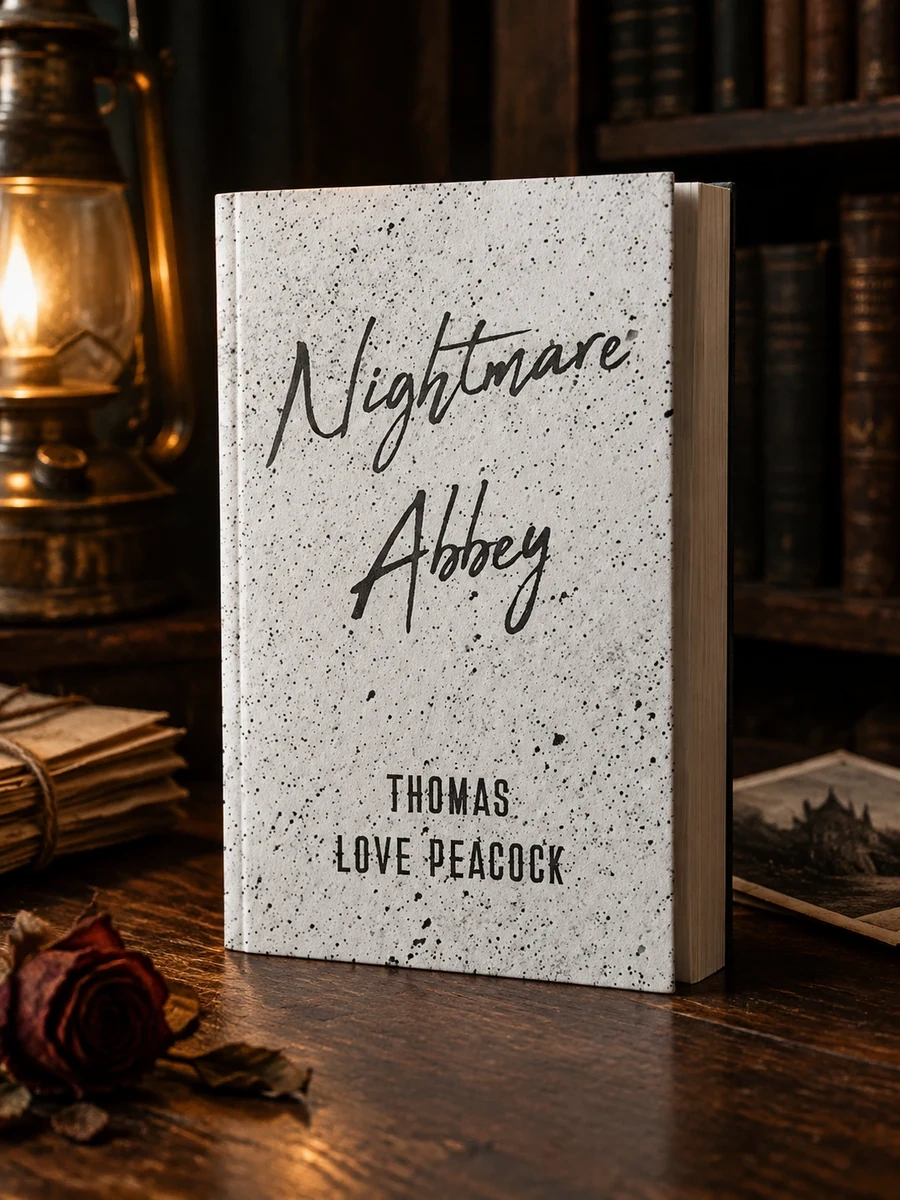

Nightmare Abbey
A satirical Gothic tale about a father and son navigating misanthropy in a crumbling mansion.
Peacock targets the morbidity and transcendental philosophies of his time through the lives of Christopher Glowry and his son Scythrop. The narrative follows Scythrop’s isolation in a tower as he reads German tragedies and considers suicide, only to pivot toward a shared misanthropy with his father. This approach allows Peacock to ridicule the romantic movement while maintaining a cheery, good-natured tone. The work stands as a biting critique of British romanticism, pitting exaggeration against scientific progress and the March of Mind. Readers interested in the intersection of satire and philosophical debate will find value here.
First published in 1818, this novella reflects early nineteenth-century English literary debates. Peacock, a contemporary of Shelley, uses the Gothic tradition to mock the preoccupation with morbidity and misanthropy prevalent in romantic literature.


📝 Description: Nightmare Abbey
💎 Our verdict on Nightmare Abbey
📖 Why choose it
Why this book is worth reading
Readers interested in the intersection of satire and philosophical debate will find significant value in this work. Peacock offers a cheery, good-natured tone that ridicules the romantic movement while maintaining literary sophistication. The narrative allows audiences to witness characters discussing contemporary philosophical systems within wild natural scenery. Those who appreciate biting critiques of British Romanticism and enjoy rambling, witty dialogue will gain insight into the cultural tensions of the era. It is ideal for those seeking a departure from straightforward adventure or serious romantic drama, offering instead a sharp examination of misanthropy and transcendental thought through a satirical lens.
⭐ Reader reviews
Reader rating
Peacock’s Nightmare Abbey succeeds as a satirical look at the romantic movement through the lens of Gothic fiction. The author effectively clamps figures like Coleridge and Byron in a painless pillory while examining contemporary philosophical systems with genuine feeling. The novel features characters sitting around tables discussing these ideas within wild, natural scenery described vividly. This work suits readers who enjoy satirical writing and Gothic literature, particularly those interested in the critique of British Romanticism. Those seeking straightforward adventure or serious romantic drama may find the rambling dialogue less appealing. However, for enthusiasts of philosophical debate and witty commentary, it remains a compelling study of misanthropy and cultural critique.
📖 Read on the blog
✍️ More books by this author Thomas Love Peacock


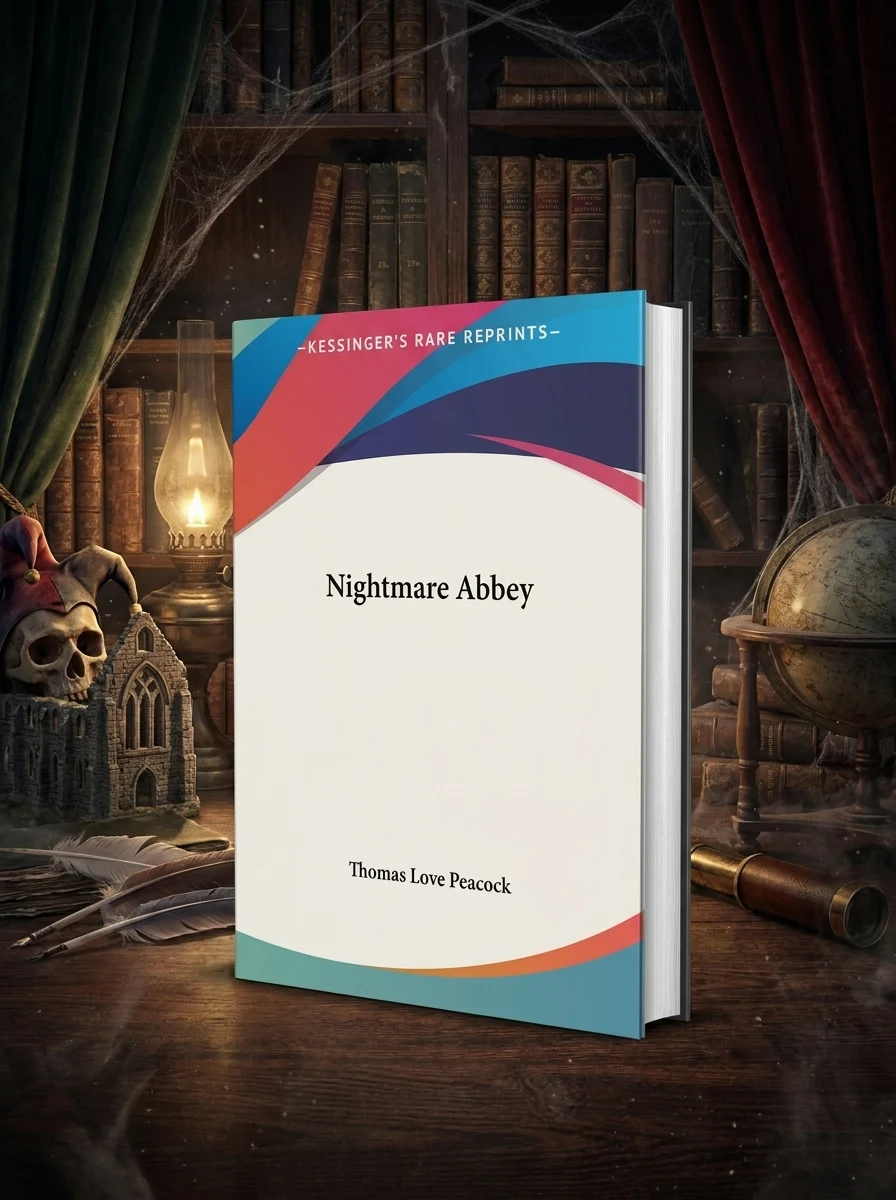
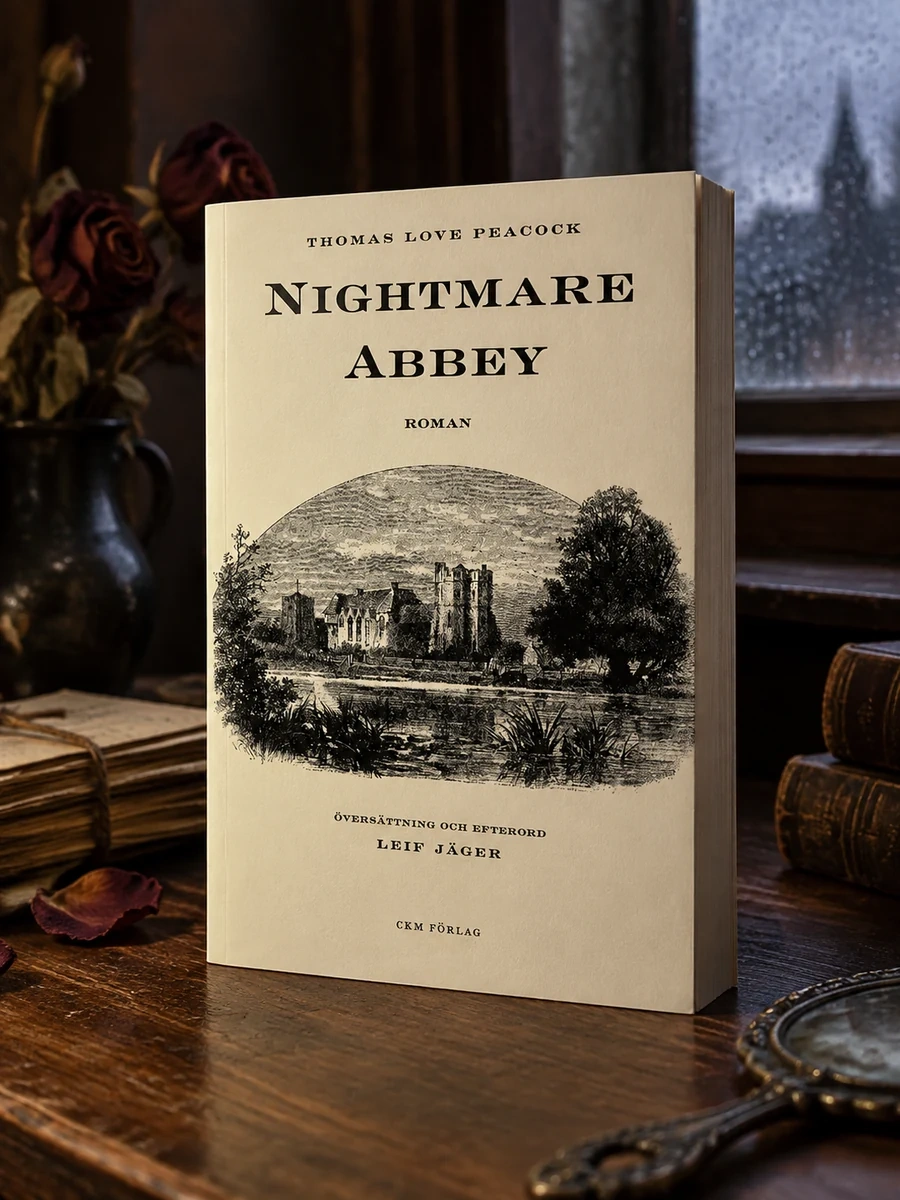
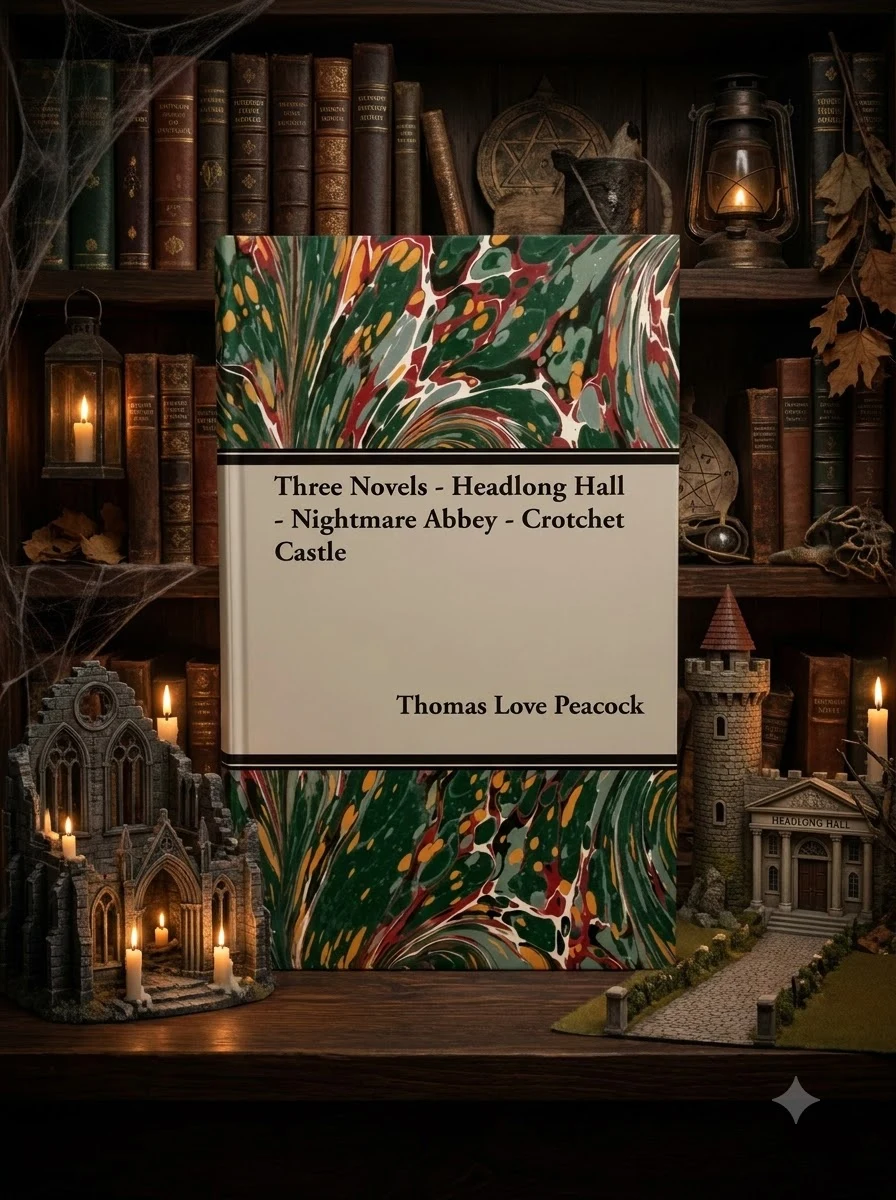
🏛 Books from this publisher Classic Books Library
You might also like
See more →



Have a question about this item?
Ask about the edition, condition, delivery or anything else — we reply by email or phone, usually within a day.
