Nain Rouge: The Red Legend
A comic book retelling of Detroit's Red Dwarf urban legend.
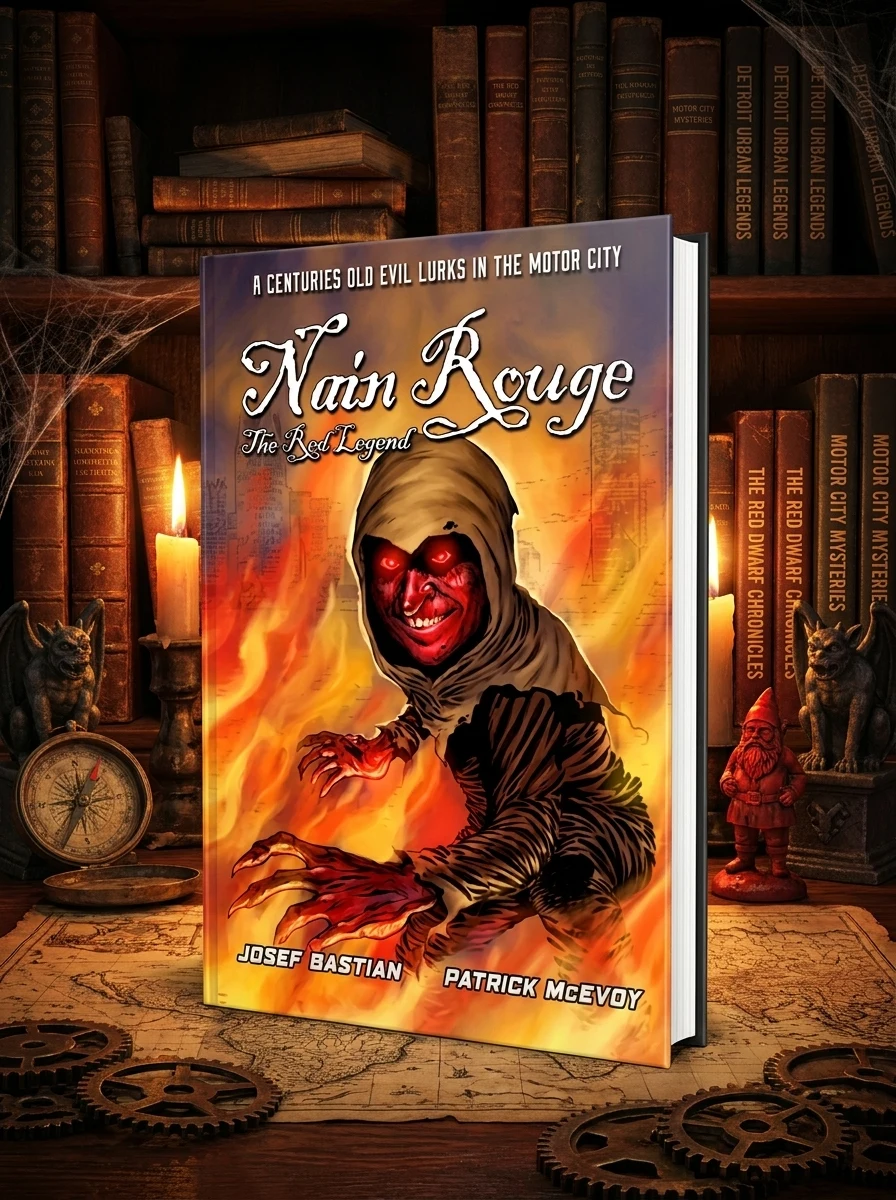
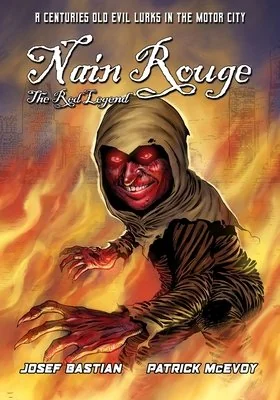
This volume examines the origins of the Nain Rouge within the context of early Detroit history. It details how the creature kept harmony until French settlers arrived, causing troubles to begin. The work is organized around this pivotal moment in regional lore, using the comic format to visualize the supernatural elements. Bastian connects the myth to the naming of the city by French colonists, grounding the legend in a specific historical framework. The narrative focuses on the disruption of balance caused by human expansion. This approach offers a visual interpretation of the folklore rather than a textual analysis. The book serves as a record of this particular urban legend, preserving the details of the Red Dwarf's presence before the city's modern development.
The story is rooted in the history of Detroit, known as the Motor City. It focuses on the period when French settlers first named the area, linking the supernatural legend directly to the city's colonial origins and the subsequent disruption of regional harmony.


📝 Description: Nain Rouge: The Red Legend
💎 Our verdict on Nain Rouge: The Red Legend
📖 Why choose it
Why this book is worth reading
Readers interested in regional horror legends and the intersection of folklore with urban history will find this volume relevant. Those seeking a visual interpretation of the Nain Rouge myth, rather than textual analysis, will appreciate Bastian’s approach. The book serves as a record of this particular urban legend, preserving details of the Red Dwarf's presence before modern development. It offers a distinct perspective on a well-known American urban myth by grounding it in the specific history of the Motor City. This format is ideal for those who prefer graphic storytelling over traditional prose novels or academic historical texts.
⭐ Reader reviews
Reader rating
Josef Bastian successfully brings the Nain Rouge legend to life through sequential art, offering a vivid visual interpretation of dark folklore. The work excels in connecting the supernatural entity to the foundational period of Detroit, framing the disruption of harmony caused by French settlers within a specific historical context. By presenting the Red Dwarf as a harbinger of trouble, the narrative captures the tension between the mythic past and human expansion. This volume is best suited for enthusiasts of regional horror and urban legends who enjoy graphic storytelling. It provides a unique entry point into this specific piece of American lore, balancing visual appeal with historical grounding without resorting to dense academic analysis.