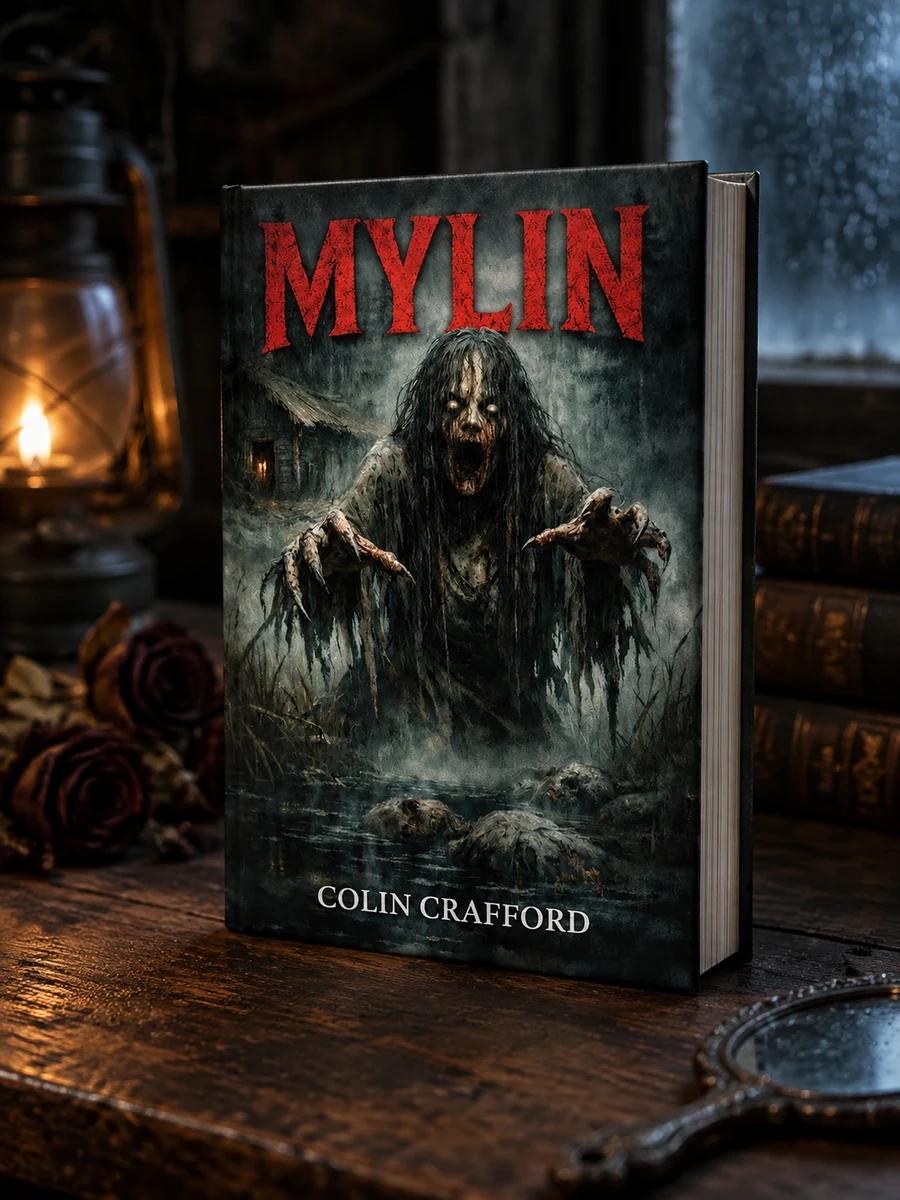
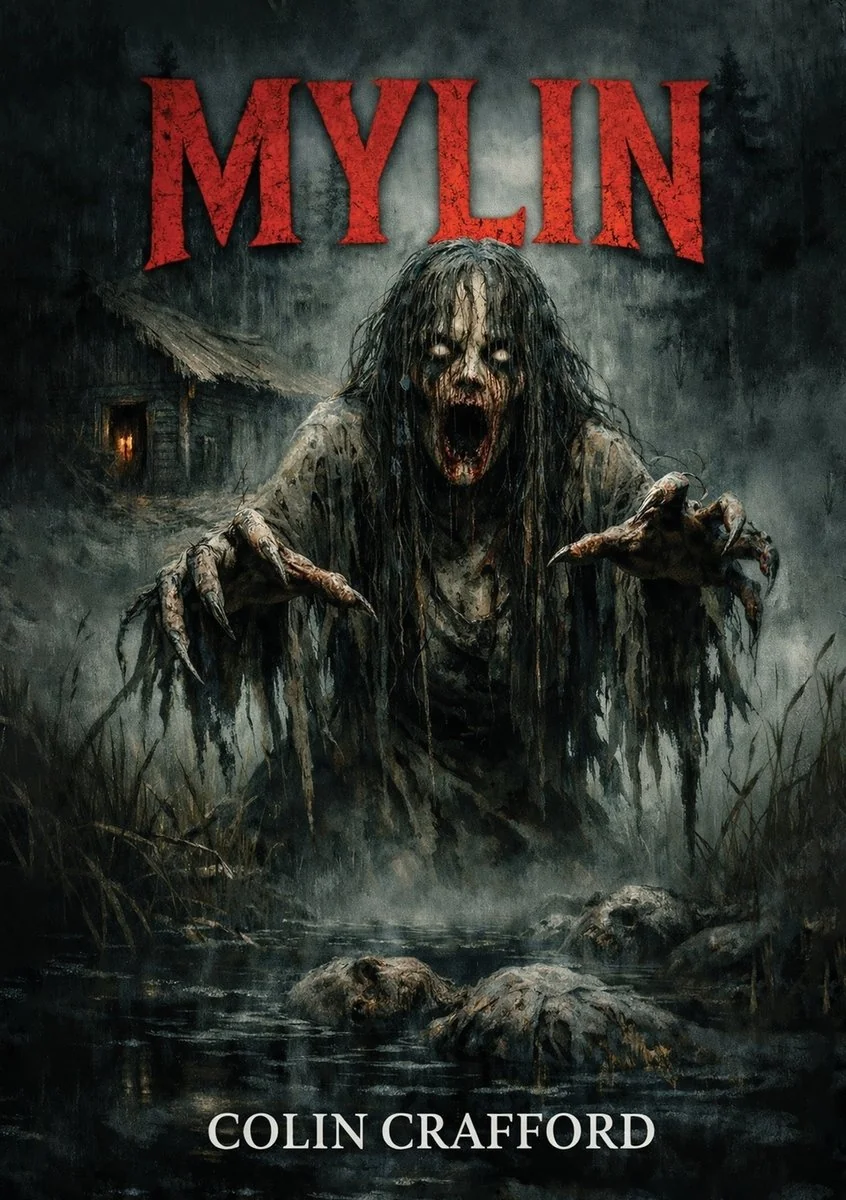
Mylin
A psychologist investigates a centuries-old Scandinavian legend after her patient dies under mysterious circumstances.
The novel traces the lineage of a cursed entity from its origin in the snow to its reappearance in Cape Town. Liv Olsen’s professional life becomes entangled with the myth when she recognizes the pattern of the myling. The text details how the hunger never stopped searching for generations. It highlights the connection between the abandoned child and the modern victims. The story relies on the tension between psychological explanation and supernatural reality. Liv must confront a darkness older than memory that refuses to stay dead. The narrative emphasizes the weight of inherited guilt and the consequences of burying shame. It shows how ancient legends can manifest in contemporary settings with brutal force.
The story is rooted in seventeenth-century Scandinavian folklore, specifically the legend of the myling. It contrasts this historical period with present-day Cape Town. The narrative draws on ancient northern traditions to explore themes of shame and abandonment.


📝 Description: Mylin
💎 Our verdict on Mylin
📖 Why choose it
Why this book is worth reading
Readers who appreciate atmospheric dread and supernatural fiction deeply rooted in specific cultural traditions will find this narrative compelling. The book offers a slow-burn exploration of inherited guilt and grief, making it ideal for those interested in the intersection of psychology and folklore. It appeals to audiences who enjoy stories where ancient legends exert brutal force on modern settings, providing a tense examination of how past tragedies refuse to remain forgotten. Those seeking fast-paced action may find it too atmospheric, but fans of psychological horror will engage with its thematic depth regarding shame and persistence.
⭐ Reader reviews
Reader rating
Crafford constructs a chilling narrative that effectively links historical tragedy with modern psychological thriller elements. The book excels in building tension through the contrast between frozen wilderness and contemporary urban decay, highlighting how ancient darkness persists. It suits readers who favor atmospheric dread over explicit violence, offering a thoughtful exploration of inherited guilt. By grounding supernatural horror in specific Scandinavian folklore, the text avoids generic tropes, creating a unique sense of unease. The pacing allows for deep thematic engagement with grief and shame, making it a rewarding choice for those who enjoy literary horror that challenges the boundary between psychological explanation and supernatural reality.
You might also like
See more →






Have a question about this item?
Ask about the edition, condition, delivery or anything else — we reply by email or phone, usually within a day.
