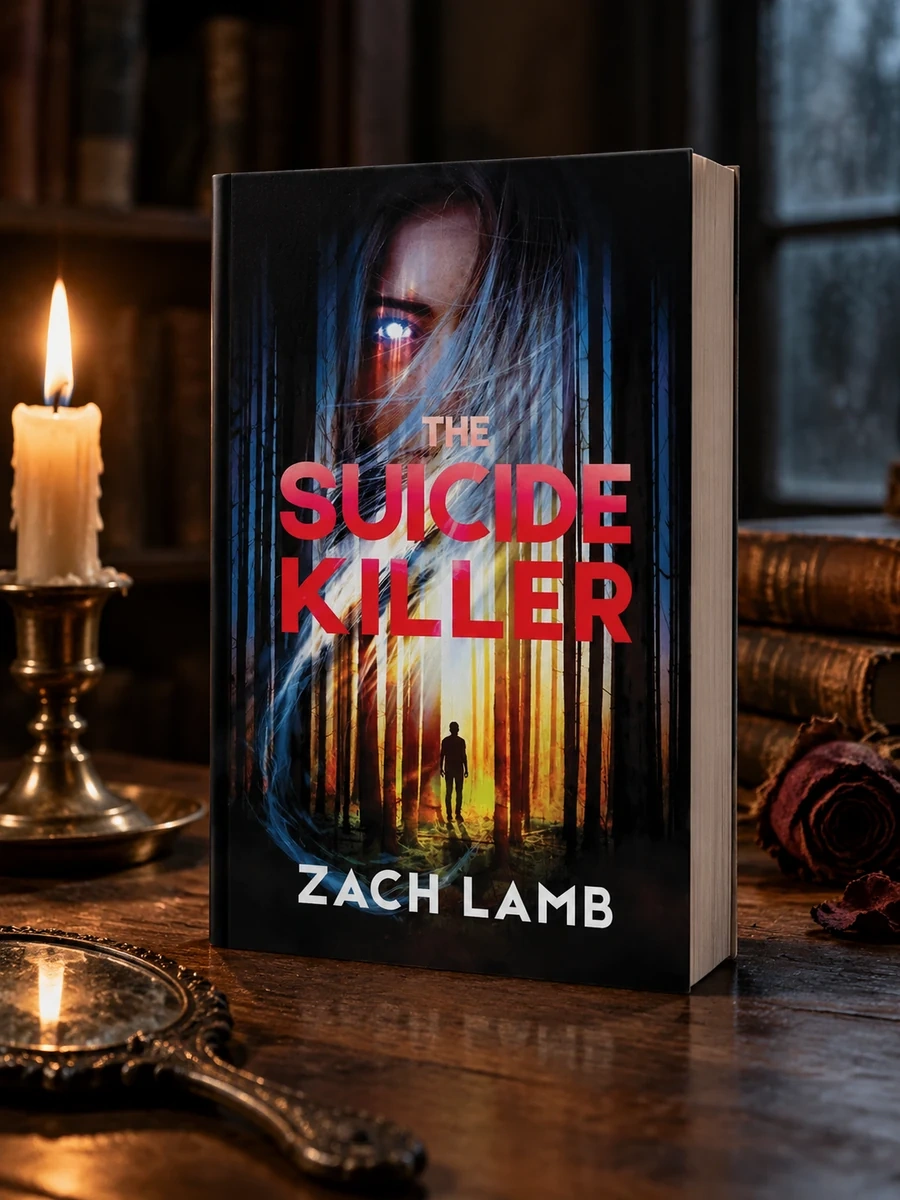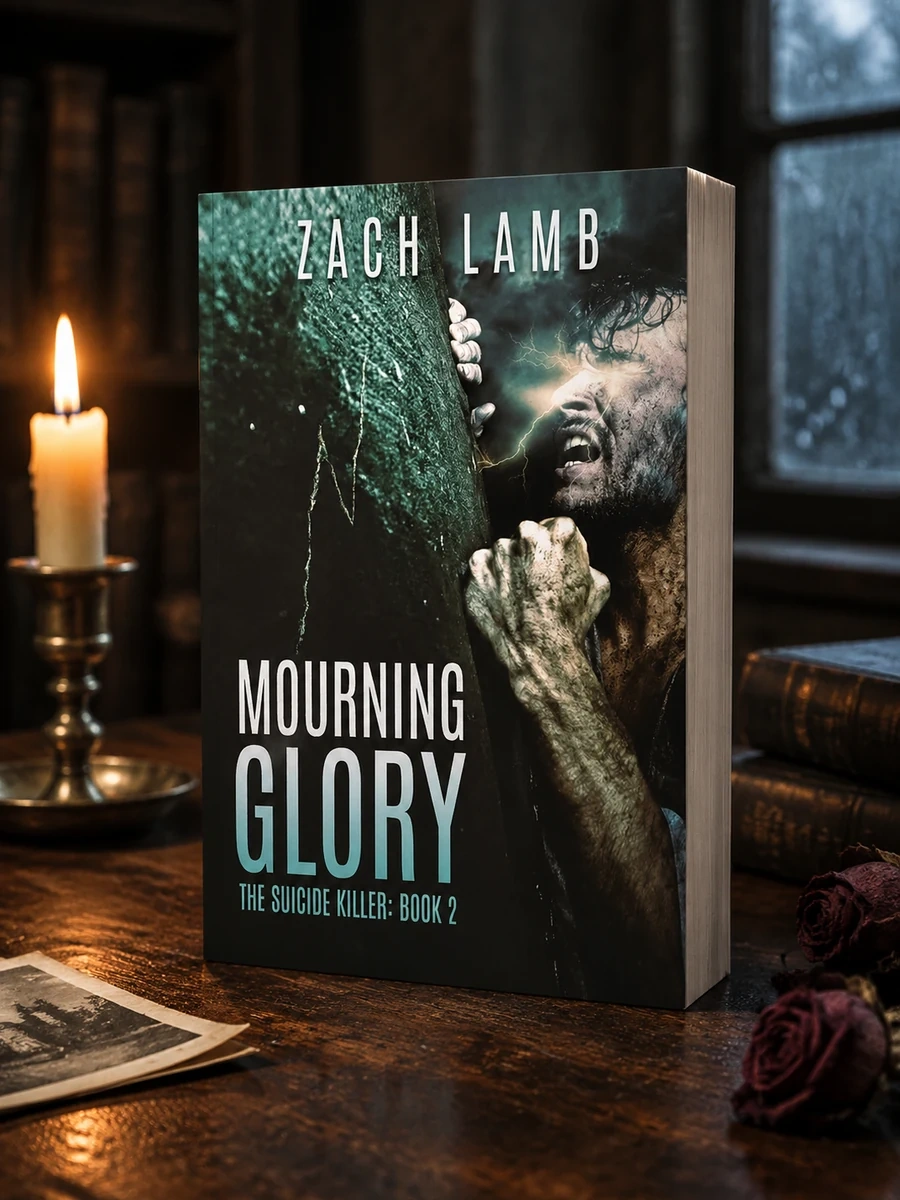
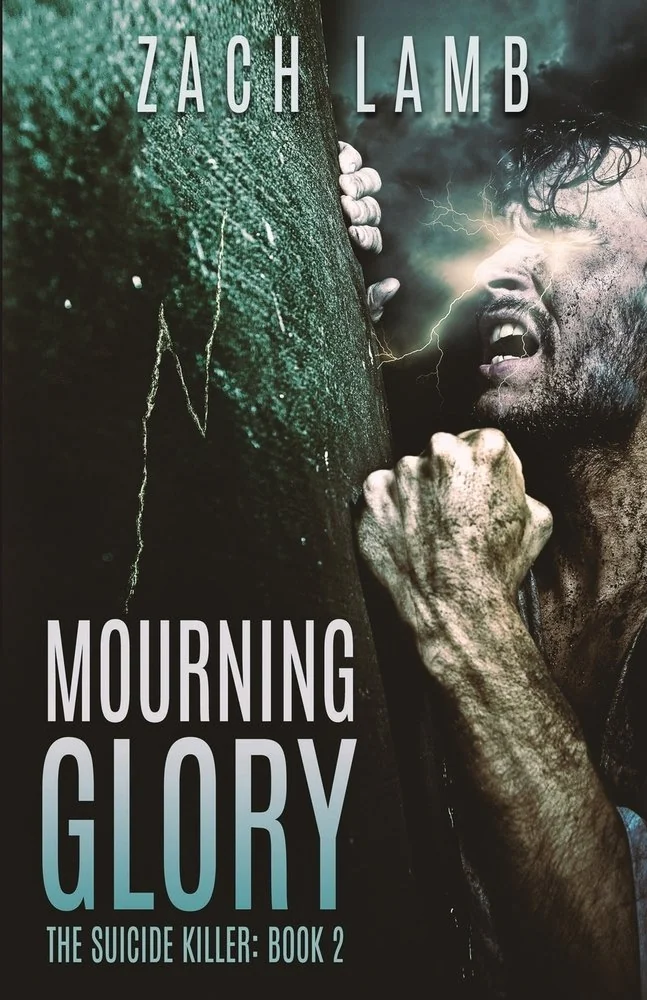
Mourning Glory: The Suicide Killer: Book 2
A thriller following detective Ivy Chandler's pursuit of The Suicide Killer in Crystal Valley.
The narrative shifts focus from Greg Burns to Ivy Chandler as she takes over the infamous case. Bobby Cotton continues his preparations for violence while evading capture. The plot tracks Ivy's determination to succeed where others failed. She encounters the killer directly through phone calls that force her into dangerous proximity. The story examines the psychological state of both the hunter and the hunted within a small city setting.
This book sits within the contemporary American thriller genre, specifically the subgenre of serial killer fiction. It draws on traditions of police procedurals and psychological horror. The setting is Crystal Valley, a fictional US city that provides a confined backdrop for the cat-and-mouse game between Ivy Chandler and Bobby Cotton.


📝 Description: Mourning Glory: The Suicide Killer: Book 2
💎 Our verdict on Mourning Glory: The Suicide Killer: Book 2
📖 Why choose it
Why this book is worth reading
Readers who enjoy character-driven suspense and procedural horror will find this book compelling due to its intense cat-and-mouse dynamic between law enforcement and a serial offender. The narrative offers a deep dive into the psychological states of both the hunter, Detective Ivy Chandler, and the hunted, Bobby Cotton, providing a gritty examination of obsession and trauma. It is ideal for those who appreciate tension built through direct conflict and phone calls that force dangerous proximity rather than action-heavy sequences. However, it may not suit readers seeking lighthearted mysteries or resolved endings without lingering dread, as the story centers on the psychological toll of hunting a killer who believes true glory lies in mourning.
⭐ Reader reviews
Reader rating
Zach Lamb delivers a tense installment that effectively shifts focus to Detective Ivy Chandler as she pursues The Suicide Killer in Crystal Valley. The novel excels in its portrayal of the psychological toll on both hunter and hunted, creating a claustrophobic atmosphere within a small-city setting. By utilizing direct phone communications, the author forces the protagonist into dangerous proximity, heightening the suspense without relying on explicit gore. This approach suits fans of character-driven procedural horror who value internal conflict over external spectacle. The narrative avoids easy resolutions, maintaining a sense of dread that lingers long after the final page. It is a solid choice for those who prefer psychological depth in their crime fiction.