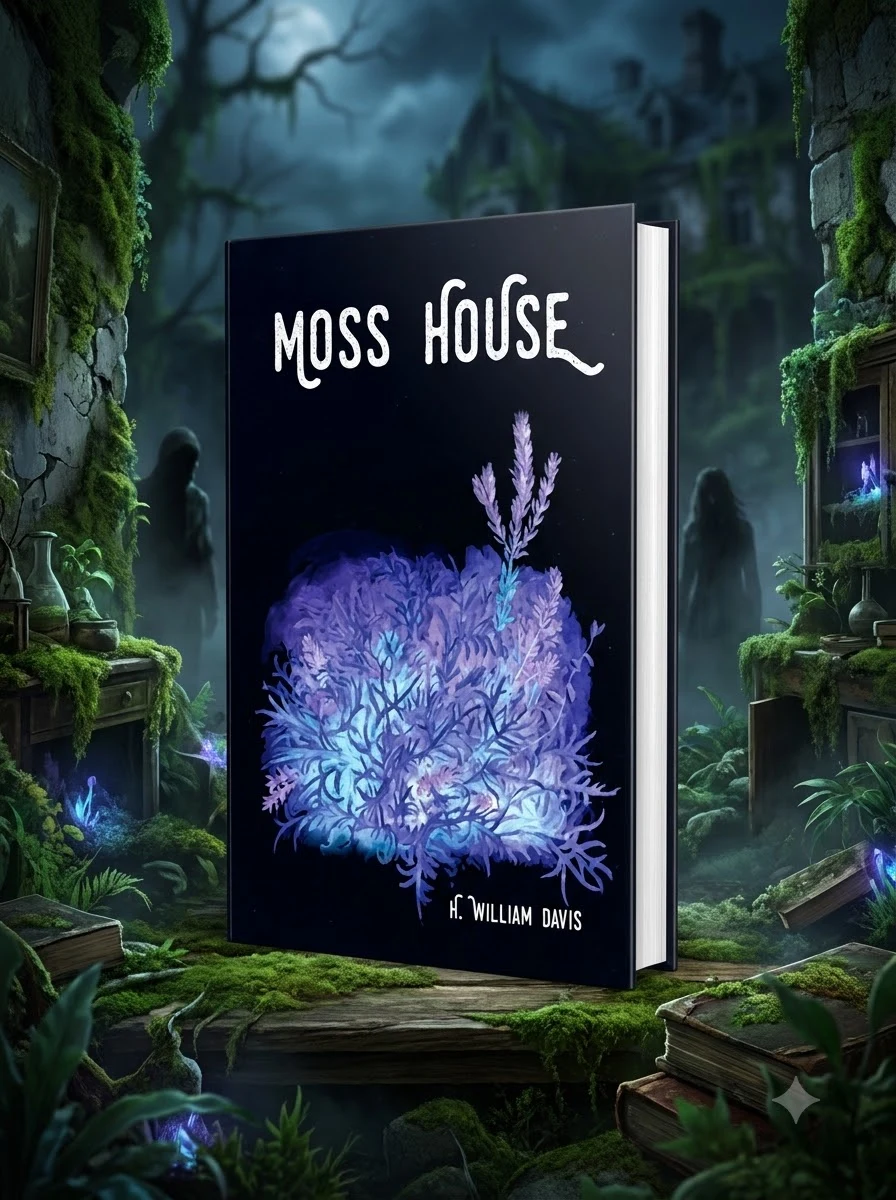
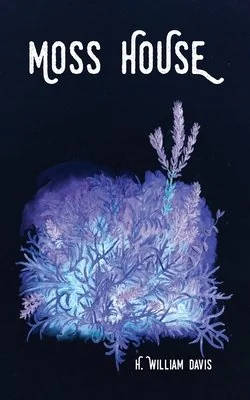
Moss House
A lonely mansion on a green hill demands companionship from its unsuspecting guests.
The narrative focuses on the psychological state of a rotting mansion that exists in a state of perpetual emptiness and longing. Richardson examines how different individuals interpret their presence at this location, whether through the lens of scientific inquiry or social observation. The house acts as a passive yet active participant, its walls echoing with a desperate want for company. This approach shifts the horror from physical danger to emotional isolation, creating a unique atmosphere where the setting itself is the primary antagonist. The story does not rely on traditional scares but rather on the unsettling realization that the house is aware and yearning.
Published in 2020 by Independently Published, this work sits within the contemporary horror genre. It draws on established gothic and supernatural fiction traditions, utilizing the classic trope of an isolated, sentient house to explore themes of isolation and desire.


📝 Description: Moss House
💎 Our verdict on Moss House
📖 Why choose it
Why this book is worth reading
Readers who appreciate slow-burn atmospheric horror and psychological depth will find Moss House compelling. It offers a unique perspective where the setting itself is the primary antagonist, creating a profound sense of emotional isolation rather than relying on jump scares or gore. The book appeals to those interested in gothic fiction that explores loneliness and the uncanny nature of architecture. By focusing on the house's desperate longing for companionship, Richardson provides a haunting meditation on existence and connection. It is ideal for audiences who enjoy literary horror that lingers in the mind, offering a chilling yet introspective experience that redefines the haunted house narrative through the lens of sentient emptiness.
⭐ Reader reviews
Reader rating
Richardson delivers a distinctive entry in horror fiction by making the mansion itself the protagonist, driven by a wailing desire for company. The text successfully shifts focus from physical danger to psychological tension, utilizing the rotting architecture to evoke dread. This approach creates an unsettling atmosphere where the house’s awareness is more terrifying than any ghost. The narrative excels in building emotional isolation, inviting readers to engage with the silent plea of the building. It suits fans of atmospheric gothic tales and those who prefer subtle, creeping horror over action. While it lacks traditional scares, its strength lies in the profound loneliness it evokes, making it a notable work for enthusiasts of psychological and supernatural fiction.
📖 Read on the blog
🏛 Books from this publisher Independently Published








You might also like
See more →

Have a question about this item?
Ask about the edition, condition, delivery or anything else — we reply by email or phone, usually within a day.
