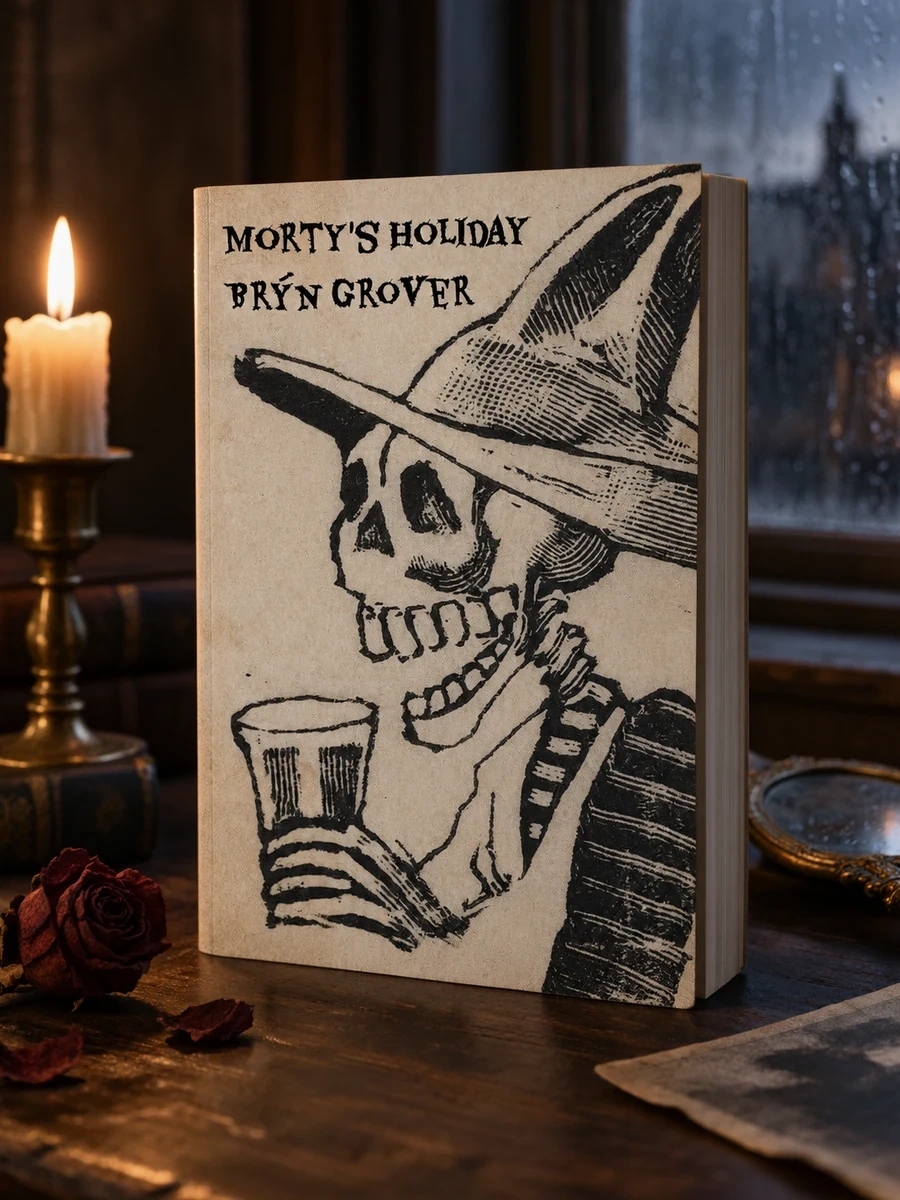
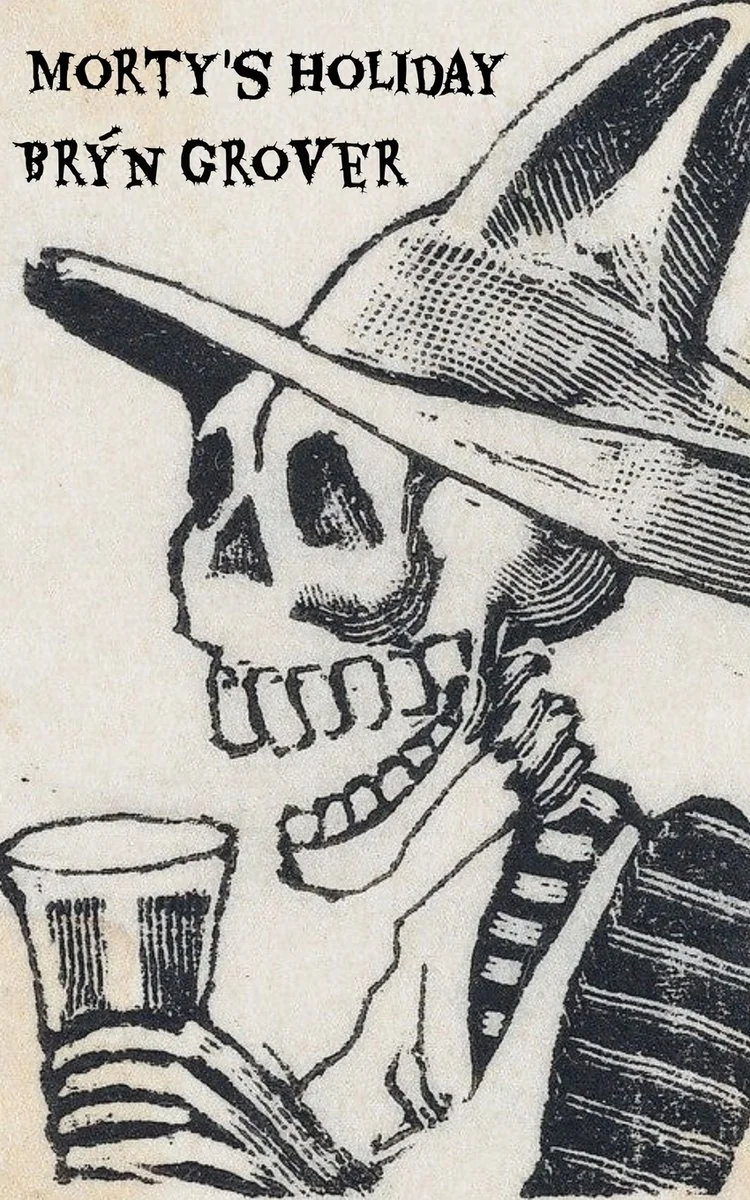
Morty's Holiday
A burned-out Grim Reaper faces chaos on a cruise vacation.
The novella centers on an exhausted Grim Reaper who takes a rare break from his duties. He boards a cruise ship expecting silence and relaxation, but his presence triggers a cascade of disasters. The story tracks his reluctant involvement in various accidents and misfortunes that unfold around him. Grover uses this premise to explore the difficulty of disconnecting from one’s professional identity. The narrative does not offer a standard horror experience but rather a comedic look at divine bureaucracy. The protagonist’s attempts to remain invisible fail as he becomes the center of attention for all the wrong reasons. This approach allows for a critique of modern work-life balance through a supernatural lens.
The book sits within the horror comedy genre, published in 2026 by Bryn. It recontextualizes the ancient figure of death for a modern audience interested in workplace satire and supernatural fiction.


📝 Description: Morty's Holiday
💎 Our verdict on Morty's Holiday
📖 Why choose it
Why this book is worth reading
Readers who appreciate dark humor and supernatural fiction will find this novella particularly engaging. It offers a refreshing subversion of the classic horror figure by portraying death as an overworked employee rather than a terrifying entity. Those seeking a lighter take on mortality, focusing on character frustration and resulting mayhem rather than fear, will enjoy the comedic look at divine bureaucracy. The book is ideal for anyone interested in a critique of modern work-life balance through a supernatural lens, providing entertainment through the protagonist's failed attempts to remain invisible amidst chaos.
⭐ Reader reviews
Reader rating
Grover successfully balances dark humor with supernatural fiction by juxtaposing traditional death archetypes against the absurdity of cruise ship life. The narrative excels in highlighting the irony of an agent of death unable to escape his nature even on leave. This approach creates a unique tone where supernatural expectations clash with mundane reality. It suits readers who enjoy subversions of classic horror figures and appreciate comedic takes on professional identity. While it lacks traditional gothic atmosphere, its strength lies in character-driven satire rather than theological exploration or serious horror.
You might also like
See more →







Have a question about this item?
Ask about the edition, condition, delivery or anything else — we reply by email or phone, usually within a day.
