More Gore from Cleveland: Another 13 Lovecrafted Tales
Craig Webb expands his Lovecraftian horror series across Ohio landscapes.
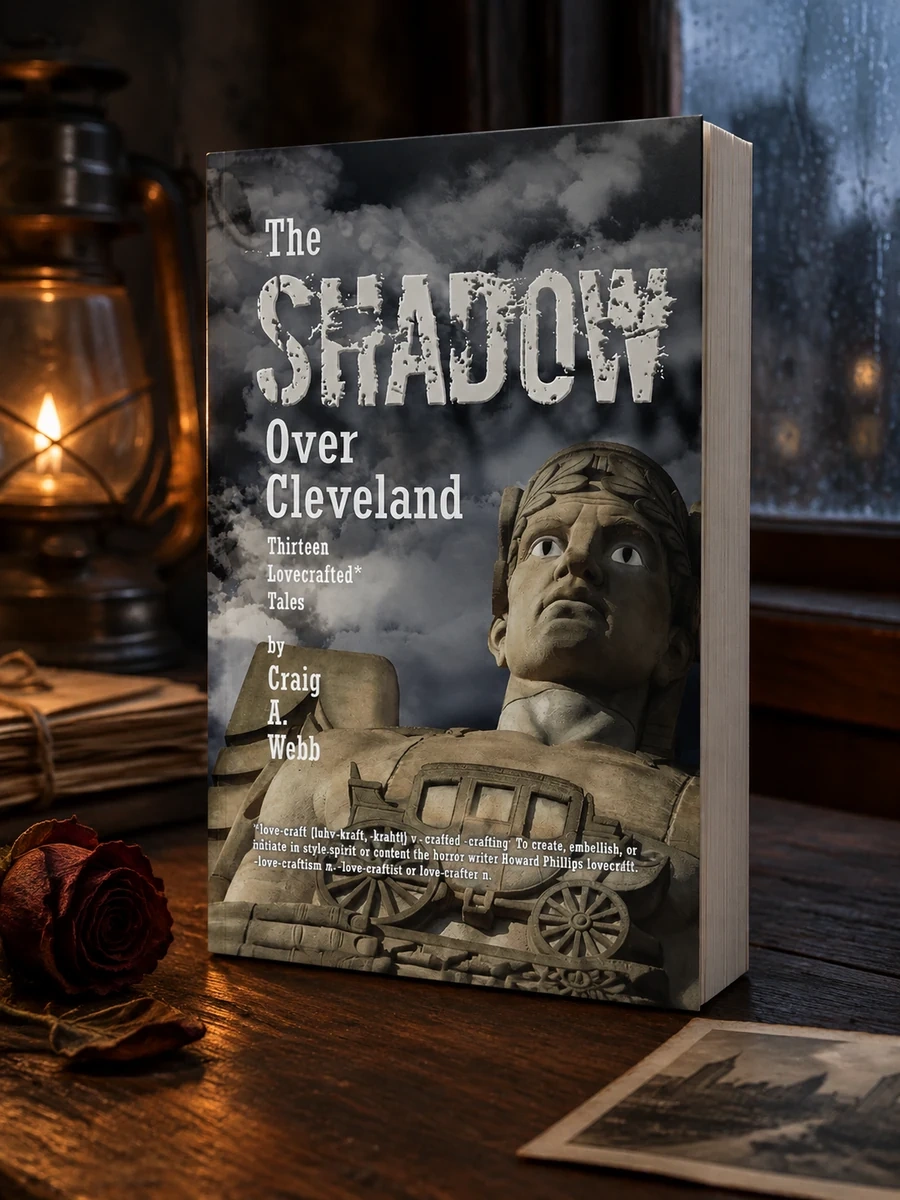
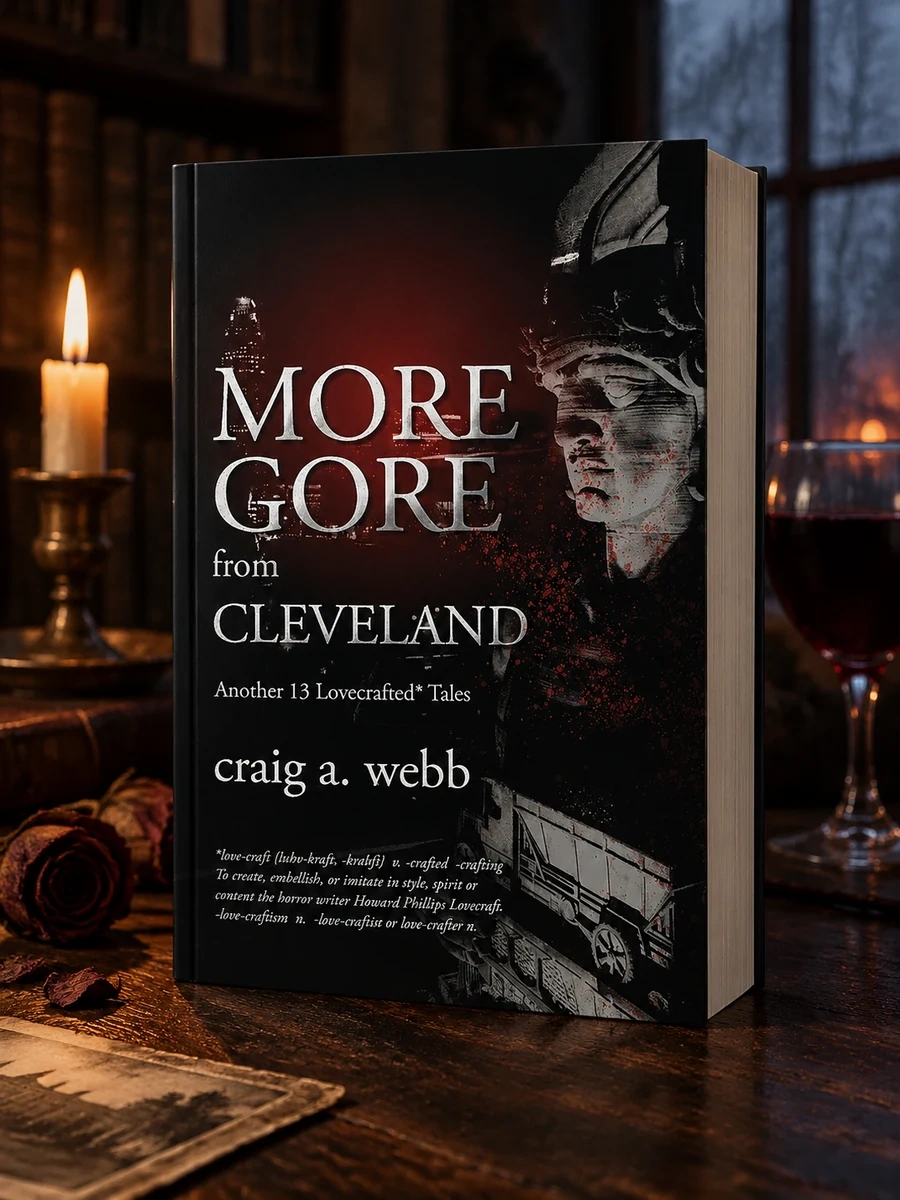
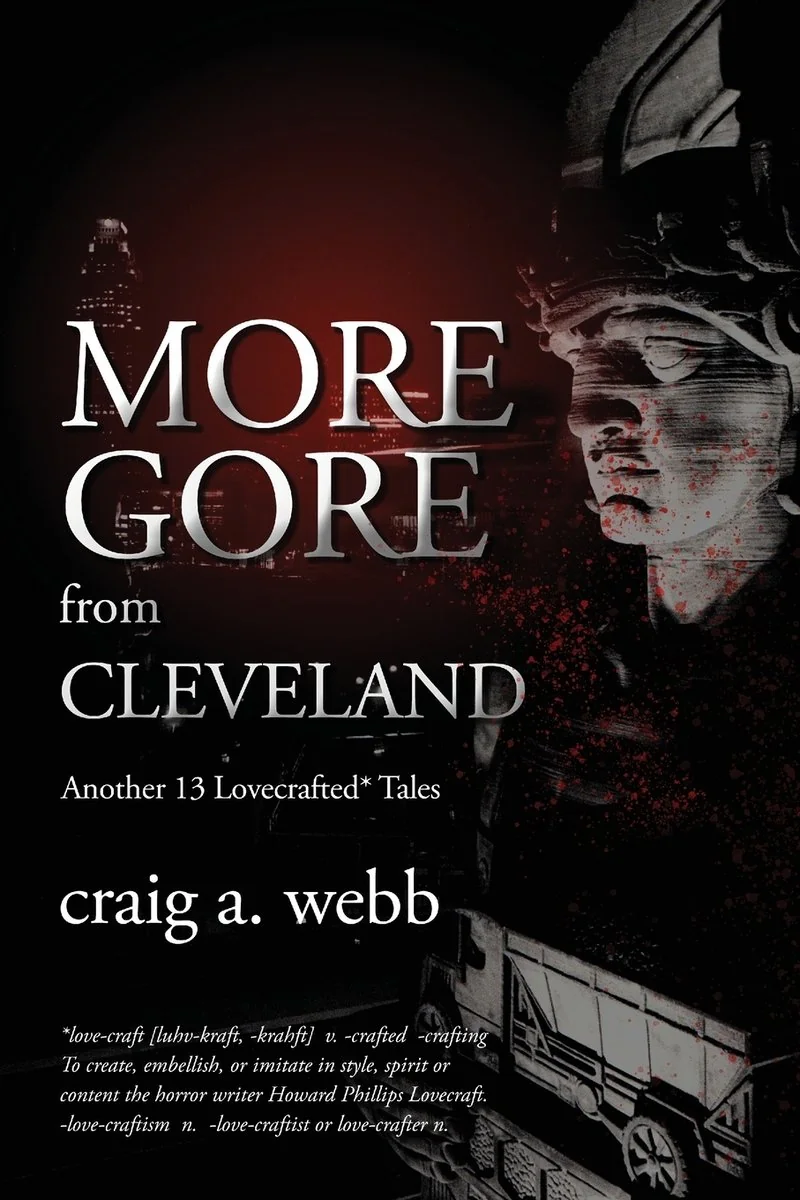
Webb’s latest work connects the menace of The Shadow Over Cleveland to new geographical areas. The narrative follows an infestation moving west from Lake Erie and south into rural zones. Characters face monsters that are both strange and recognizable. The author uses Lovecraftian tropes to depict a spreading corruption. This approach creates a cohesive yet terrifying experience for those who read the first book. The stories do not offer escape, only deeper immersion in the horror.
This 2025 release by Burning River Productions continues a specific fictional universe started in The Shadow Over Cleveland. It grounds cosmic horror in real Ohio locations like Lake Erie and Sandusky, appealing to readers of regional supernatural fiction who appreciate the legacy of H.P. Lovecraft.


📝 Description: More Gore from Cleveland: Another 13 Lovecrafted Tales
💎 Our verdict on More Gore from Cleveland: Another 13 Lovecrafted Tales
📖 Why choose it
Why this book is worth reading
Readers who appreciate the slow-burn dread of cosmic horror will find this volume deeply satisfying as it extends the terrifying narrative begun in The Shadow Over Cleveland. Craig Webb offers a cohesive experience for those familiar with his previous work, drawing fans deeper into an infestation that moves from Lake Erie toward rural zones and national parks. The book is ideal for audiences who enjoy regional horror set in the American Midwest, particularly those who prefer atmospheric dread over heroic resolutions. It appeals to individuals seeking immersion in a spreading corruption where characters face both strange monsters and recognizable threats. Fans of Lovecraftian fiction will find Webb’s use of tradition effective in depicting unavoidable doom without offering easy escape or lighthearted supernatural relief.
⭐ Reader reviews
Reader rating
Webb excels at maintaining an ominous tone while expanding the geographical scope of his horror series. The collection effectively blends bizarre monsters with familiar threats, illustrating how contagion affects diverse communities from Amish fringes to vacation lands. By avoiding easy resolutions, the text creates a pervasive sense of doom that permeates the Ohio landscape. This approach suits readers who enjoy observing ongoing figures navigating complicity or opposition to growing evil. However, those unfamiliar with the earlier Shadow Over Cleveland may find the context less impactful. The work is best appreciated by fans of Lovecraftian fiction who value atmospheric dread and regional settings over traditional narrative arcs or heroic victories in their horror literature.