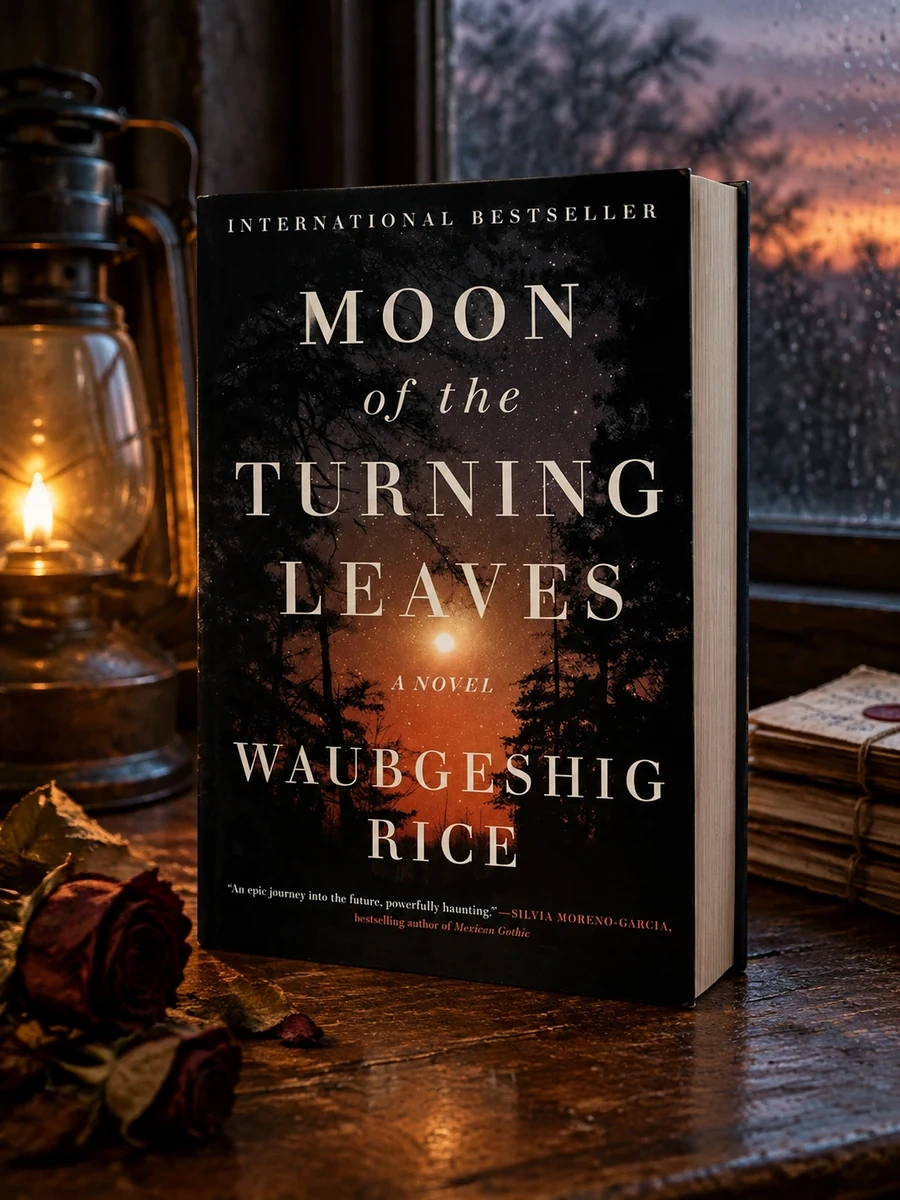
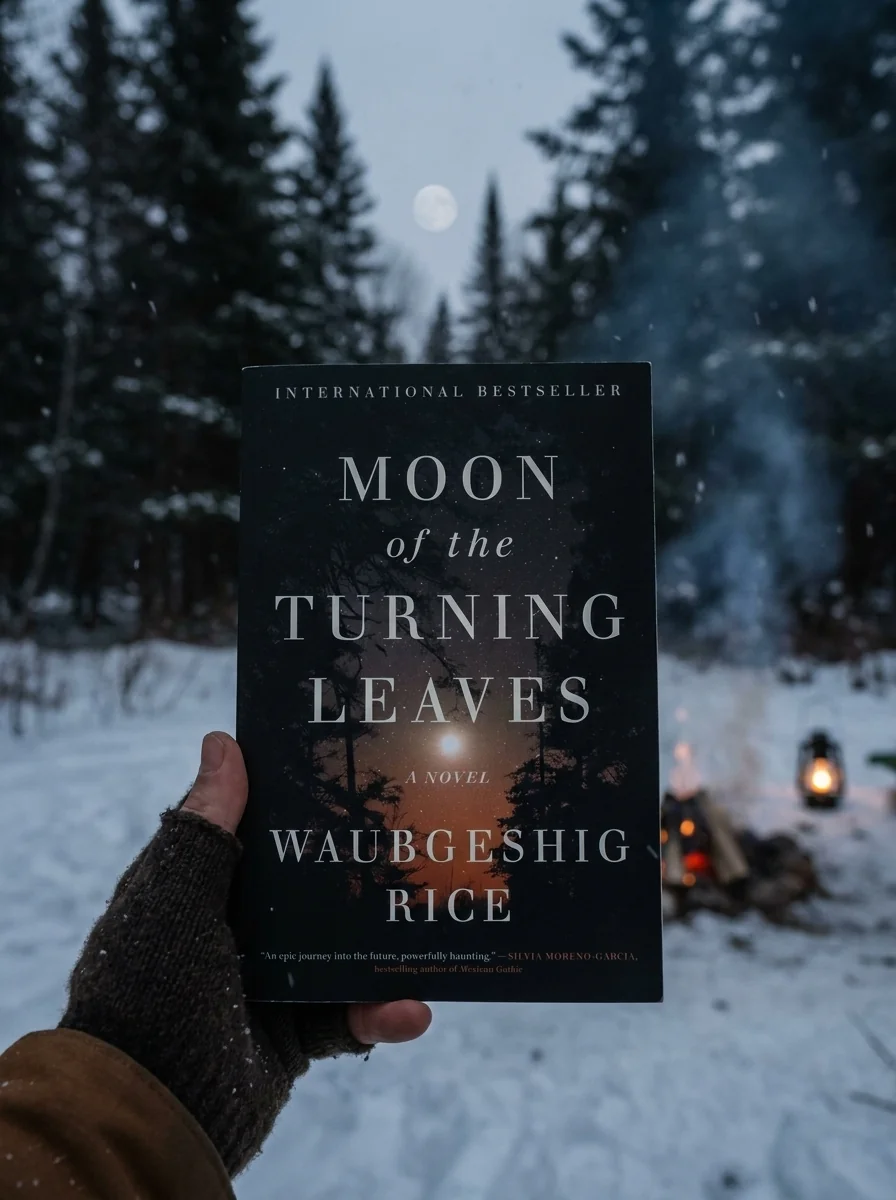
Moon of the Turning Leaves
A Canadian author blends post-apocalyptic horror with indigenous narratives.
Rice constructs a world where societal collapse intersects with deep cultural roots. The narrative does not rely on standard genre expectations. Instead, it focuses on the eerie intersection of identity and threat. Readers encounter a pace that prioritizes intellectual engagement alongside visceral tension. The story avoids established conventions to offer a fresh perspective on disaster fiction. This approach creates a lingering sense of unease. The work fits within twenty-first-century Canadian literary fiction. It appeals to those interested in how traditional fears evolve during modern collapse.
This work sits firmly within literary fiction from Canada in the twenty-first century. It merges indigenous narratives with post-apocalyptic settings. The text offers own voices perspectives within disaster and dystopian environments. Rice qualifies as a Canadian author crafting suspenseful narratives that challenge genre boundaries.


📝 Description: Moon of the Turning Leaves
💎 Our verdict on Moon of the Turning Leaves
📖 Why choose it
Why this book is worth reading
Readers who appreciate suspenseful narratives that defy conventional genre limits will find this book compelling. It offers a unique blend of horror and speculative fiction, focusing on the eerie intersection of identity and threat during societal collapse. Those interested in how traditional fears evolve in modern contexts will gain from its intellectual engagement and visceral tension. The story provides an own-voices perspective on dystopian environments, creating a lingering sense of unease rooted in cultural specificity rather than standard jump scares. It is ideal for those seeking fresh perspectives on disaster fiction that prioritize atmospheric dread and societal breakdown over established horror conventions.
⭐ Reader reviews
Reader rating
Waubgeshig Rice delivers a distinct approach to the genre by avoiding familiar horror tropes in favor of intellectual depth and visceral tension. The narrative balances existential threat with cultural identity, generating persistent atmospheric unease throughout the text. This work suits readers who enjoy suspenseful stories that challenge boundaries between supernatural terror and science fiction speculation. It is less suitable for those seeking traditional jump scares or established horror conventions. Instead, it offers a lingering sense of dread rooted in cultural specificity. The book effectively merges post-apocalyptic dread with indigenous narratives, providing a fresh perspective on disaster fiction that lingers long after the final page.
📖 Read on the blog
✍️ More books by this author Waubgeshig Rice
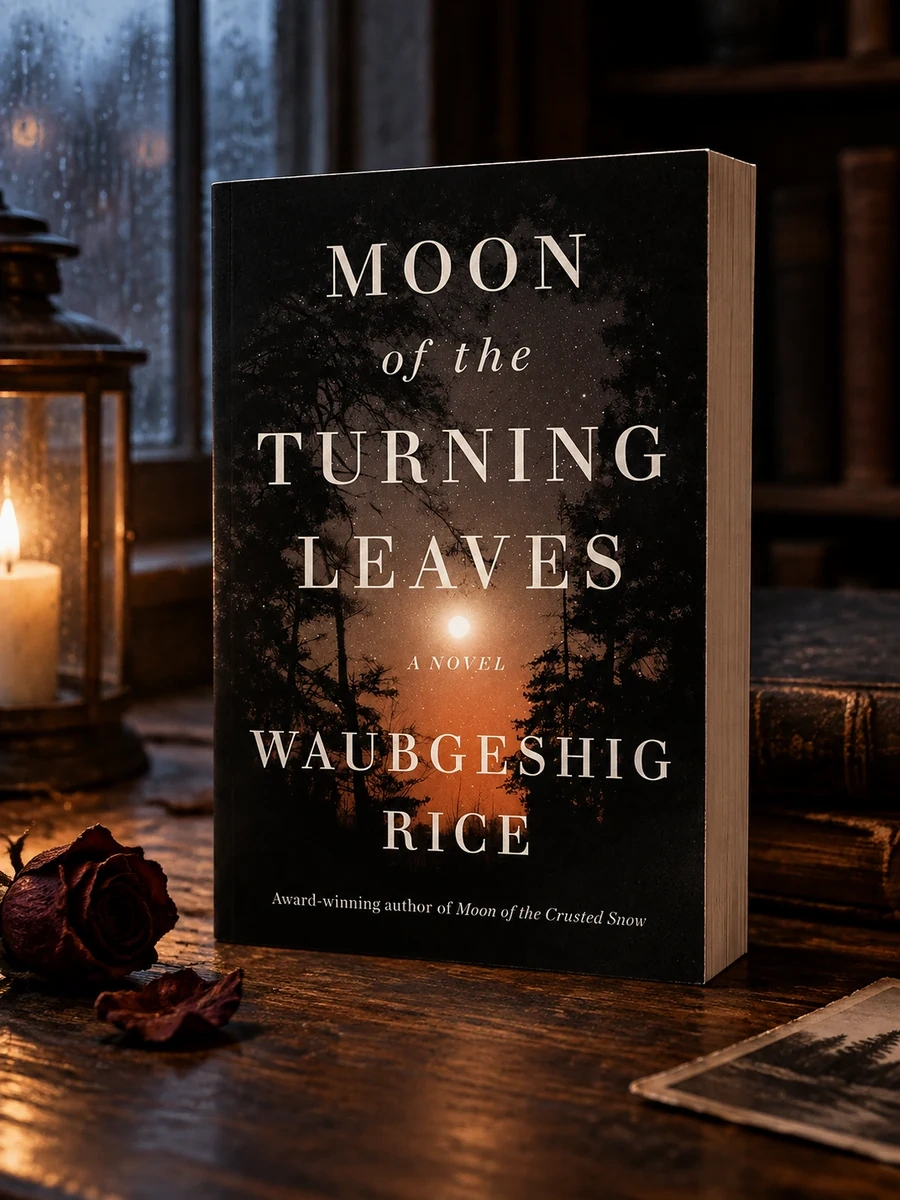


🏛 Books from this publisher William Morrow & Company

You might also like
See more →


Have a question about this item?
Ask about the edition, condition, delivery or anything else — we reply by email or phone, usually within a day.
