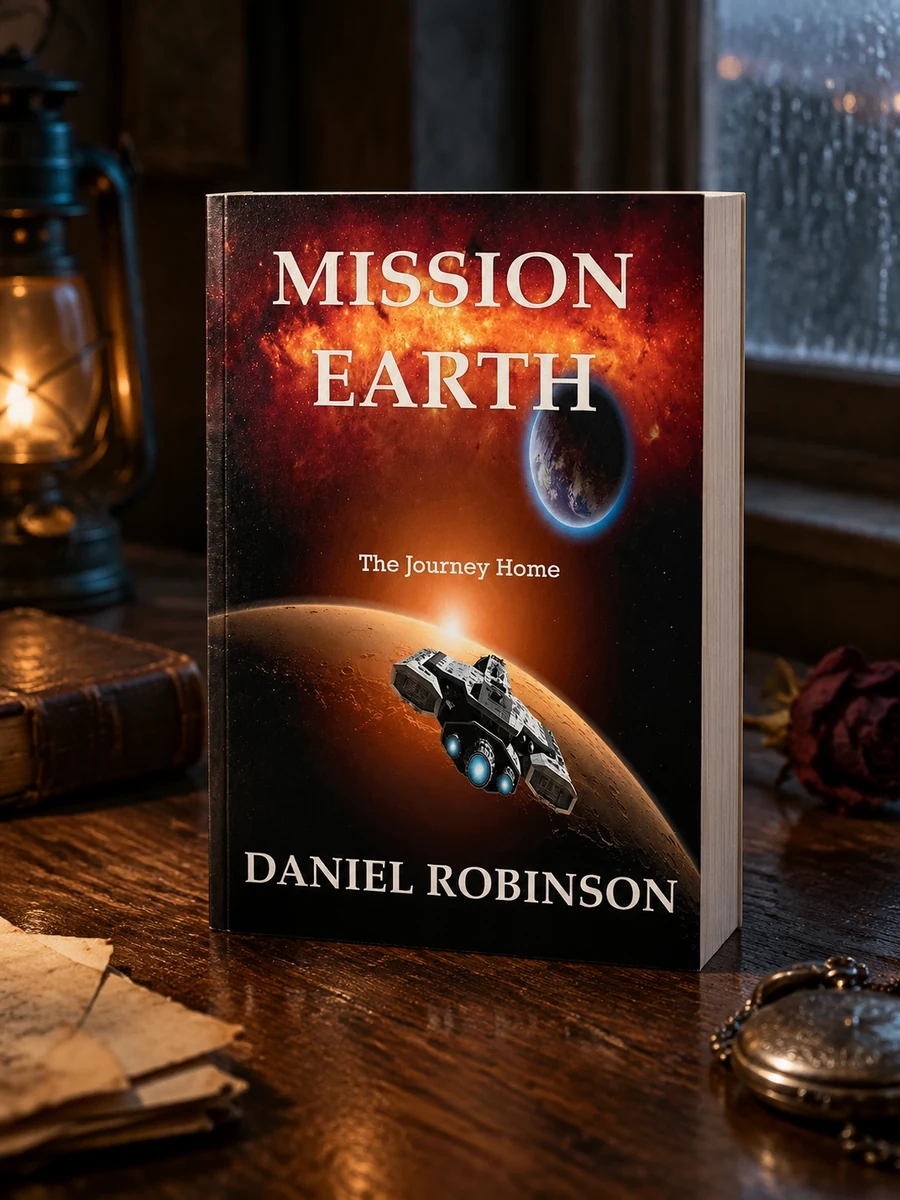
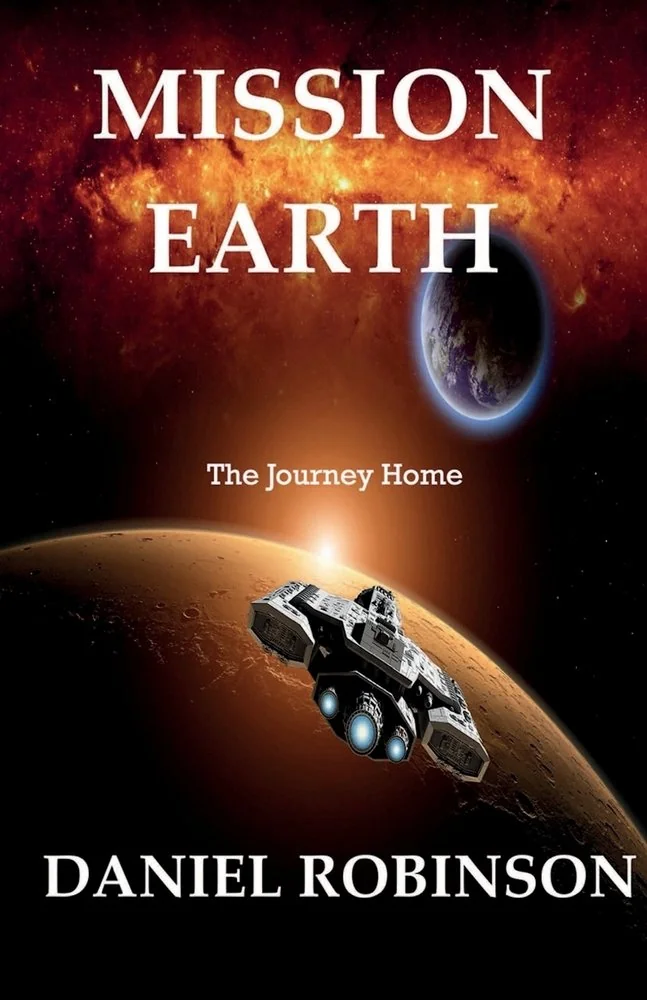
Mission Earth
A return mission reveals a changed Earth after centuries of silence.
The narrative follows two distinct groups separated by time and space. First, colonists leave Earth during a global conflict. They lose contact with their home world. Decades later, descendants of Mars settlers attempt to reclaim the planet. Their journey highlights the gap between historical records and current conditions. The story examines how isolation shapes culture and identity over generations. It questions the validity of returning to a place that no longer exists in memory. The tension arises from the expectation of restoration versus the reality of abandonment.
The story is set in a future where Earth has been abandoned for two hundred fifty years. It reflects on the aftermath of global conflict between major powers. The narrative engages with themes of colonialism and the legacy of space exploration.


📝 Description: Mission Earth
💎 Our verdict on Mission Earth
📖 Why choose it
Why this book is worth reading
Readers who enjoy speculative fiction that prioritizes atmospheric tension and philosophical inquiry over kinetic action will find this narrative compelling. It appeals to those interested in the long-term sociological and psychological effects of planetary migration and isolation. Those fascinated by the disconnect between historical memory and harsh reality, or who appreciate stories where the environment itself serves as a source of horror and mystery, will gain from Robinson's exploration of what remains after humanity departs. The book offers a meditative look at the consequences of war and silence, suitable for readers who prefer endings that emphasize discovery over closure.
⭐ Reader reviews
Reader rating
Robinson constructs a haunting meditation on displacement and the erosion of cultural memory through the lens of interplanetary migration. By juxtaposing the initial departure with the eventual return, he highlights the vast chasm between expectation and the desolate reality of an abandoned Earth. The narrative succeeds in building a pervasive sense of unease, focusing on societal shifts rather than technical details. It is best suited for readers who appreciate slow-burn psychological horror and cosmic dread. While it may disappoint those seeking fast-paced action or explicit resolution, its strength lies in the mystery of the silence and the weight of the unknown, leaving a lasting impression of existential uncertainty.
You might also like
See more →






Have a question about this item?
Ask about the edition, condition, delivery or anything else — we reply by email or phone, usually within a day.
