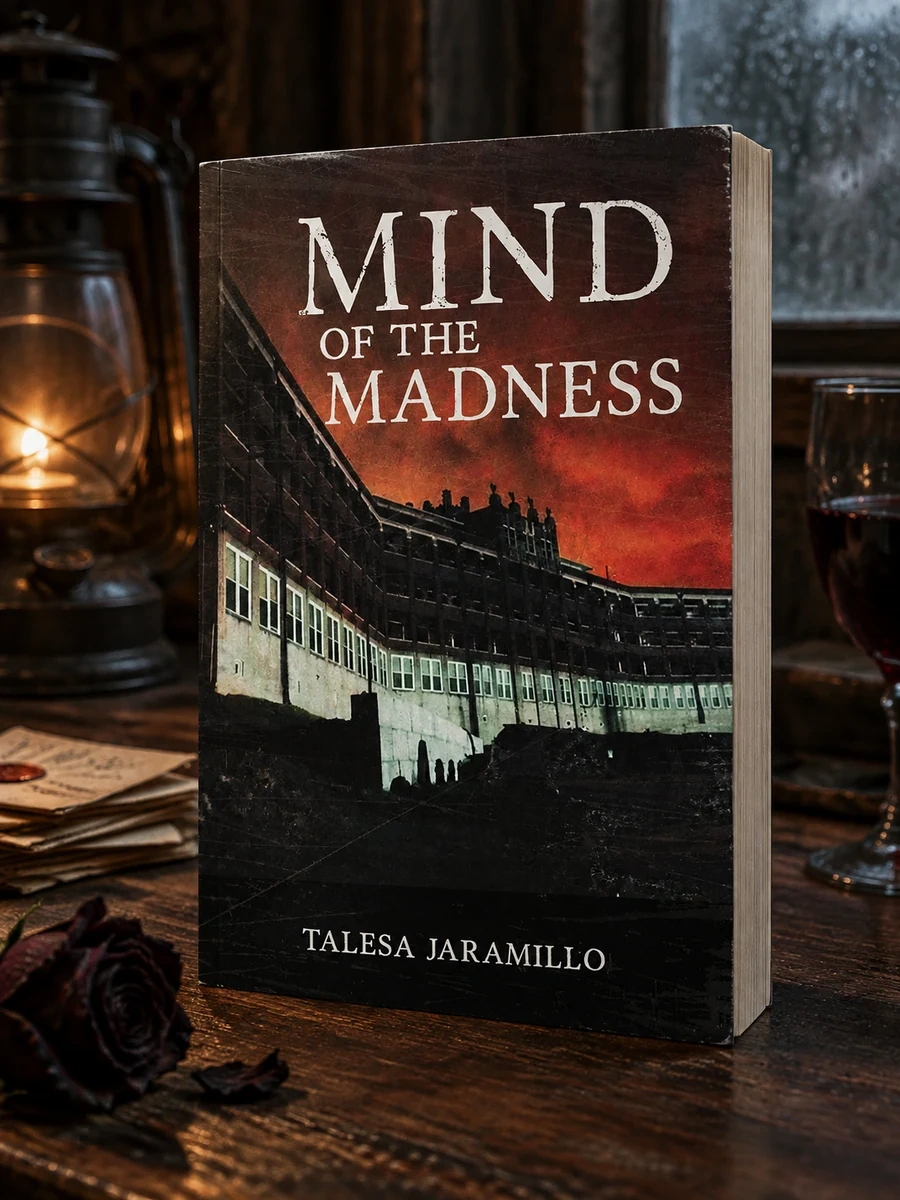
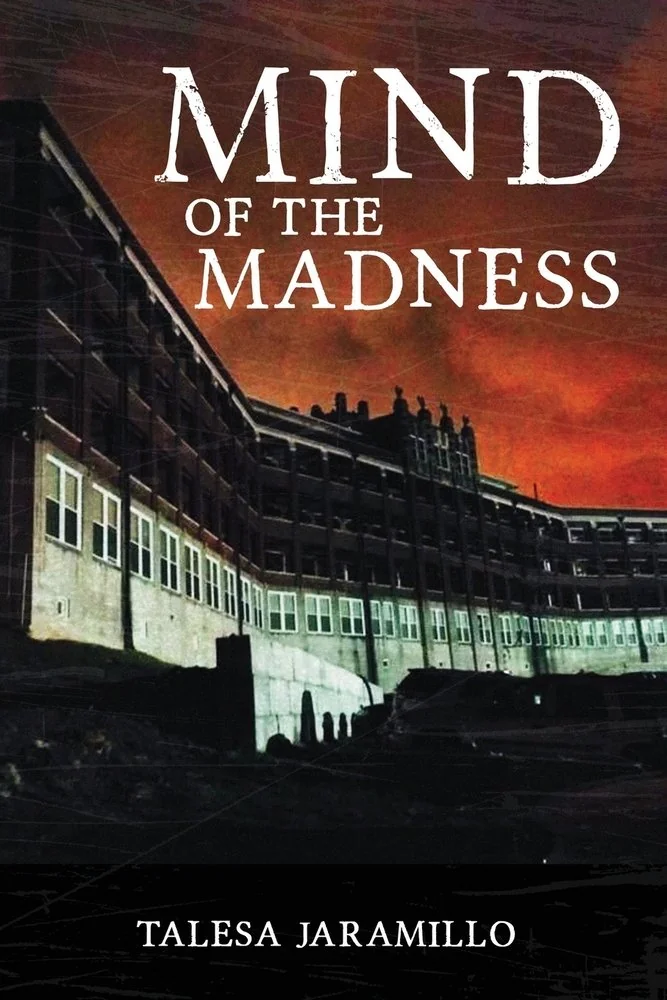
Mind Of The Madness
A man in a hidden asylum battles a creature and his own failing sanity.
The narrative centers on James Lyle, who transitions from financial prosperity to imprisonment. He faces Director Dr. Edward Holmes at the Price State Institute. The doctor conducts cruel experiments while a malevolent presence stalks Lyle. This entity forces him to relive past trauma. The plot questions whether these events are real or products of madness. Jaramillo constructs a claustrophobic atmosphere where reality dissolves. The story relies on the tension between external threats and internal collapse.
This work sits within the American horror tradition of the early 2020s. It utilizes the setting of New York forests for isolation. The narrative reflects contemporary anxieties about mental health treatment and institutional authority.


📝 Description: Mind Of The Madness
💎 Our verdict on Mind Of The Madness
📖 Why choose it
Why this book is worth reading
This book is essential for readers who crave atmospheric dread and psychological complexity over simple scares. It appeals to those interested in the fragility of the human mind under extreme duress, offering a claustrophobic exploration of sanity versus madness. Fans of ambiguous narratives will appreciate the tension between external threats and internal collapse. It suits individuals who enjoy gothic traditions of isolated institutions and supernatural horror. The text provides a compelling look at how trauma manifests when reality dissolves, making it ideal for those seeking unsettling, thought-provoking fiction rather than light entertainment or clear resolutions.
⭐ Reader reviews
Reader rating
Talesa Jaramillo constructs a deeply unsettling narrative that thrives on ambiguity and psychological tension. The novel excels in maintaining a claustrophobic atmosphere, effectively blurring the lines between external malevolence and internal mental decay. By placing James Lyle within the confines of the Price State Institute, the author leverages gothic isolation to amplify the horror. The portrayal of Dr. Edward Holmes adds a layer of institutional menace that feels both personal and systemic. While the lack of clear resolution may frustrate some, it is precisely this ambiguity that defines the work’s power. It is best suited for readers who enjoy slow-burn psychological horror and are comfortable with narrative uncertainty.
You might also like
See more →







Have a question about this item?
Ask about the edition, condition, delivery or anything else — we reply by email or phone, usually within a day.
