Middleshade Road
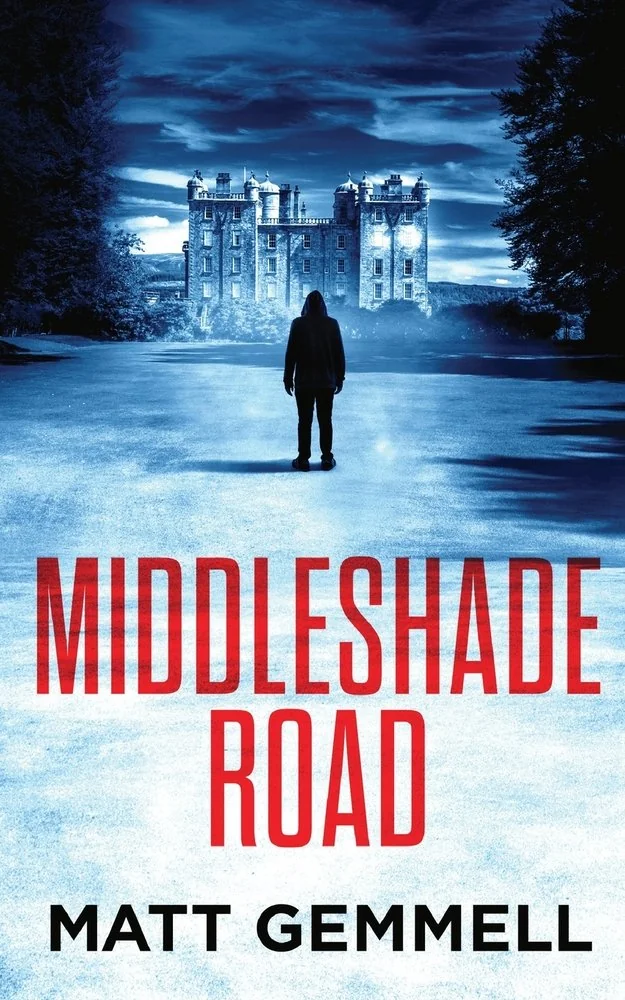
A man confronts a haunted house that manifests his repressed trauma in northern Scotland.
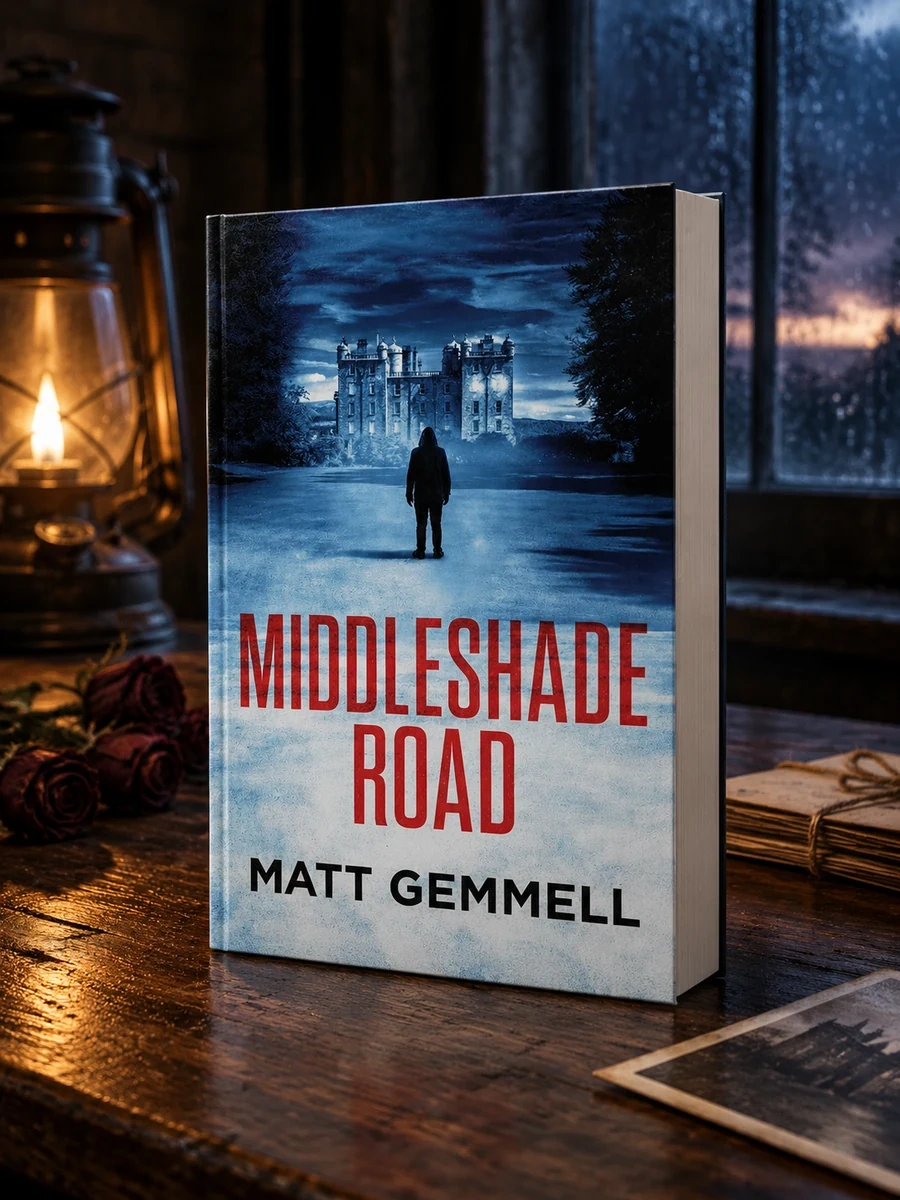
Gemmell constructs a psychological horror narrative where the setting acts as an antagonist. The plot unfolds through Dair Lewis’s investigation of his mother’s death, revealing that Pale House is not merely a building but a living entity. The structure shifts and distorts, reflecting Lewis’s internal state. This approach merges the gothic tradition of ancestral curses with modern psychological horror. The story avoids traditional ghost stories, focusing instead on the physical manifestation of guilt and fear. The pacing builds tension through isolation and the gradual realization that the house is hunting him. Gemmell uses the environment to externalize internal conflict, making the architecture itself a source of terror.
The novel is set in the far north of Scotland, utilizing the region’s isolated landscape to enhance the sense of dread. Published in 2022, it engages with contemporary gothic fiction by focusing on psychological horror rather than supernatural spectacle. The setting provides a specific cultural backdrop for exploring themes of estrangement and return.


📝 Description: Middleshade Road
💎 Our verdict on Middleshade Road
📖 Why choose it
Why this book is worth reading
Readers seeking atmospheric dread and complex family dynamics will find this book compelling. It appeals to those who enjoy haunted house narratives where the setting acts as an antagonist. The story is ideal for fans of psychological horror that externalizes internal conflict through architecture. Those interested in Scottish settings and repressed trauma will appreciate the nuanced exploration of guilt. The narrative offers a claustrophobic struggle rather than easy answers, providing a disorienting yet rewarding experience for those who embrace shifting realities.
⭐ Reader reviews
Reader rating
Gemmell constructs a masterful psychological horror where Pale House serves as a living entity reflecting the protagonist's repressed trauma. The architectural distortion effectively externalizes internal conflict, creating a unique source of terror. This approach merges gothic ancestral curses with modern psychological depth, avoiding traditional ghost stories in favor of physical manifestations of guilt. The pacing builds tension through isolation and the gradual realization that the house is hunting its inhabitant. It suits readers who enjoy atmospheric thrillers and complex family dynamics. Those seeking fast-paced action may find the shifting reality disorienting, but fans of slow-burn dread will appreciate the claustrophobic intensity.
You might also like
See more →







Have a question about this item?
Ask about the edition, condition, delivery or anything else — we reply by email or phone, usually within a day.
