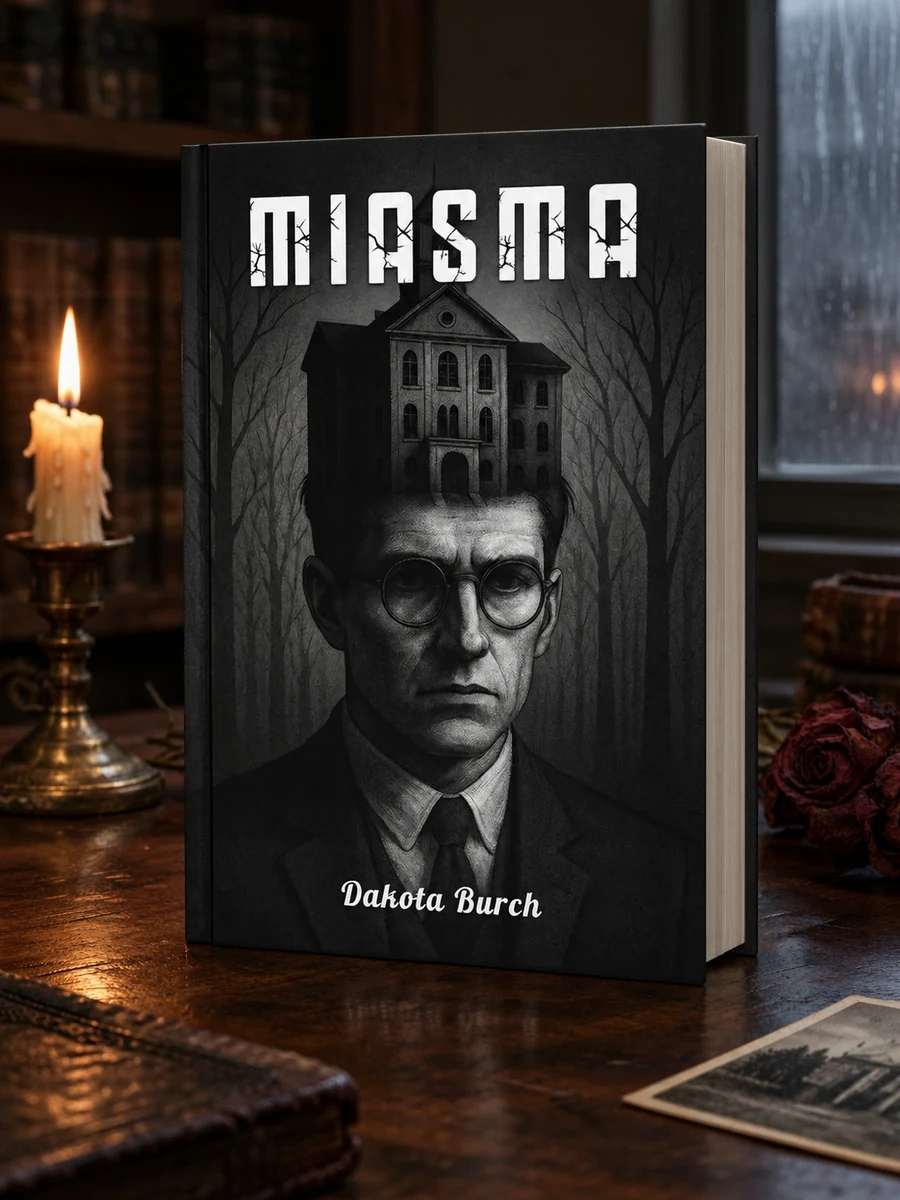
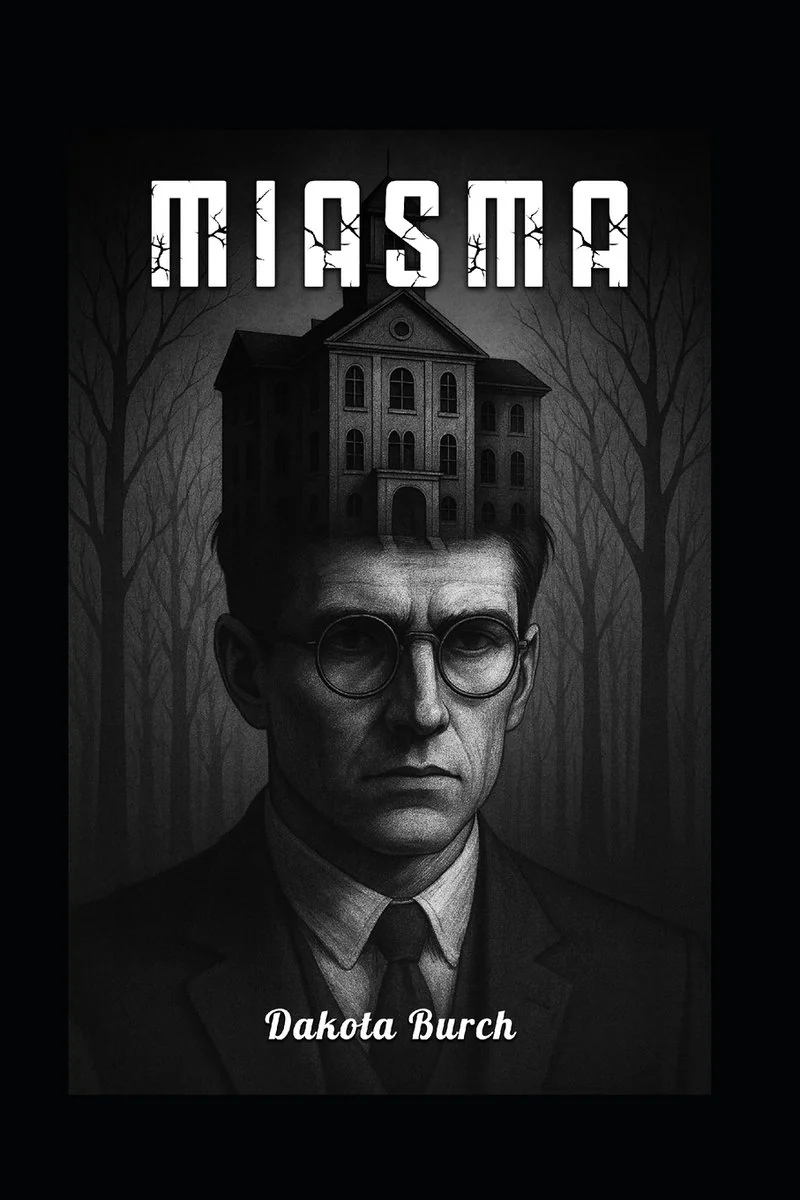
Miasma
A writer's research trip to a London mental institution blurs reality in this early 2000s horror novel by Dakota Burch.
This novel examines the fragile boundary between fact and fiction through the eyes of a novelist. Burch places his character in a London psychiatric facility, using the sterile environment to heighten internal dread. The plot unfolds through a sequence of disorienting events that serve as reality checks. The author utilizes the cultural backdrop of the early 2000s to create an atmosphere of analog unease. The story avoids traditional jump scares, focusing instead on psychological erosion. Readers who enjoy the atmospheric tension of turn-of-the-century horror will find resonance here. The narrative structure mirrors the protagonist's mental state, offering a cohesive and unsettling experience.
The book is set in London during the early 2000s. It explicitly references the horror style of the late 1990s and early 2000s. The setting provides a specific temporal context for the psychological tension. The author targets fans of that particular era's genre conventions.


📝 Description: Miasma
💎 Our verdict on Miasma
📖 Why choose it
Why this book is worth reading
Readers who appreciate atmospheric tension and psychological erosion over jump scares will find resonance in this novel. It appeals to those drawn to the fragile boundary between fact and fiction, offering a cohesive experience that mirrors the protagonist's mental instability. The book is ideal for enthusiasts of early 2000s horror aesthetics who enjoy slow-burn dread within clinical settings. By avoiding traditional monsters, it provides a focused study on identity and perception through a gothic lens. Those seeking deliberate pacing and internal dread rather than fast-paced action will gain the most from this unsettling exploration of reality.
⭐ Reader reviews
Reader rating
Burch delivers a masterclass in psychological horror by situating his narrative within a sterile London psychiatric facility. The novel excels at blurring the line between observation and experience, creating a pervasive sense of confusion that challenges the reader's perception alongside the protagonist. Its structure effectively mirrors the main character’s deteriorating mental state, offering a deeply unsettling yet cohesive journey. The reliance on analog unease and gothic undertones distinguishes it from modern technological horror. While the deliberate pacing may deter those seeking immediate thrills, it rewards patient readers with a profound examination of identity and the instability of the human mind.
📖 Read on the blog
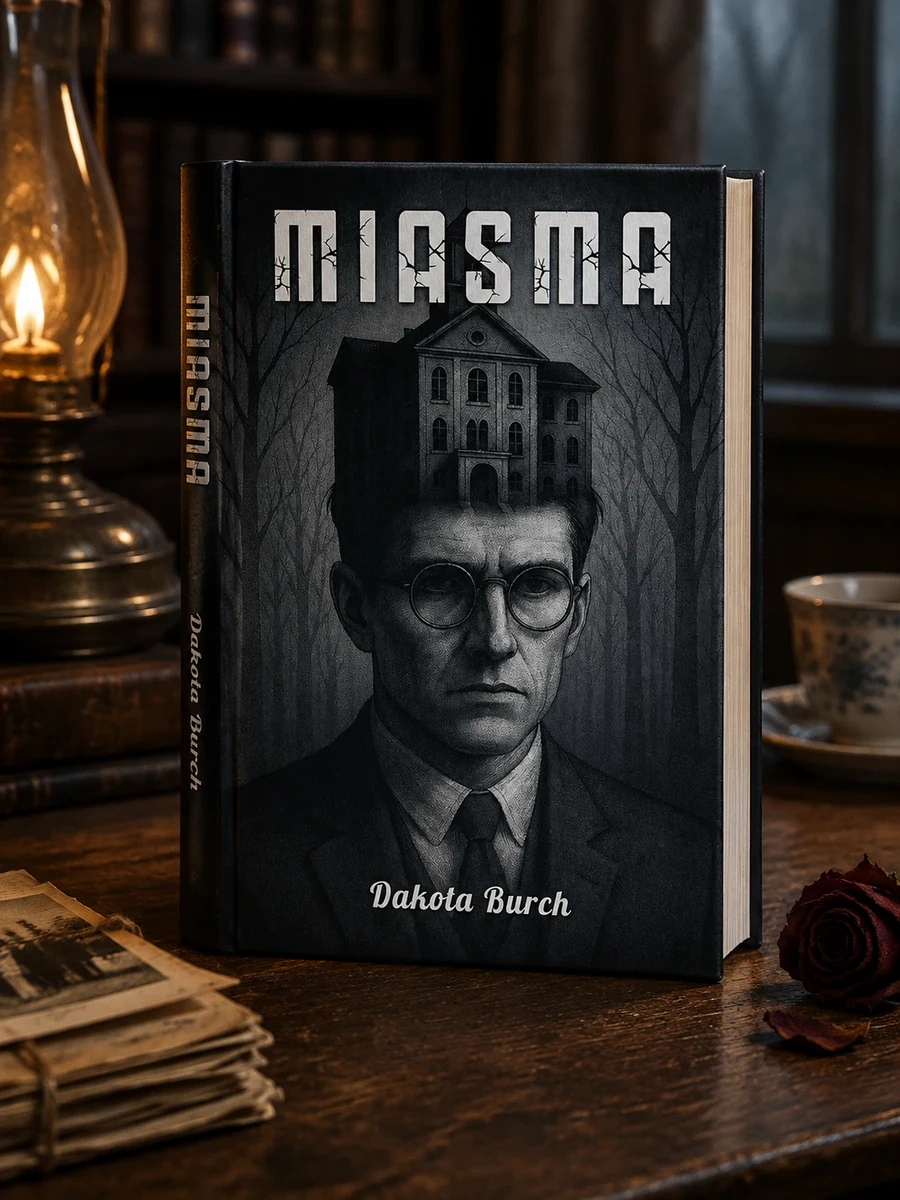
✍️ More books by this author Dakota Burch


🏛 Books from this publisher Independently Published






You might also like
See more →



Have a question about this item?
Ask about the edition, condition, delivery or anything else — we reply by email or phone, usually within a day.
