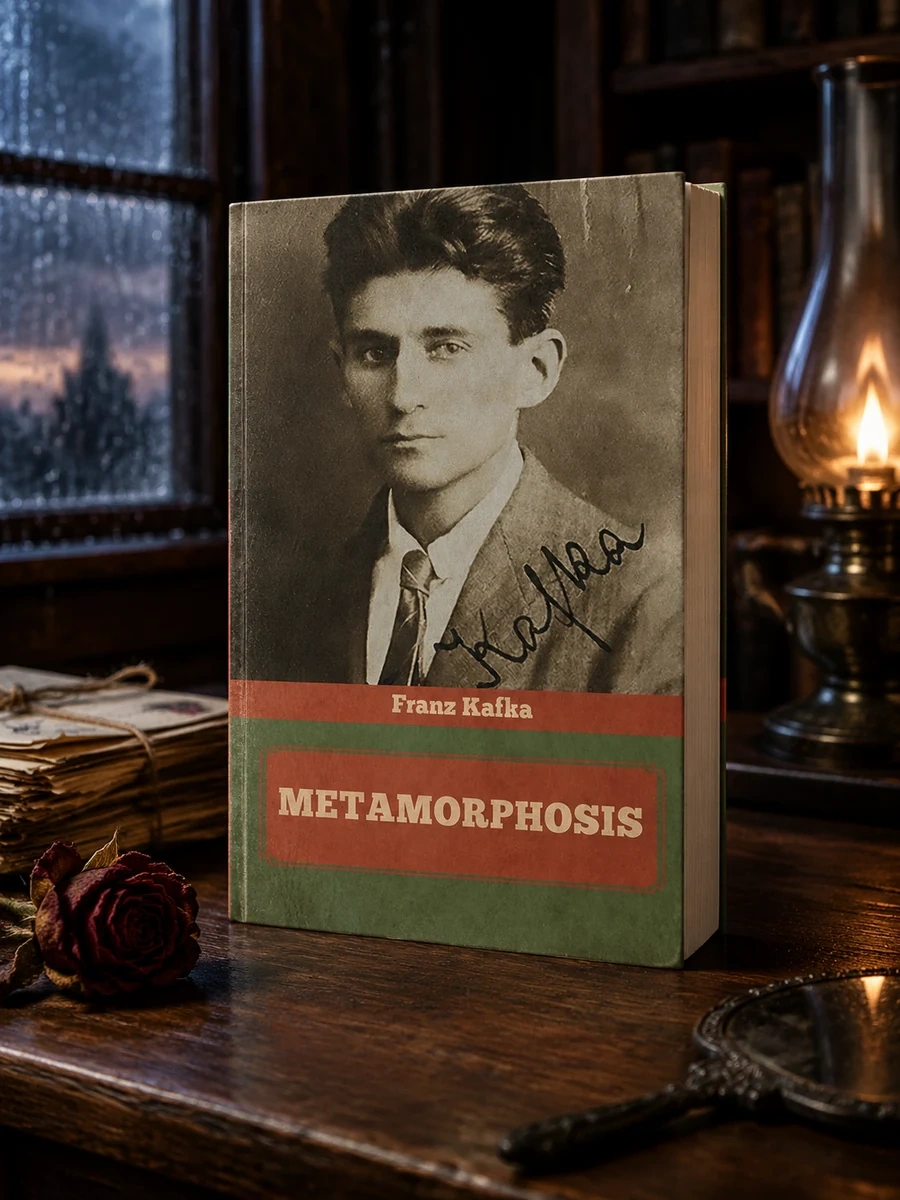
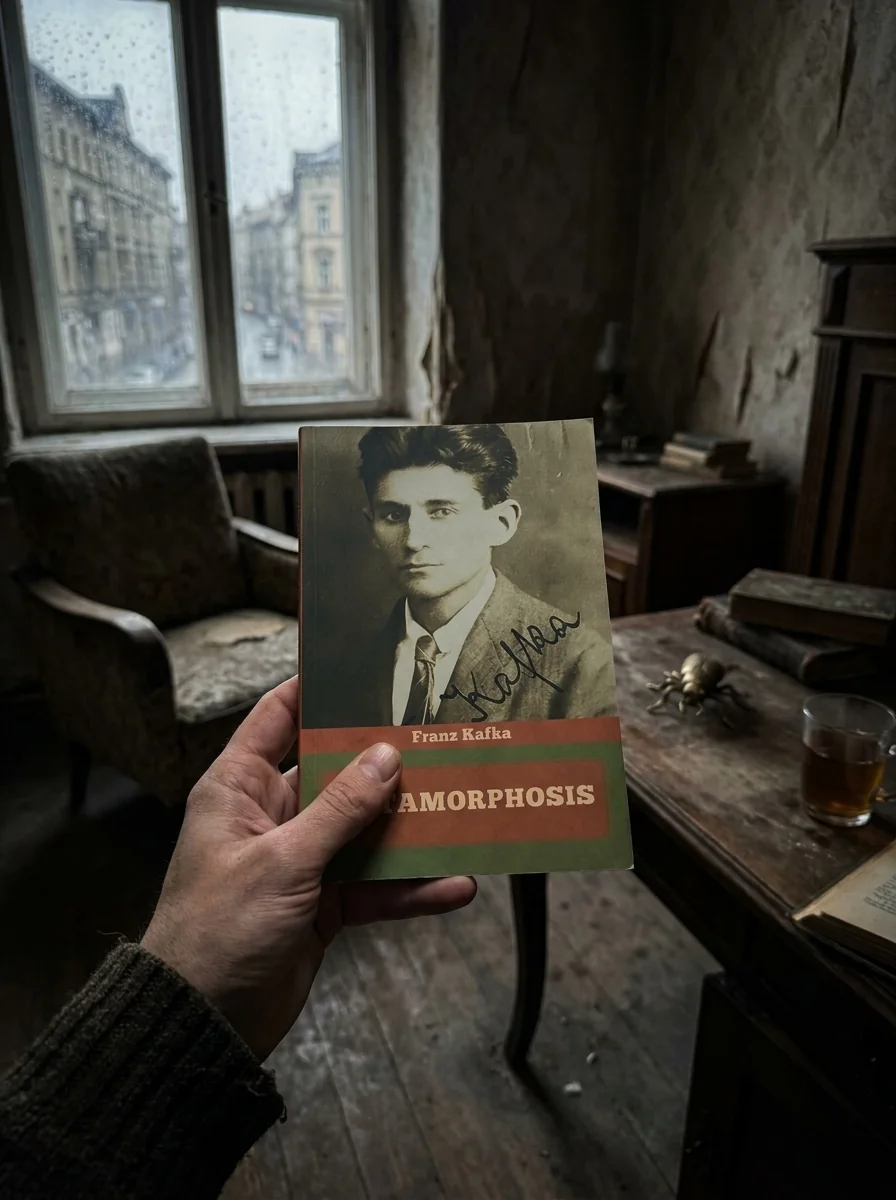
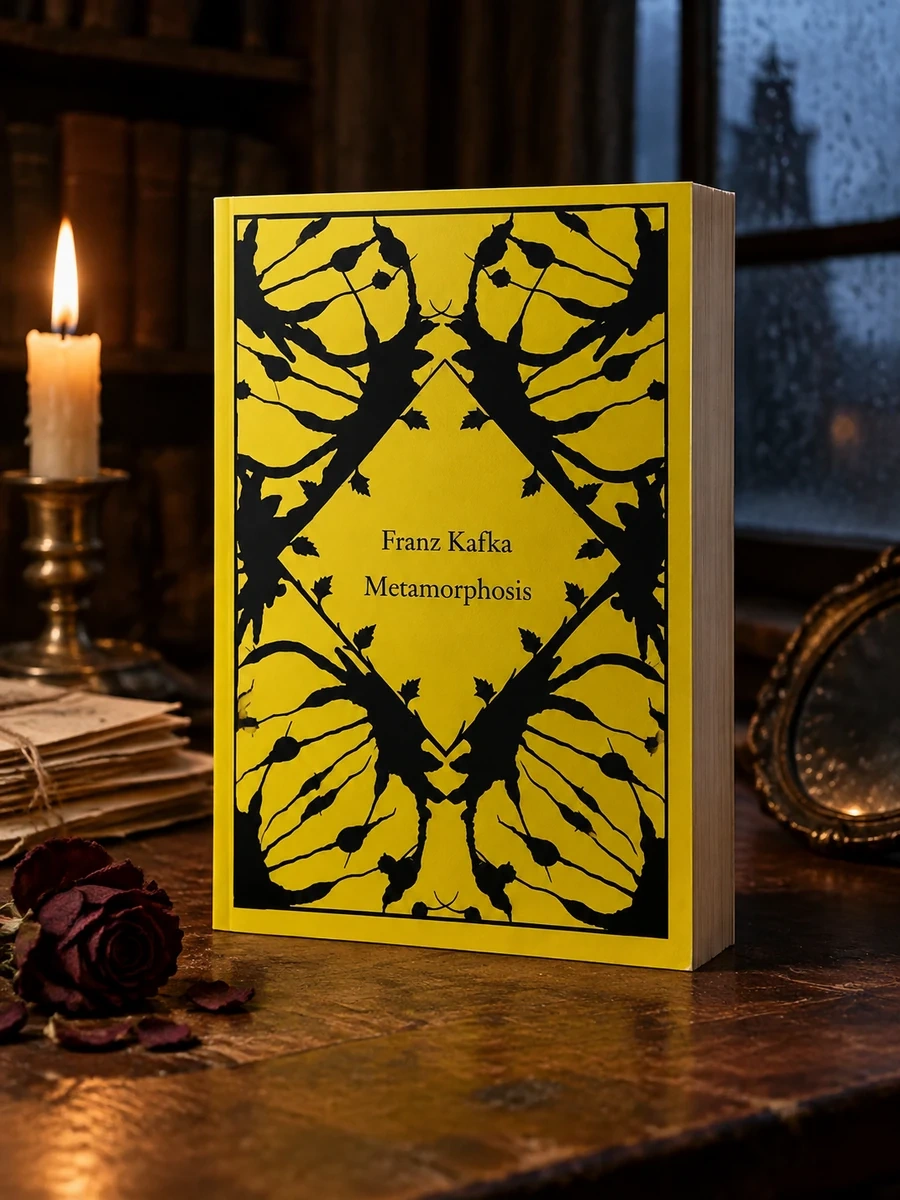
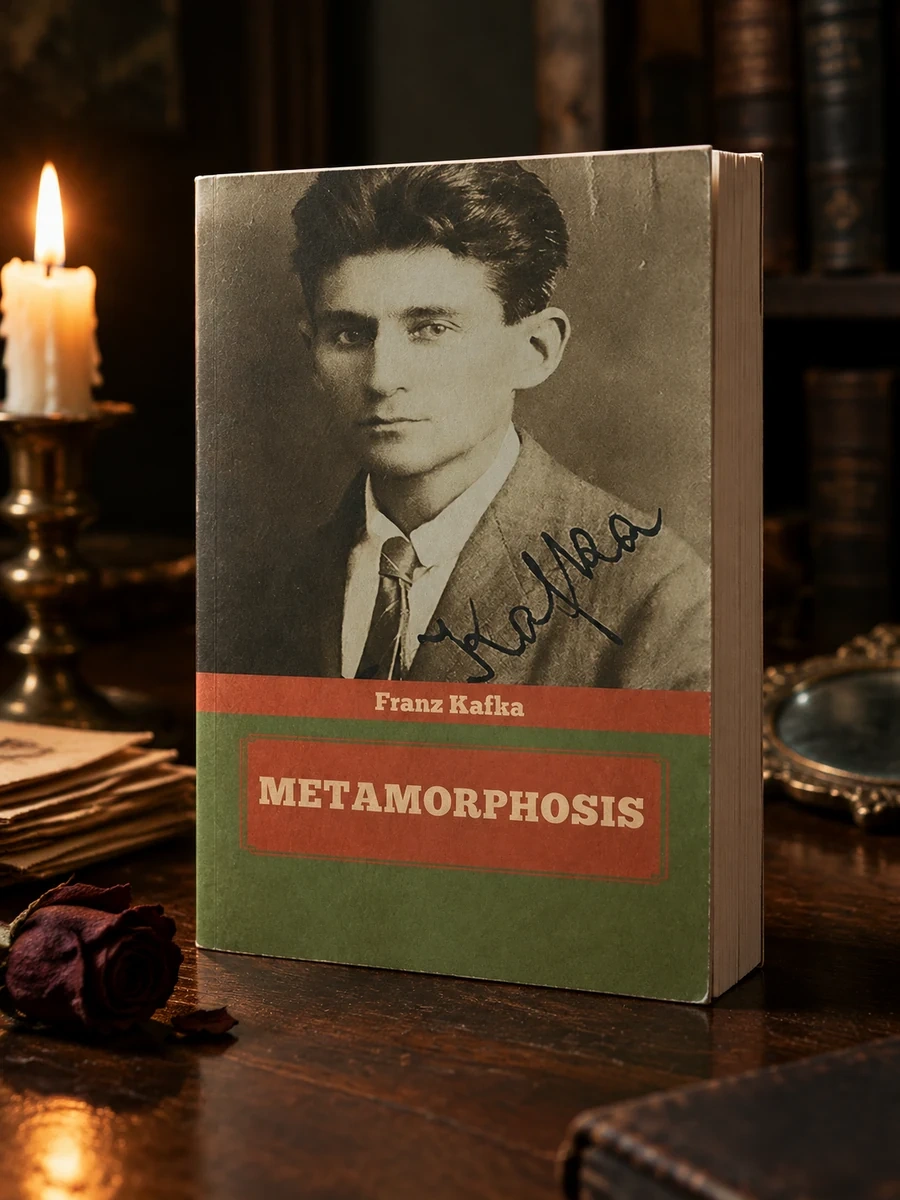
Metamorphosis
A salesman wakes up transformed into an insect in this 1915 novella.
Kafka examines the psychological impact of sudden physical change through Gregor Samsa’s experience. The narrative focuses on his inability to communicate with his family and his gradual loss of humanity. Critics have long debated the meaning behind his transformation into vermin. The work reflects early modernist concerns about identity and alienation. It avoids supernatural explanations, presenting the event as a factual occurrence within the story's world. Readers encounter a bleak exploration of duty and familial obligation. The text remains relevant for its unflinching look at human fragility.
Published in 1915, this German novella emerged during a period of significant literary shift. It reflects early twentieth-century anxieties about identity and social role. The work is considered one of Kafka's best-known contributions to literature, influencing subsequent discussions on modernist fiction and psychological realism.


📝 Description: Metamorphosis
💎 Our verdict on Metamorphosis
📖 Why choose it
Why this book is worth reading
Readers seeking a bleak exploration of duty, familial obligation, and human fragility will find profound value in this text. It offers an unflinching look at the psychological impact of sudden physical change, focusing on the protagonist's inability to communicate with his family and his gradual loss of humanity. This work is ideal for those interested in existential literature who appreciate early twentieth-century German fiction that avoids supernatural explanations. By presenting a factual occurrence within its world, it invites critical analysis regarding the implications of bodily alienation and isolation. Those who enjoy open-ended narratives that challenge moral answers will gain significant insight into the modernist concern with identity through this unflinching examination of human existence.
⭐ Reader reviews
Reader rating
This novella excels in its psychological realism, grounding the horror of transformation in the mundane details of isolation rather than fantastical world-building. Kafka’s style effectively conveys the protagonist's internal struggle to maintain his familial role despite his monstrous new form. The text is particularly suited for readers interested in cosmic or psychological horror who appreciate early modernist writing that defies traditional plot resolutions. While it may not appeal to those seeking clear moral answers, it serves as a significant example of literature that challenges conventional narrative expectations. Its strength lies in the unflinching portrayal of human fragility and the stark depiction of alienation, making it a compelling study for enthusiasts of dark fantasy and true psychological horror.
📖 Read on the blog
✍️ More books by this author Franz Kafka
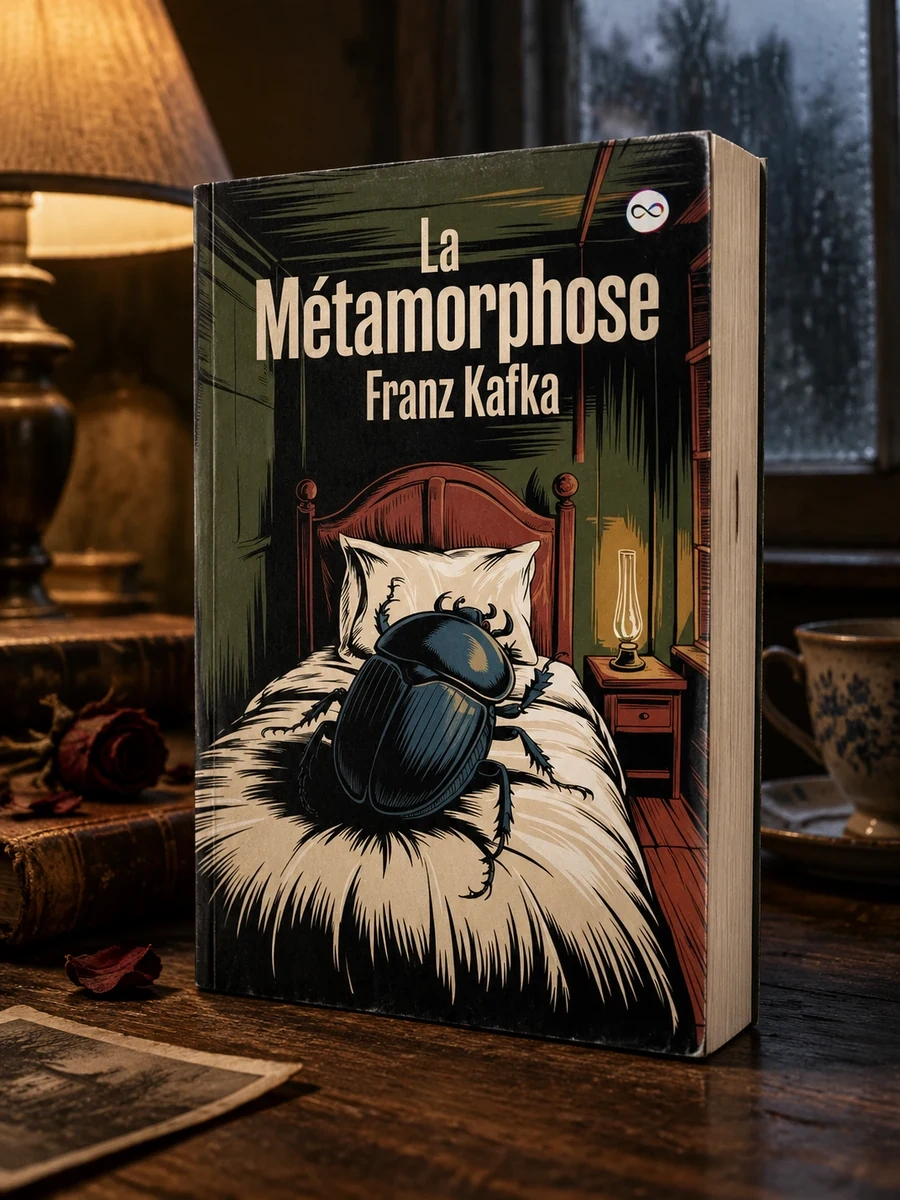


🏛 Books from this publisher Indoeuropeanpublishing.com
You might also like
See more →

Have a question about this item?
Ask about the edition, condition, delivery or anything else — we reply by email or phone, usually within a day.
