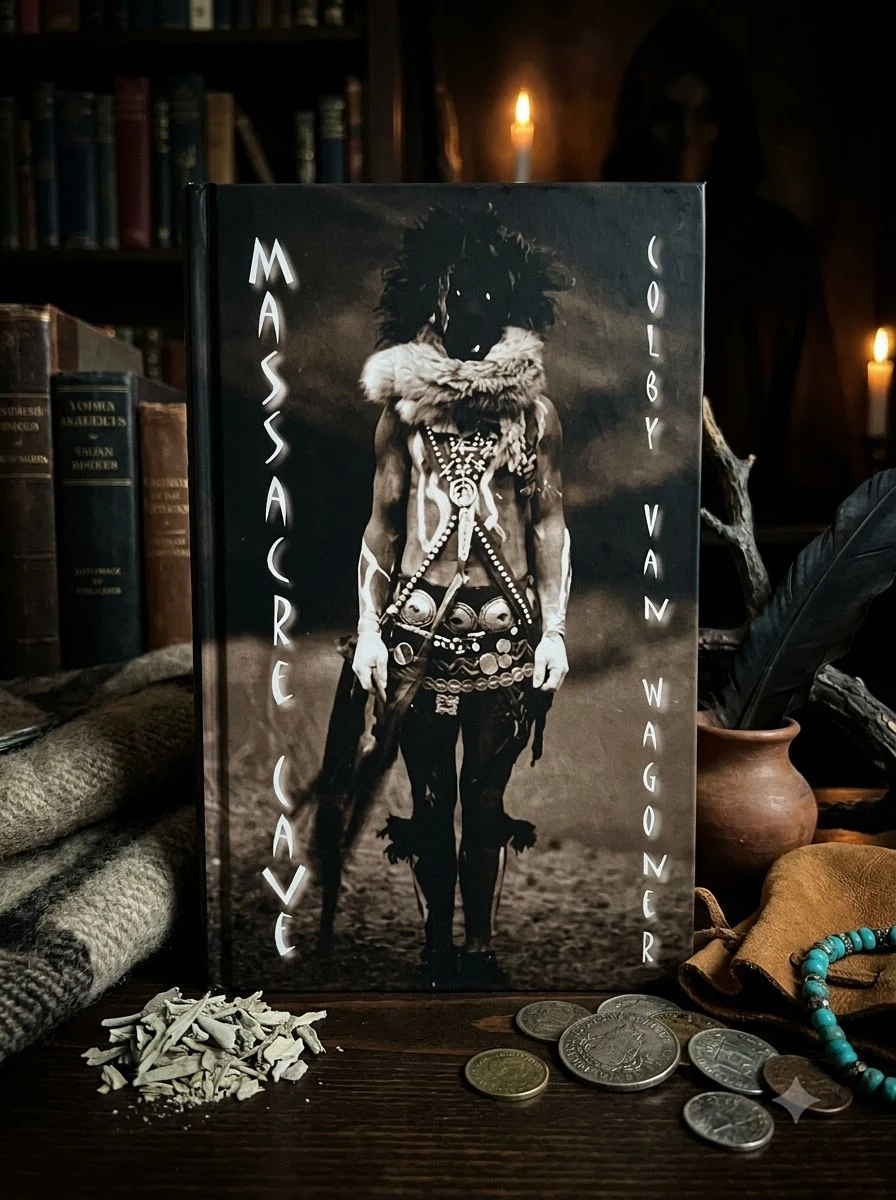
Massacre Cave
A dark tale of Navajo witchery and colonial violence in the American Southwest.
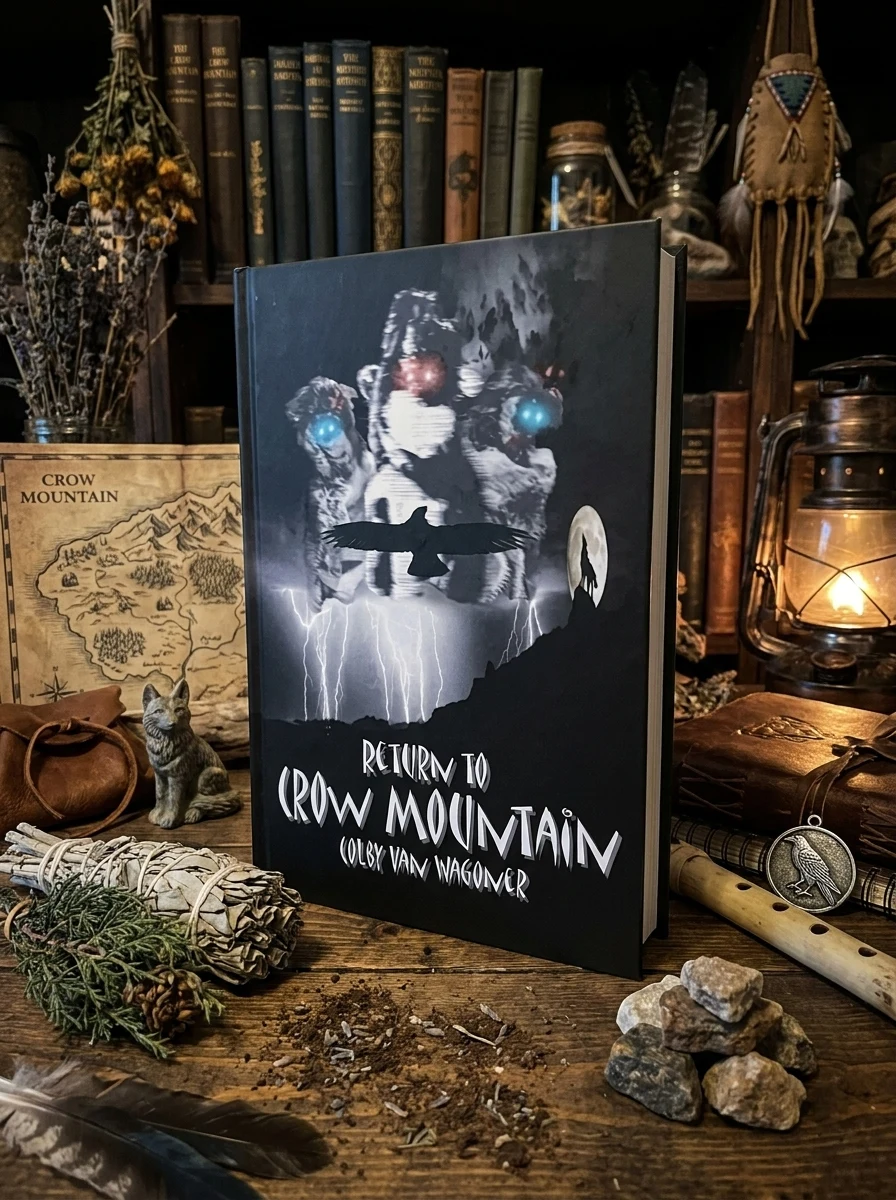
The plot centers on the aftermath of a massacre in Del Muerto Canyon. Istakah forms a Yee Naaldlooshii clan to hunt down those who killed his people. Antonio Narbona works toward peace via treaties with Spanish and US authorities. The supernatural clan attacks travelers to survive and grow stronger. When a member betrays the group, a captive escapes. This event forces two families into the conflict, leading to lasting consequences for all involved.
The book is set in the southwestern territories during the period of Spanish colonization. It references specific Navajo clans like Near The Mountain and Bitter Water People. The narrative engages with historical tensions between indigenous populations and Spanish forces.


📝 Description: Massacre Cave
💎 Our verdict on Massacre Cave
📖 Why choose it
Why this book is worth reading
Readers drawn to historical horror and supernatural revenge narratives will find this title compelling due to its unique fusion of Navajo witchery and colonial conflict. The book offers a grim, atmospheric exploration of retribution that appeals to those interested in the darker aspects of American Southwest history. It is particularly suitable for audiences who enjoy stories where political diplomacy clashes with violent justice. Those seeking modern urban fantasy or non-violent romance may find the tone too severe. However, enthusiasts of gothic themes and psychological tension will appreciate the way the narrative forces characters into permanent life-altering choices amidst a backdrop of historical tragedy and supernatural threat.
⭐ Reader reviews
Reader rating
Wagoner effectively utilizes southwestern history to create a chilling atmosphere where colonization and retribution collide. The depiction of the Yee Naaldlooshii clan provides a potent supernatural element that drives the plot forward with relentless intensity. The narrative structure successfully contrasts Istakah’s dark medicine man practices with Antonio Narbona’s diplomatic efforts, highlighting the irreconcilable divide between peace and vengeance. While the grim tone may alienate readers seeking lighter fare, it serves those who appreciate unflinching horror grounded in cultural tradition. The story avoids sensationalism, instead focusing on the lasting consequences of violence for two families caught in the crossfire. This approach lends weight to the supernatural elements, making the horror feel historically resonant and emotionally impactful.