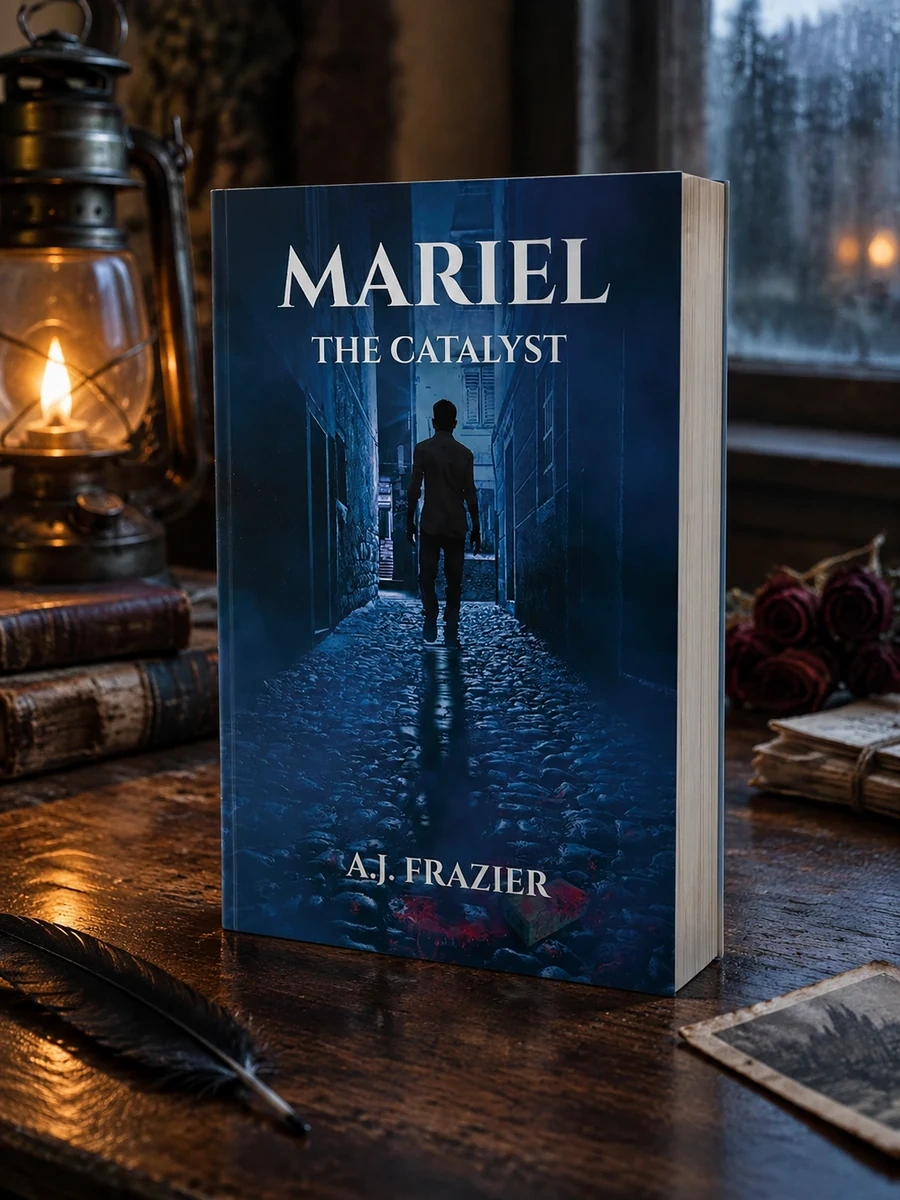
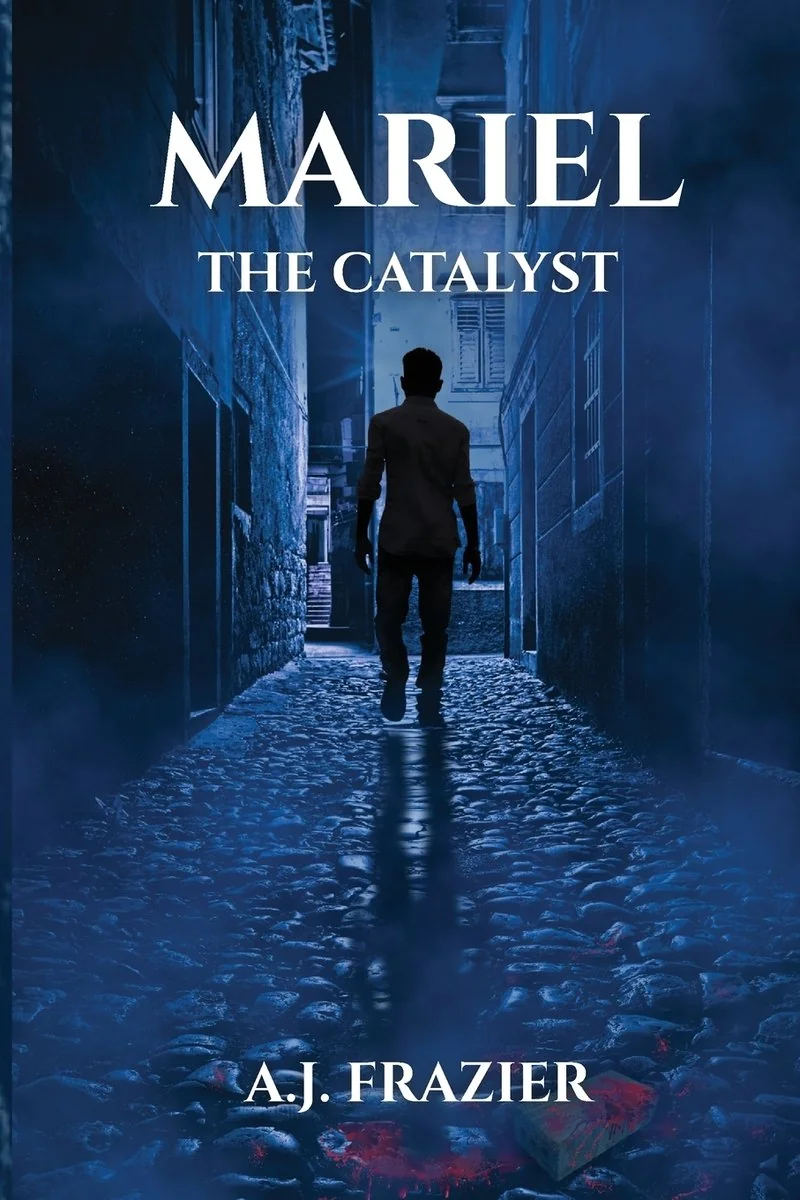
Mariel: The Catalyst
A second book in a series blending assassin thrillers with apocalyptic prophecy.
Frazier explores the immediate aftermath of death in Chicago, focusing on Esther Caravan and her protector Tira Arcelin. The text examines how personal loss intersects with divine mandate as Fr. Jerome questions his visions. Mariel Nadier emerges as a pivotal figure whose first kill activates dormant prophetic forces. The narrative structure connects individual psychological struggles to broader eschatological events.
The story is set in Chicago in January 2020. It draws on Christian eschatology, specifically the Book of Revelation and the Four Horsemen. The setting blends urban American grief with Russian assassin lore and biblical tradition.


📝 Description: Mariel: The Catalyst
💎 Our verdict on Mariel: The Catalyst
📖 Why choose it
Why this book is worth reading
Readers who appreciate the intersection of divine mandate and personal trauma will find this narrative compelling. Those drawn to character-driven supernatural thrillers with heavy theological undertones should engage with Frazier’s exploration of grief as a catalyst for cosmic change. The book offers a unique perspective on how individual suffering triggers global catastrophe, appealing to fans of apocalyptic prophecy blended with assassin tropes. It is ideal for audiences seeking serious genre fiction that does not shy away from complex religious themes and the psychological weight of impending doom.
⭐ Reader reviews
Reader rating
Frazier effectively anchors the narrative in Chicago’s January 2020 atmosphere, using the city’s mourning as a backdrop for stirring ancient forces. The characterization of Mariel Nadier as the Horseman of Death provides a potent focal point for the apocalyptic prophecy. The text excels in connecting individual psychological struggles, such as Esther Caravan’s loss and Fr. Jerome’s grief, to broader eschatological events. This approach suits readers who enjoy dark fantasy with religious depth. However, those seeking lighthearted entertainment or stories without heavy theological themes may find the tone too intense. The work remains a serious exploration of modern trauma intersecting with ancient myth.
You might also like
See more →



Have a question about this item?
Ask about the edition, condition, delivery or anything else — we reply by email or phone, usually within a day.
