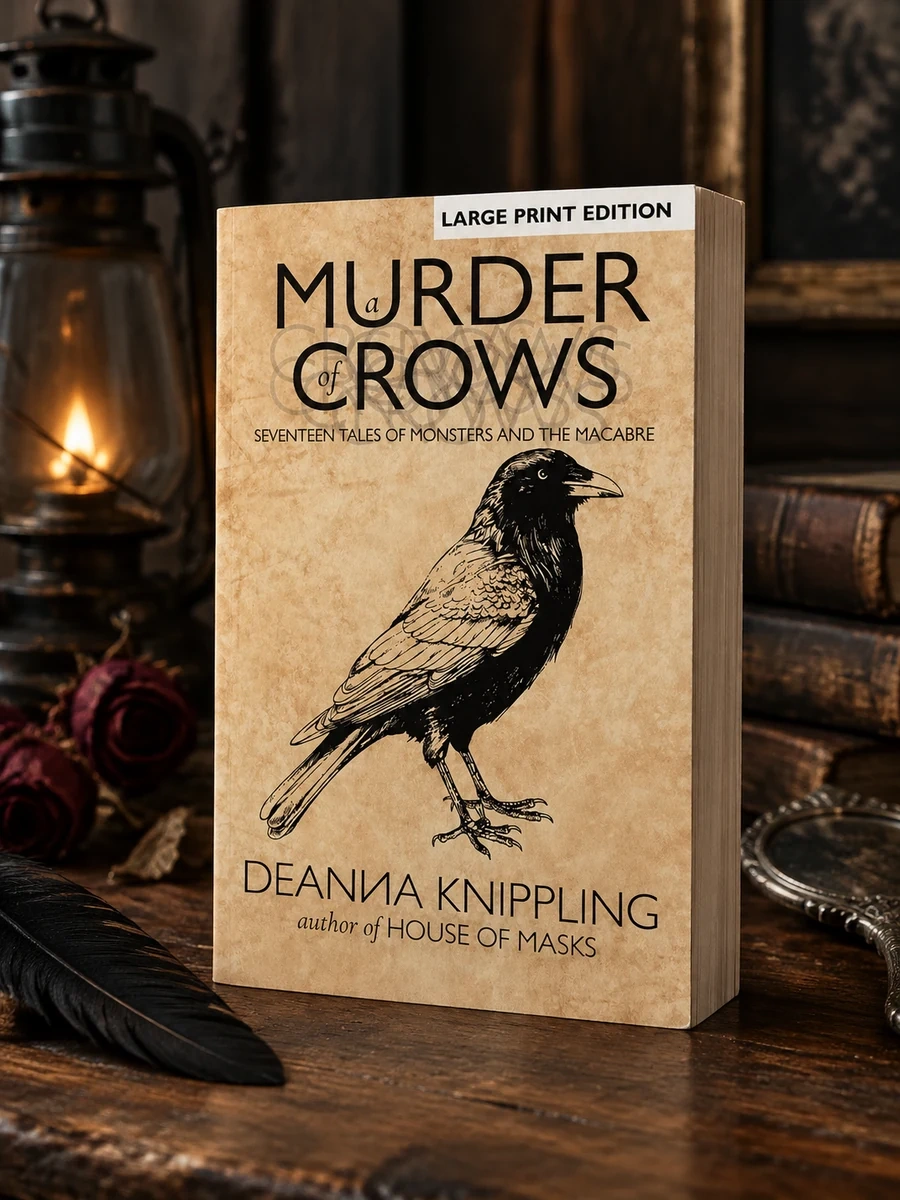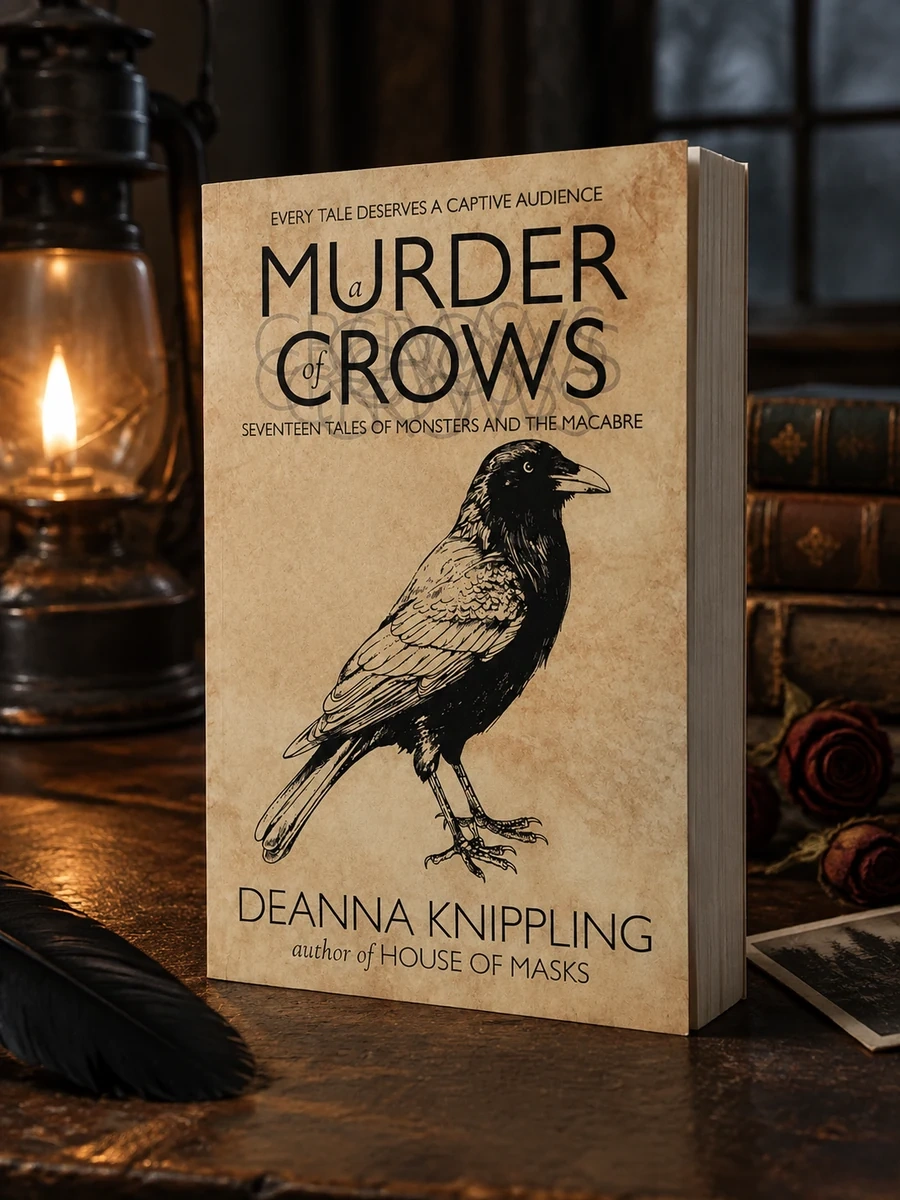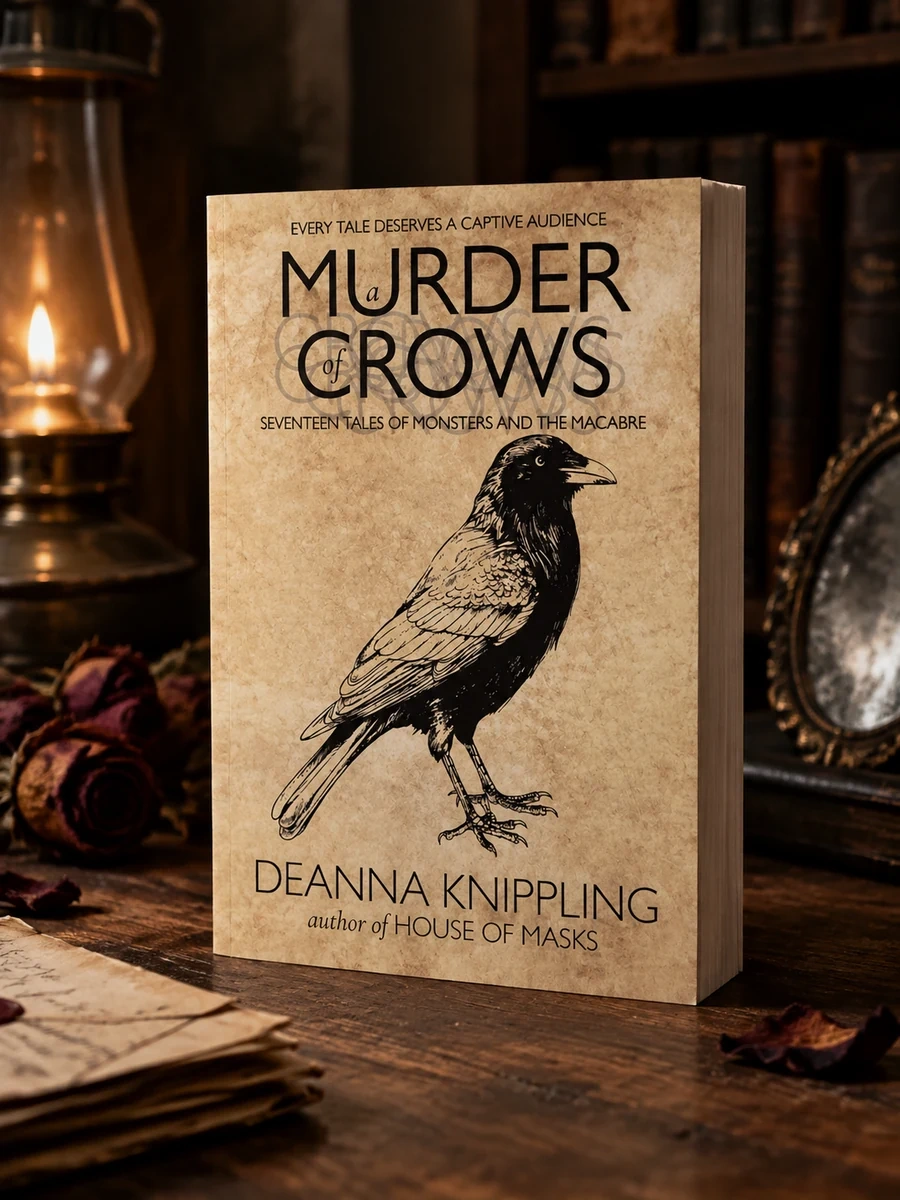
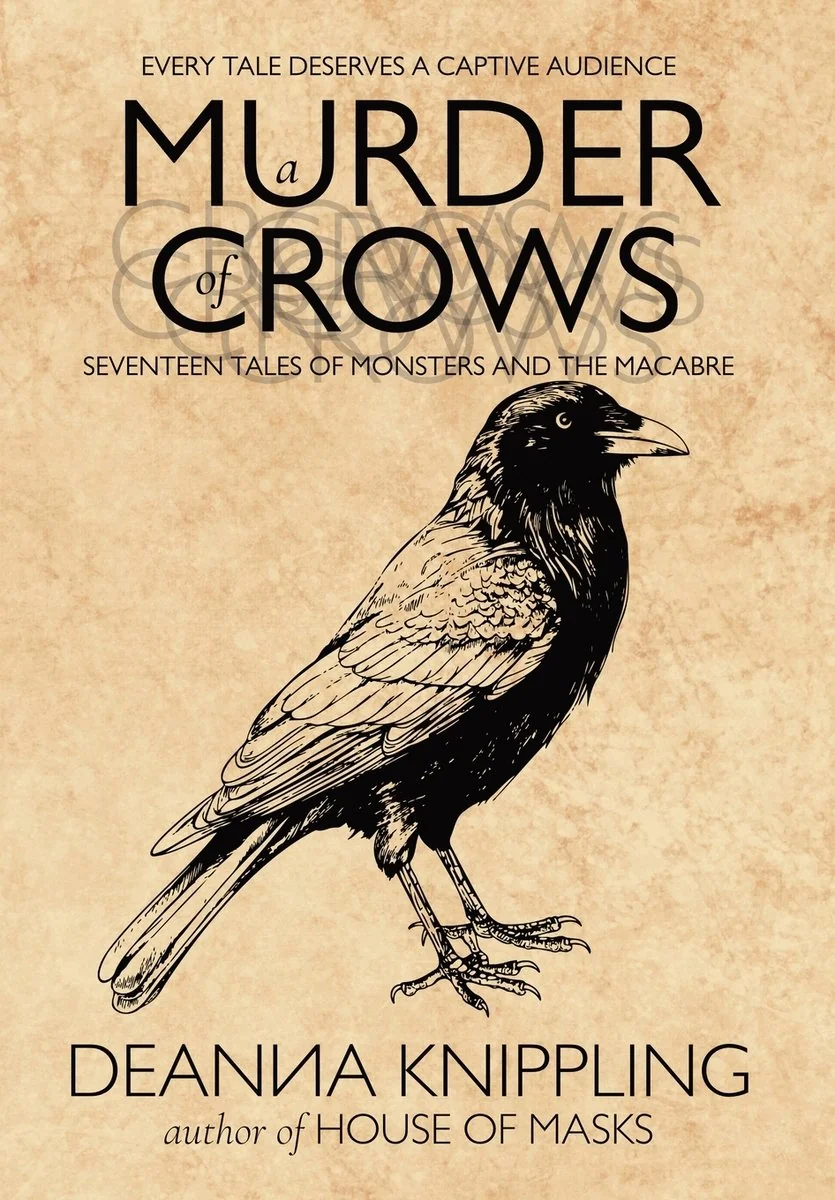
A Murder of Crows: Seventeen Tales of Monsters and the Macabre
Seventeen crows narrate tales of monsters and a girl surviving her mother's madness on the Great Plains.
The collection centers on a girl left outside while her home twists under her mother’s influence. Crows observe this deterioration and decide to share stories to sustain her spirit. They warn that reclaiming her might be too late if she loses herself to the darkness. The narrative structure relies entirely on these avian observers who understand the power of story. This approach distinguishes the work from standard horror anthologies by grounding the terror in a specific, desperate relationship between the watcher and the watched.
The stories unfold on the Great Plains where the sky is cold and empty. This setting provides a stark backdrop for tales of monsters and the macabre. The work engages with folklore-haunted horror traditions, focusing on unsettling transformation and the sharp bite of dread that feels immediate to the reader.


📝 Description: A Murder of Crows: Seventeen Tales of Monsters and the Macabre
💎 Our verdict on A Murder of Crows: Seventeen Tales of Monsters and the Macabre
📖 Why choose it
Why this book is worth reading
Readers who appreciate folklore-haunted horror and psychological depth will find this collection compelling. The book offers a unique narrative framework where crows observe a girl’s struggle against her mother’s madness on the Great Plains. This perspective grounds terror in a desperate relationship between watcher and watched, distinguishing it from standard anthologies. Those seeking unsettling transformations and intimate family dynamics will connect with the sharp bite of dread. It is ideal for those who value survival narratives over lighthearted supernatural fiction or straightforward adventure plots.
⭐ Reader reviews
Reader rating
Knippling crafts seventeen tales that are dark, sharp, and focused on memory and hunger. The crows’ intervention prevents the child from starving for meaning as monsters infiltrate her home. This approach distinguishes the work by grounding terror in a specific relationship rather than generic scares. It suits readers who appreciate unsettling transformation and the weight of family dynamics. Those preferring traditional monster stories without psychological nuance may not connect with this style. The collection effectively conveys the sharp bite of dread through its unique avian observers.