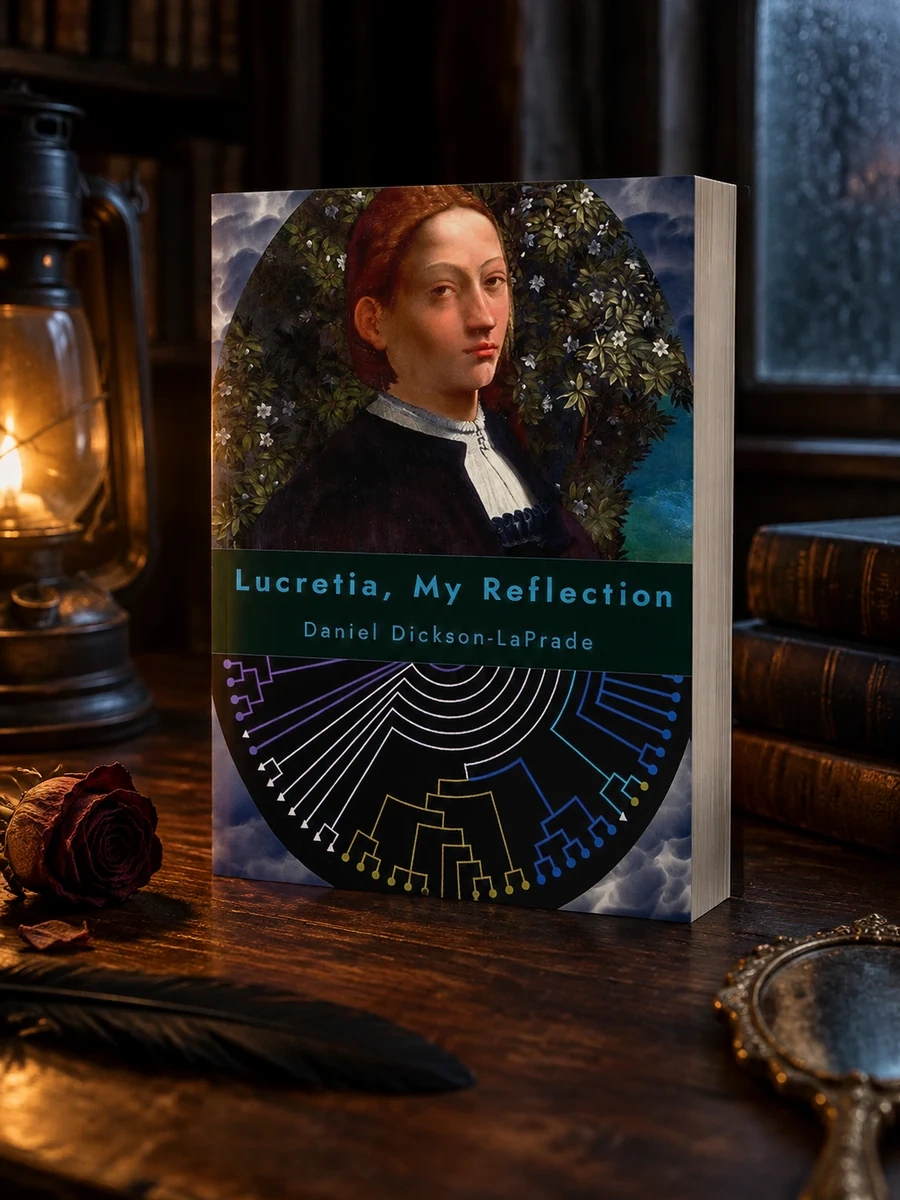
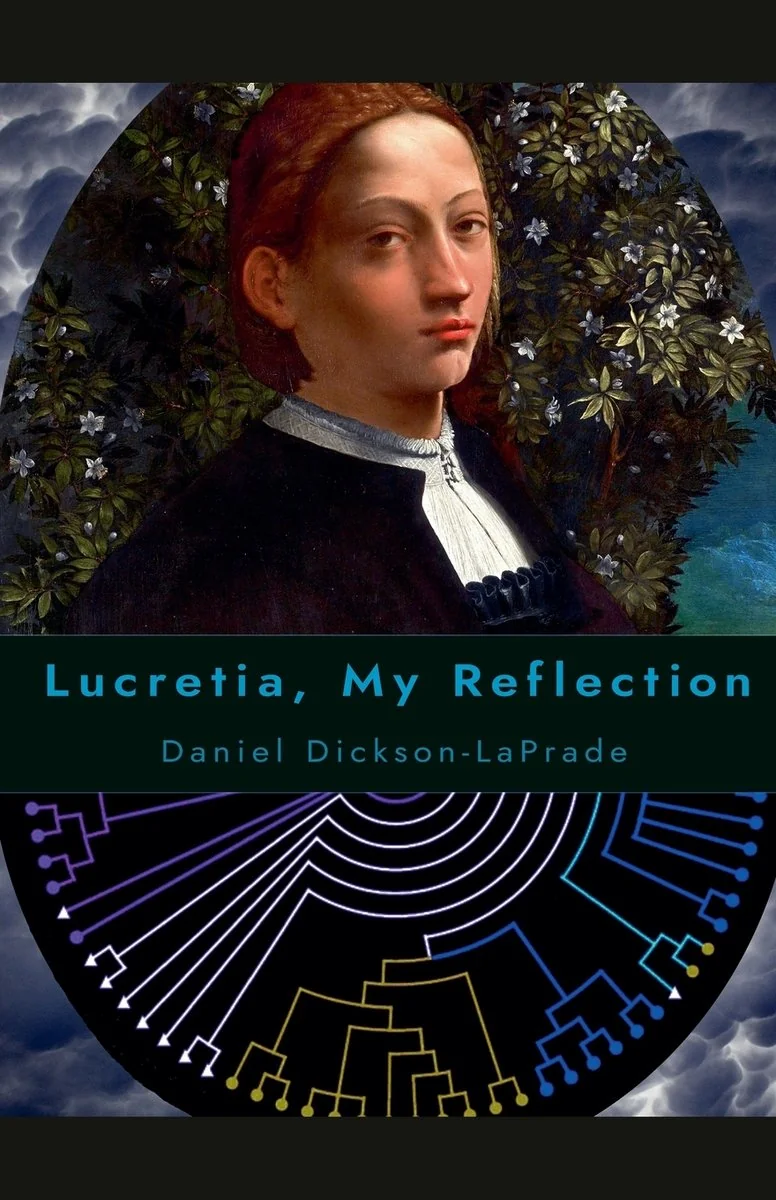
Lucretia, My Reflection
A letter in your own handwriting reveals a doppelganger plotting your undoing.
Britt Merlino receives a mysterious envelope with a note written in her hand. The writer claims to be another Britt who knows her private life. This invasion of privacy triggers a crisis of identity. The protagonist must determine the truth behind the invitation. The narrative focuses on psychological tension rather than physical danger. Dickson-Laprade uses this premise to examine how well we know ourselves. The story unfolds through Britt's attempts to decipher the sender's motives. It is a study in paranoia and self-doubt.
This 2025 release fits into the modern wave of psychological horror that prioritizes internal dread over gore. It appeals to readers who appreciate gothic traditions where the self is the primary source of terror. The setting remains grounded in contemporary college life, making the supernatural elements feel more invasive and personal.


📝 Description: Lucretia, My Reflection
💎 Our verdict on Lucretia, My Reflection
📖 Why choose it
Why this book is worth reading
Readers seeking a slow-burn psychological thriller will find this book compelling due to its focus on paranoia and self-doubt rather than physical danger. It appeals to those interested in how well we truly know ourselves, offering a study in identity fragmentation through the lens of an unreliable narrator. The narrative tension arises from the mystery of whether the sender is a separate entity or a fractured part of the protagonist's mind. Those who enjoy contemporary horror that prioritizes internal dread over supernatural monsters will appreciate this examination of sanity and reality.
⭐ Reader reviews
Reader rating
Dickson-Laprade effectively structures this psychological thriller around the central mystery of an unmarked envelope containing a letter in the protagonist’s own handwriting. The narrative excels at building tension through intimate details like bubble tea habits and college struggles, forcing Britt to question her sanity. While it lacks fast-paced action or traditional monsters, it delivers a potent study in paranoia. The book suits readers who appreciate gothic traditions where the self is the antagonist. It is a challenging but rewarding exploration of identity, relying on the unsettling proximity between the known self and the unknown double.