Live Again
A widower makes a deal to resurrect his wife with unexpected consequences.
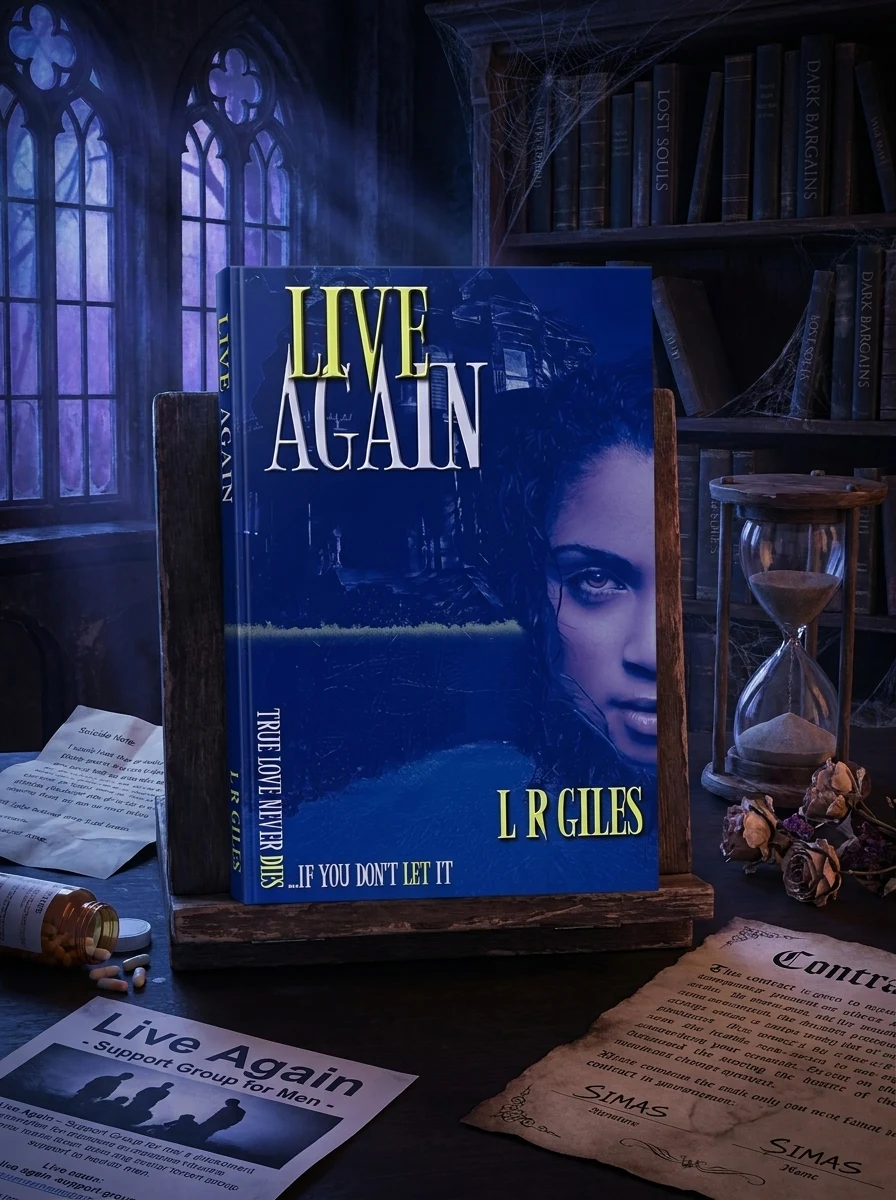
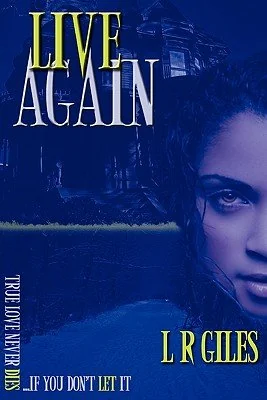
Keith Lansing joins a support group after a suicide attempt. Tragedy strikes the group, pushing him toward despair again. Simas offers a way to bring back Keith's deceased wife. Keith accepts this offer without hesitation. The return of his wife brings new problems. She did not come back alone. This creates a situation where keeping her present is harder than bringing her back. Giles explores the cost of such a decision. The narrative follows Keith as he deals with these new realities. The story focuses on the horror that emerges from grief and regret.
This work sits within the tradition of American horror fiction. It draws on gothic themes of death and resurrection. The narrative reflects contemporary interests in mental health support groups. It blends personal tragedy with supernatural elements common in modern genre writing.


📝 Description: Live Again
💎 Our verdict on Live Again
📖 Why choose it
Why this book is worth reading
Readers who appreciate stories where emotional recovery intersects with terrifying consequences will find this narrative compelling. Keith Lansing’s journey from despair to dangerous hope offers a profound examination of grief and regret. The book is ideal for those intrigued by the psychological cost of making deals with unknown entities. It provides a chilling look at how unresolved trauma can manifest in supernatural horror. Fans of gothic tales that prioritize emotional depth over simple scares will gain much from this exploration of loss and its dark aftermath.
⭐ Reader reviews
Reader rating
L R Giles delivers a tense narrative that effectively merges gothic horror with psychological thriller elements. The story excels in portraying the visceral impact of grief, making Keith’s desperation palpable and his subsequent choices terrifyingly understandable. By focusing on the difficulty of maintaining a supernatural presence rather than just the resurrection itself, the author creates a unique layer of dread. This approach suits readers who enjoy atmospheric storytelling and complex character motivations. The tale avoids easy answers, offering instead a complicated view of hope and its dangers. It is best appreciated by those who prefer horror rooted in human emotion.