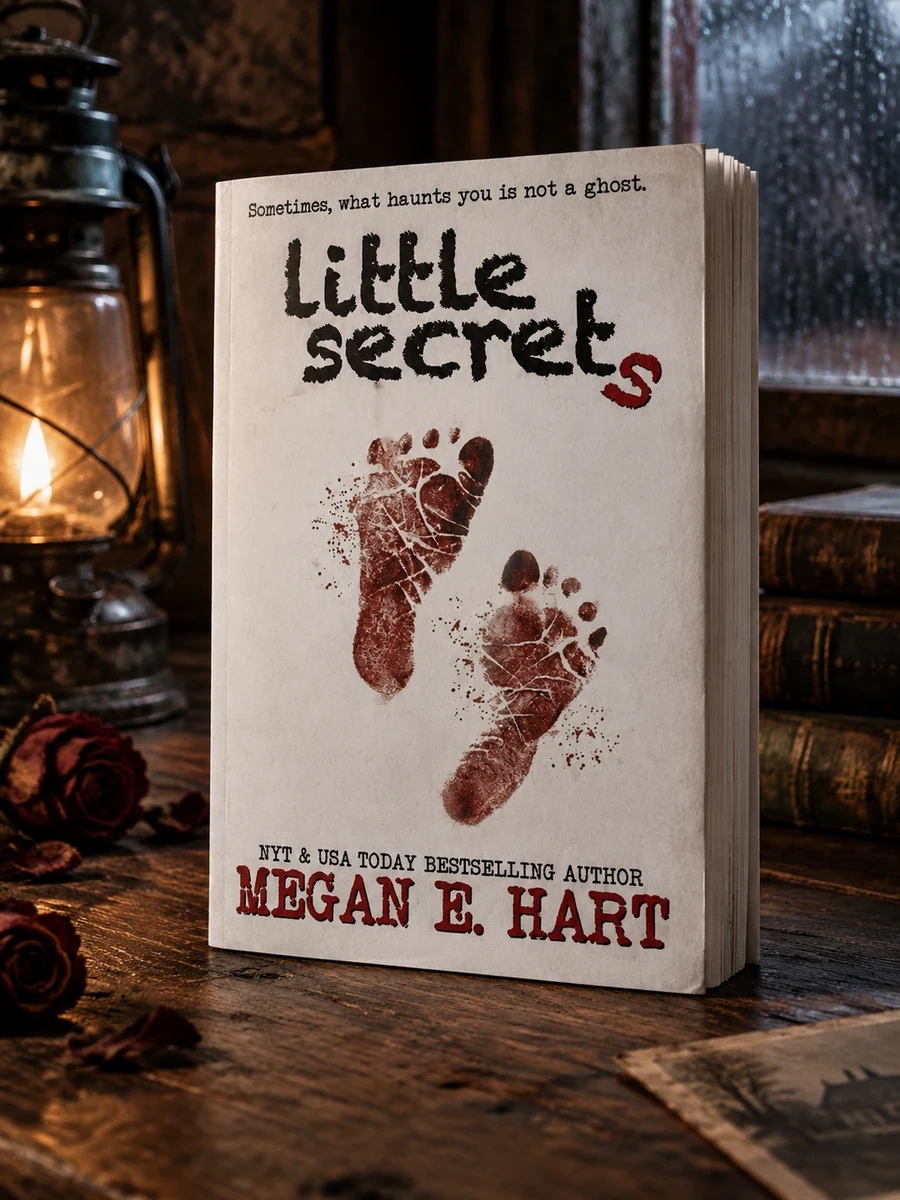
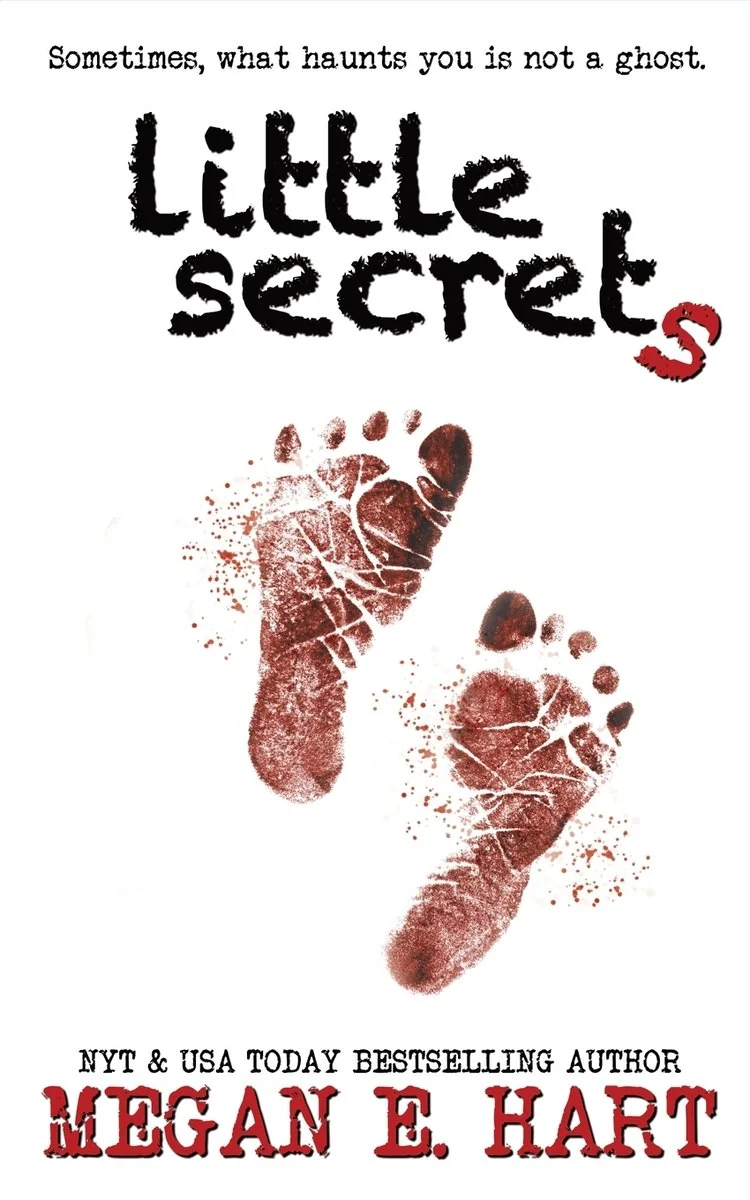
Little Secrets
A domestic thriller about a couple facing a mysterious presence in their new home.
Ginny and Sean seek a fresh start in a new house with a baby on the way. Financial strain and strange events threaten to keep them trapped in their past. Ginny questions if the house is haunted or if Sean is gaslighting her. She investigates the former owner and a past tragedy. The narrative focuses on the ambiguity of the threat and the breakdown of trust between the couple. Hart explores themes of paranoia and domestic instability through this supernatural lens.
This work sits within the tradition of gothic and supernatural fiction published by Howling Unicorn Press. It addresses modern anxieties about homeownership and family planning. The narrative draws on classic hauntings tropes but grounds them in contemporary financial and emotional strain.


📝 Description: Little Secrets
💎 Our verdict on Little Secrets
📖 Why choose it
Why this book is worth reading
Readers who enjoy psychological horror and domestic suspense will find Little Secrets compelling due to its ambiguous exploration of paranoia and trust. The book appeals to those who prefer atmospheric dread over explicit gore, offering a tense narrative that questions the reliability of perception. It is ideal for fans of gothic fiction who appreciate stories where the true threat stems from human relationships and financial strain rather than just supernatural entities. Those interested in the breakdown of marital stability under pressure will engage deeply with Ginny’s investigative journey. The lack of clear answers provides a lingering sense of unease, satisfying readers who enjoy deconstructing the boundary between reality and delusion in a claustrophobic setting.
⭐ Reader reviews
Reader rating
Hart effectively cultivates an atmosphere of isolation and dread within Little Secrets, using the setting of a new home to amplify feelings of entrapment. The narrative succeeds by focusing on the fraying relationship between Ginny and Sean, making the supernatural ambiguity secondary to their psychological collapse. This approach suits readers who prefer slow-burn tension and complex character dynamics over simple scares. While some may find the lack of resolution frustrating, it aligns with the book’s thematic focus on unresolved trauma and paranoia. The prose emphasizes internal fear, creating a chilling experience for those who appreciate gothic undertones in modern horror. It is a strong choice for enthusiasts of domestic thriller subgenres who value psychological depth and atmospheric storytelling over conventional plot resolutions.