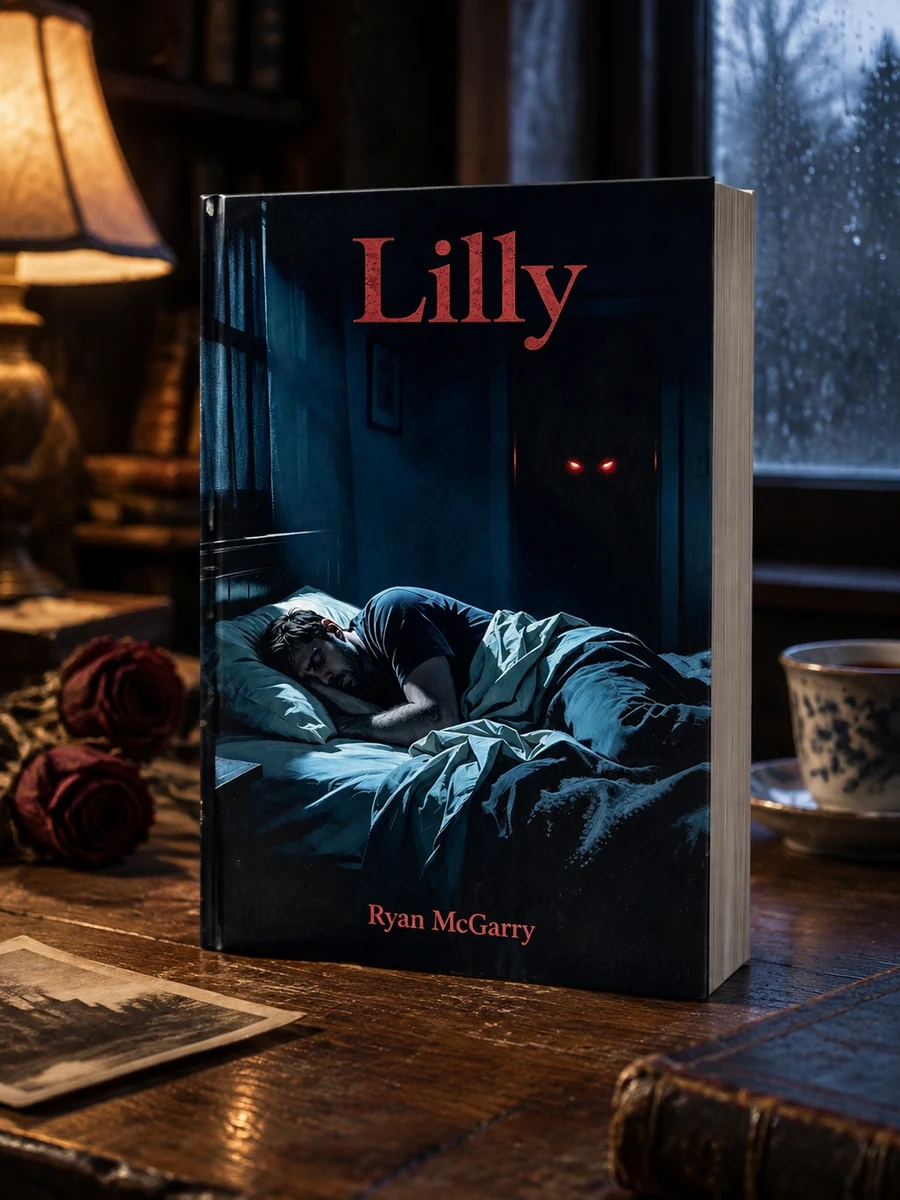
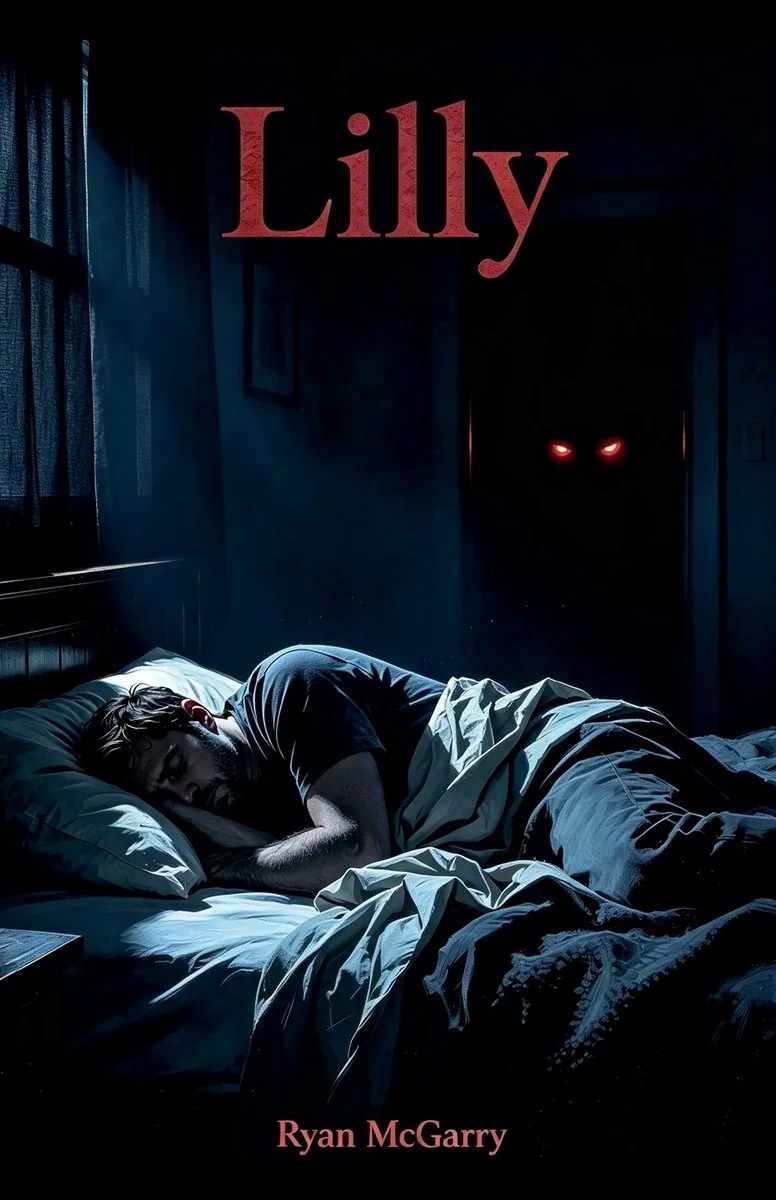
Lilly
A grieving widower faces supernatural visits from his deceased wife.
Carl Harker has spent two years mourning his wife, whose death by cancer left him in deep anguish. His isolation breaks when she appears to him again, bringing words of comfort and attempts at seduction. These encounters become regular, blurring the boundary between his grief and reality. With only Ben, his best friend, as a confidant, Carl must distinguish between genuine supernatural intervention and the symptoms of his trauma. The story does not offer easy answers about the afterlife but focuses on the visceral pain of letting go. McGarry uses this premise to explore how love persists beyond death, often in unsettling ways. The narrative avoids traditional jump scares, instead relying on the slow erosion of Carl's sanity as he clings to these phantom connections.
This book sits within the contemporary horror genre, specifically drawing on gothic fiction traditions where the boundary between the living and the dead is porous. It reflects modern anxieties about mental health and mourning, using supernatural elements to externalize internal pain.


📝 Description: Lilly
💎 Our verdict on Lilly
📖 Why choose it
Why this book is worth reading
Readers who prefer psychological dread over visceral gore will find this narrative deeply resonant. It offers a poignant exploration of grief, isolation, and the fragile boundary between memory and reality. Those interested in how trauma manifests physically and mentally will appreciate the slow erosion of sanity depicted here. The book is ideal for individuals grappling with loss or those fascinated by the complexities of mourning. It provides an intimate look at attachment and letting go, avoiding easy answers to provide a lingering emotional impact rather than simple horror thrills.
⭐ Reader reviews
Reader rating
McGarry crafts a compelling study of grief, using supernatural elements to examine the torment of attachment. The narrative avoids traditional jump scares, relying instead on the slow unraveling of Carl’s psyche as he clings to phantom connections. This approach creates an intimate and invasive atmosphere that lingers long after reading. While it lacks fast-paced action or clear resolutions, its strength lies in its emotional depth and gothic undertones. It suits readers seeking psychological complexity and those who appreciate horror rooted in personal tragedy rather than external threats.
You might also like
See more →







Have a question about this item?
Ask about the edition, condition, delivery or anything else — we reply by email or phone, usually within a day.
