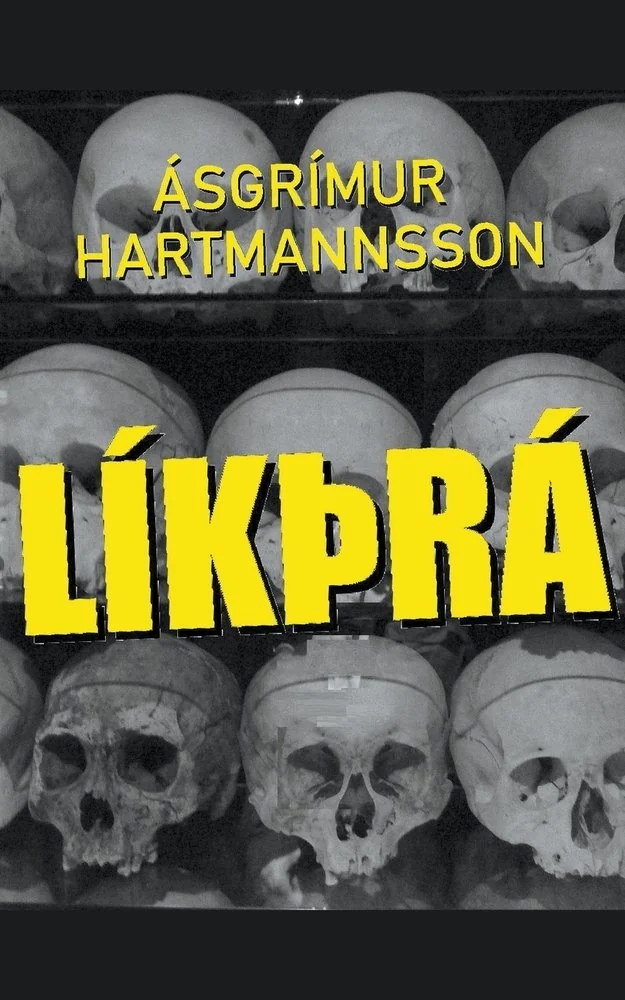
LikTHra
A satire about a colorblind man appointed as an assistant to the Icelandic President.
The text centers on Gunnar, a civil servant whose career takes a strange turn after a theft incident. He gains employment close to power due to a misunderstanding of his political leanings. The story highlights the contrast between his perceived woke status and his actual colorblindness. Hartmannsson uses this premise to explore the intersection of bureaucracy and personal identity. The narrative does not offer extensive world-building but focuses on immediate interactions. The court stenographer friend provides a counterpoint to Gunnar’s official duties. This approach creates a unique perspective on power dynamics in Iceland.
The work is rooted in Icelandic culture, specifically referencing the President of Iceland and local civil service. It engages with contemporary debates on woke ideology within a Nordic context. The setting is modern, reflecting the social and political landscape of Iceland as of its 2022 publication.


📝 Description: LikTHra
💎 Our verdict on LikTHra
📖 Why choose it
Why this book is worth reading
Readers who appreciate the intersection of bureaucratic satire and psychological horror will find this text compelling. It offers a unique exploration of power dynamics through the lens of a colorblind man navigating high-stakes political environments. The narrative’s focus on immediate interactions rather than extensive world-building provides an intense, character-driven experience for those interested in the quirks of identity and authority. It appeals to audiences who enjoy absurdism grounded in specific cultural contexts, particularly Nordic settings, allowing them to dissect the contrast between perceived political alignment and personal reality without the distraction of supernatural elements.
⭐ Reader reviews
Reader rating
Hartmannsson crafts a distinctive entry into the horror-adjacent satirical genre by focusing on the surreal nature of Icelandic bureaucracy. The protagonist’s accidental rise to power due to a misunderstanding regarding his colorblindness creates a tense, ironic atmosphere that critiques modern political identity. While it lacks traditional plot progression, the episodic structure effectively highlights the absurdity of institutional power. This work is best suited for readers who enjoy character-driven narratives with a sharp, critical edge. It succeeds in blending dark humor with psychological observation, offering a fresh perspective on civil service and personal identity that resonates with fans of literary satire.