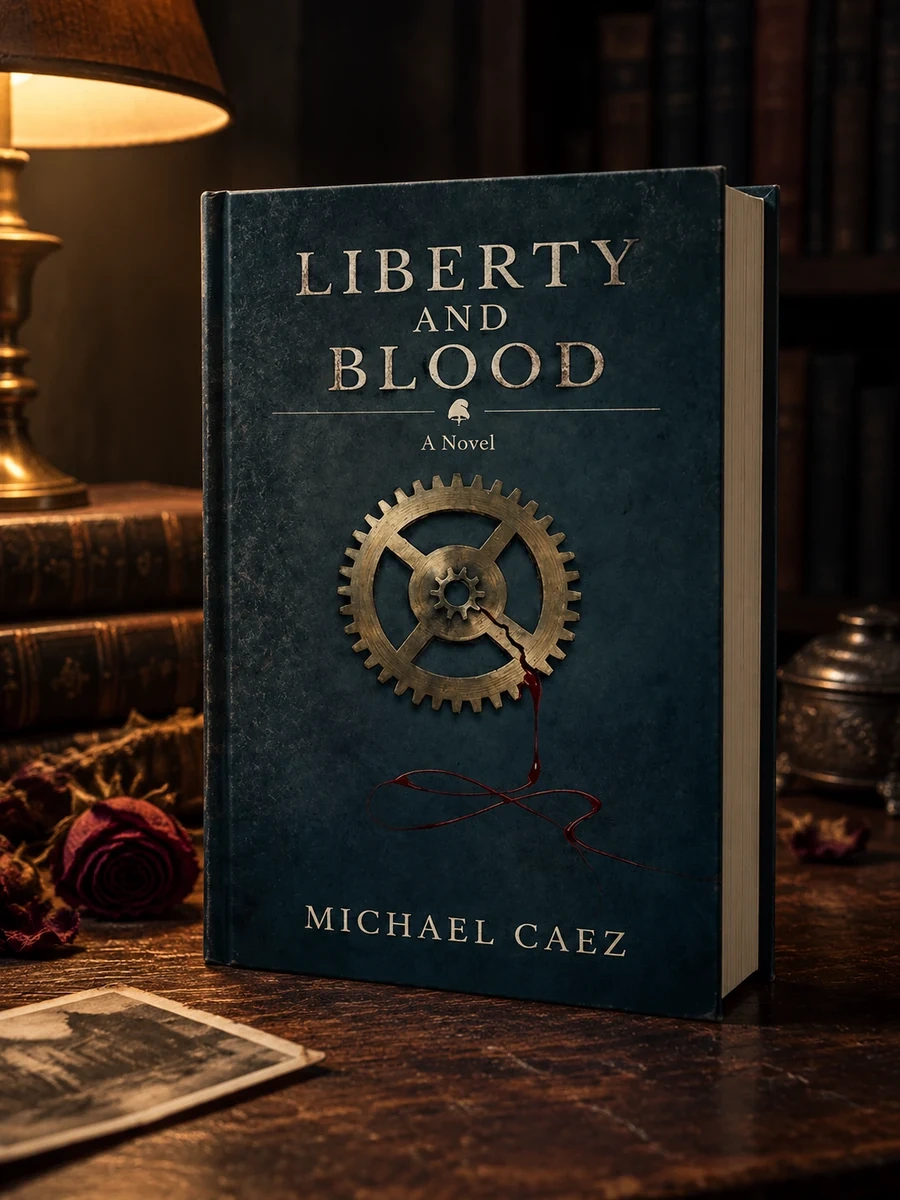
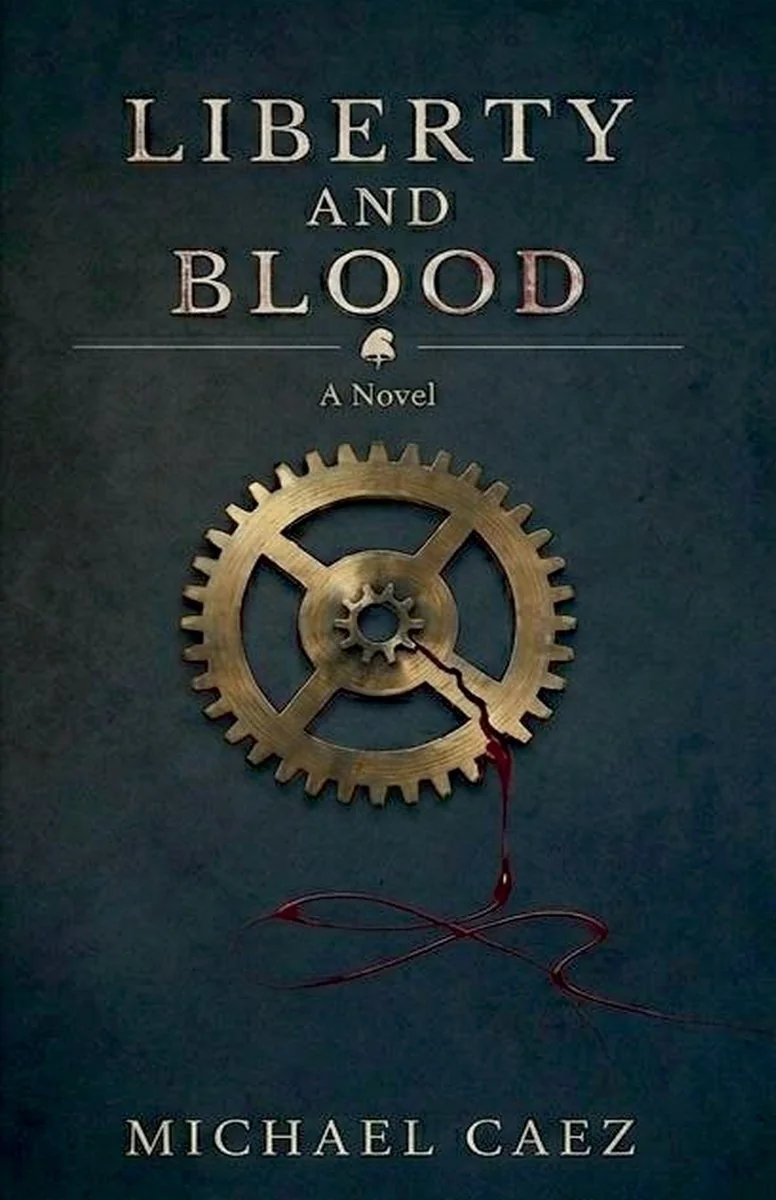
Liberty and Blood
A clockmaker's daughter fights an immortal society feeding on 1788 Parisian terror.
The narrative centers on a specific moment in time when hunger stalks the streets of Paris. Caez uses this setting to introduce a parasitic evil that thrives on chaos. The protagonist, a clockmaker's daughter, uncovers an immortal society feeding on mass terror. Her journey involves transforming into a shadow warrior to stop a centuries-old harvest. This plot structure highlights the adaptability of monsters who bide their time. The story does not rely on complex world-building but focuses on immediate survival and revelation. Caez connects the historical context of revolution with supernatural horror elements. The book appeals to fans of gothic fiction who appreciate character-driven plots. It avoids broad philosophical musings in favor of direct action and discovery. The ending implies that these threats persist by waiting for history to repeat itself.
The story is set in Paris in 1788, a time when hunger stalks the streets and revolution is in the air. This historical moment provides the backdrop for an ancient parasitic evil orchestrating chaos to feast on impending bloodshed.


📝 Description: Liberty and Blood
💎 Our verdict on Liberty and Blood
📖 Why choose it
Why this book is worth reading
Readers who appreciate character-driven plots within gothic fiction will find this narrative compelling. The book suits those interested in how monsters adapt over time, offering a concentrated story about immediate survival rather than broad philosophical musings. Fans of historical settings intertwined with dark fantasy elements will enjoy the tension created by the protagonist's transformation into a shadow warrior. It appeals to those who prefer direct action and discovery over complex world-building. The focus on human suffering and predatory immortality provides a unique perspective on the French Revolution era, making it ideal for readers seeking atmospheric horror grounded in physical reality.
⭐ Reader reviews
Reader rating
Michael Caez delivers a tense narrative where hunger stalks the streets of Paris in 1788. By focusing on immediate survival and revelation, the text avoids complex world-building to highlight the adaptability of monsters. The protagonist's journey as a clockmaker's daughter uncovers an immortal society feeding on chaos, creating a potent mix of historical context and supernatural horror. This approach grounds the fear in starvation and fear rather than abstract concepts. The story effectively connects revolutionary turmoil with ancient evil, emphasizing that threats persist by waiting for history to repeat itself. It is best suited for readers who enjoy direct action and character development within a dark fantasy framework.
You might also like
See more →







Have a question about this item?
Ask about the edition, condition, delivery or anything else — we reply by email or phone, usually within a day.
