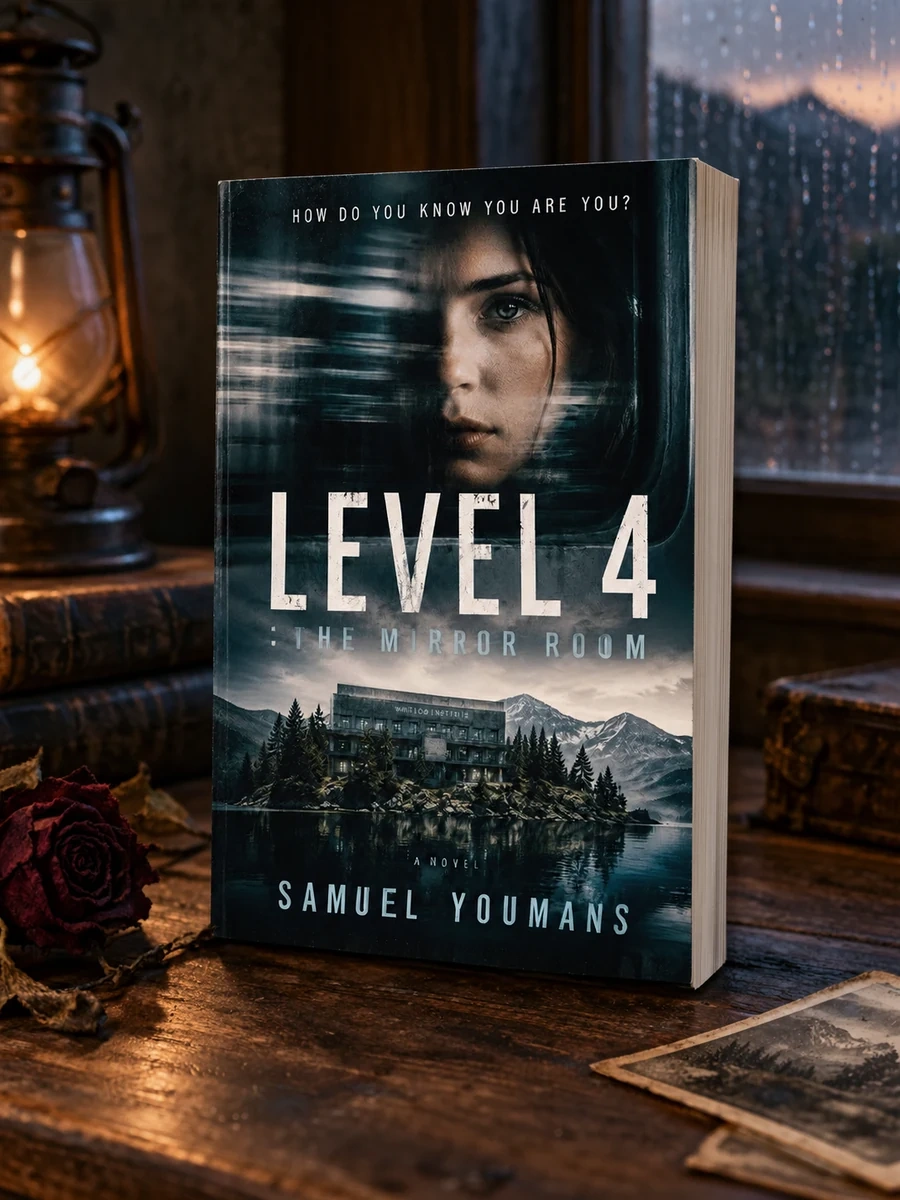
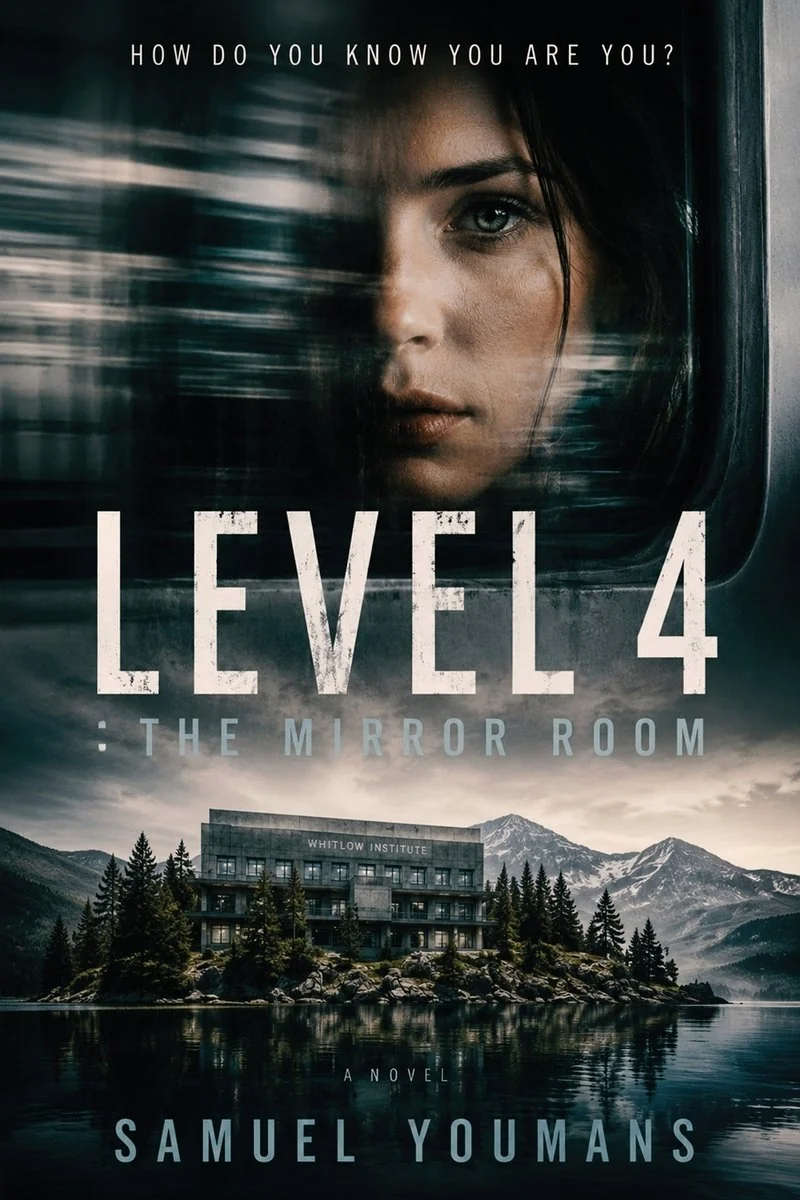
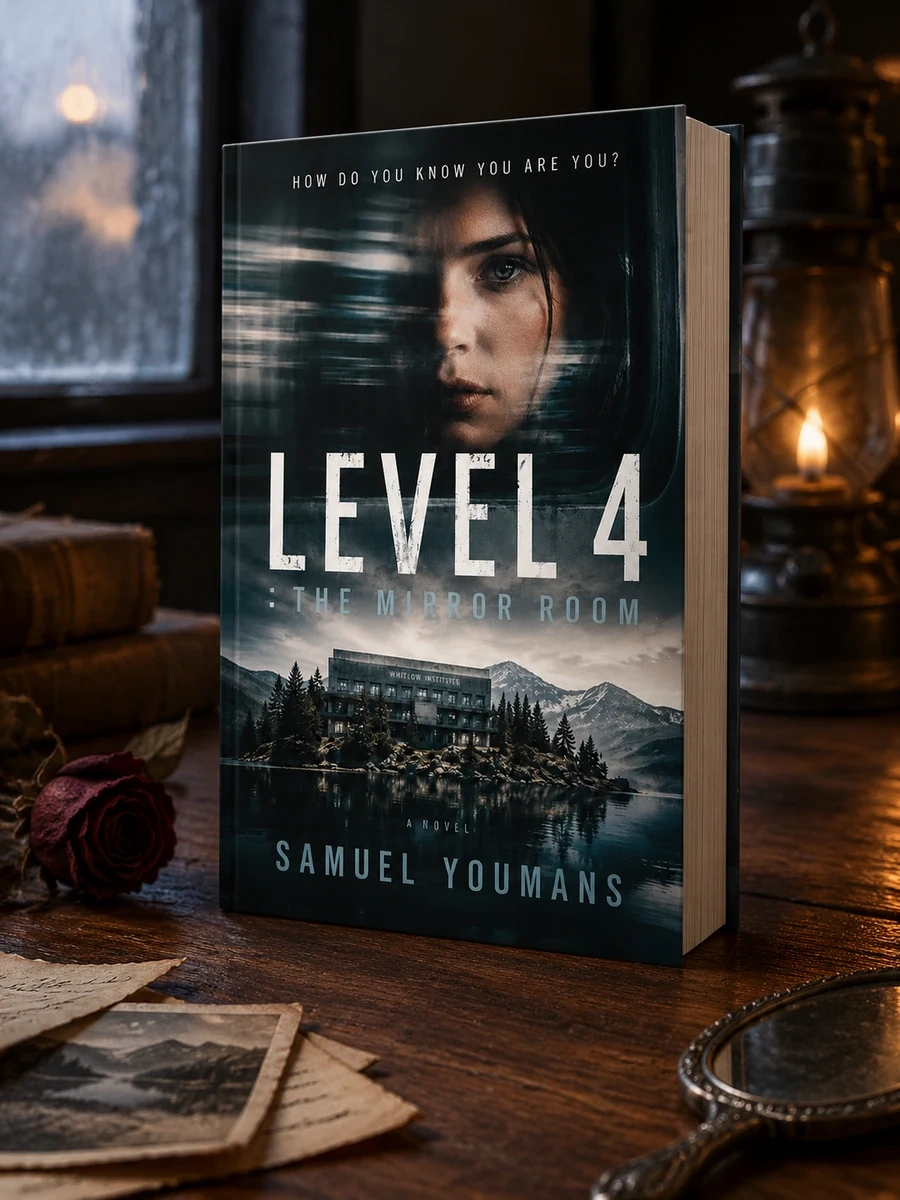
Level 4: The Mirror Room
A former patient investigates a banned replication program at her old psychiatric retreat.
Claire Ashford is pulled back into the orbit of the Whitlow Institute after investigators find proof of a hidden floor. Her mission is to understand what happened to the patients on Level 4. Youmans constructs the plot around Claire’s dual role as both victim and investigator. The narrative relies on her unreliable memories and the eerie environment of the institute. The mirrors that do not reflect reality serve as a key motif, hinting at the distorted nature of the research. The story examines the consequences of treating humans as subjects for mapping and replication. It is a tale of repressed trauma resurfacing through supernatural means.
The narrative sits within the tradition of American gothic horror, specifically the subgenre of psychiatric institution fiction. It draws on fears of medical experimentation and loss of identity. The setting in Montana adds a layer of isolation typical of regional horror stories.


📝 Description: Level 4: The Mirror Room
💎 Our verdict on Level 4: The Mirror Room
📖 Why choose it
Why this book is worth reading
Readers who appreciate slow-burn psychological thrillers and narratives exploring institutional abuse will find this book compelling. It appeals to those interested in the chilling implications of treating humans as subjects for mapping and replication. The story offers a deep dive into repressed trauma resurfacing through supernatural means, making it ideal for fans of unreliable narrators and distorted realities. It is particularly suitable for audiences who prefer atmospheric tension over fast-paced action or traditional jump scares.
⭐ Reader reviews
Reader rating
Youmans constructs a tense narrative around Claire Ashford’s investigation into the Whitlow Institute’s banned replication program. The author excels at creating an eerie atmosphere through sensory details like mirrors that fail to reflect reality, effectively conveying the distorted nature of the research. By positioning Claire as both victim and investigator, the text leverages her unreliable memories to heighten suspense. This approach suits readers who enjoy exploring the consequences of medical ethics violations and psychological horror. The focus on fragmented memories and institutional dread provides a unique perspective on supernatural terror without relying on sensationalism.
📖 Read on the blog
✍️ More books by this author Samuel Youmans


🏛 Books from this publisher Authors Point
You might also like
See more →



Have a question about this item?
Ask about the edition, condition, delivery or anything else — we reply by email or phone, usually within a day.
