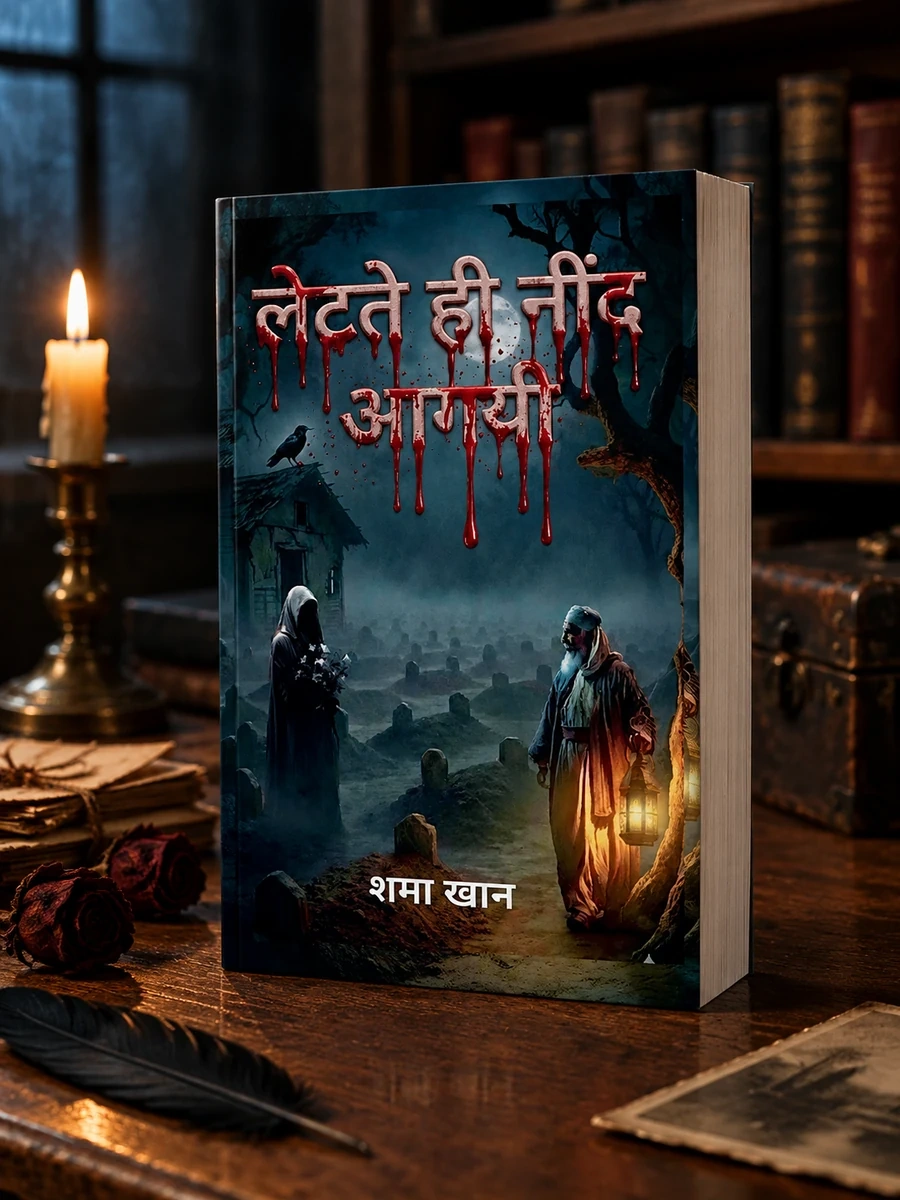

Lette Hi Neend Aagyi
A story of a man finding peace among graves while confronting his past sins.
Khan’s narrative follows Rameez as he lives among tombstones to escape his history. His journey is defined by restlessness and the haunting presence of Nargis. The plot centers on whether he can overcome the consequences of forbidden actions through genuine repentance. The text challenges the reader to view death not as an end, but as a trial. It highlights the tension between earthly regrets and spiritual salvation. The atmosphere is quiet and intense, focusing on the mind rather than monsters. This approach distinguishes it from conventional horror by prioritizing theological questions over jump scares.
The work draws on Islamic traditions, specifically the concept of Tauba (repentance) and the relationship with Rab (the Creator). It reflects South Asian literary sensibilities regarding sin and redemption. The narrative is set in a context where spiritual accountability shapes daily existence and final judgment.


📝 Description: Lette Hi Neend Aagyi
💎 Our verdict on Lette Hi Neend Aagyi
📖 Why choose it
Why this book is worth reading
Readers seeking a unique intersection of psychological horror and spiritual reflection will find this narrative compelling. It appeals to those interested in gothic atmospheres blended with deep moral reckoning, offering a distinct perspective on the afterlife grounded in specific cultural concepts of sin and forgiveness. The book is ideal for individuals who prioritize theological questions over conventional jump scares, inviting them to confront uncomfortable truths about memory, repentance, and their relationship with the Creator. It serves as a quiet, intense exploration of inner quietude amidst chaos, providing a meditative experience rather than a thrill-seeking one.
⭐ Reader reviews
Reader rating
Shama Khan delivers a haunting meditation on guilt and redemption, distinguishing itself from standard horror by prioritizing spiritual introspection over external terror. The narrative effectively utilizes the graveyard setting to amplify Rameez’s internal struggle, creating a tense atmosphere focused on the mind rather than monsters. This approach rewards readers willing to engage with heavy themes of accountability and divine connection. While those expecting fast-paced supernatural thrills may find the pacing slow, devotees of psychological horror and gothic fiction will appreciate the profound exploration of Tauba. The work stands out for its cultural specificity and serious treatment of existential dread.
📖 Read on the blog
🏛 Books from this publisher Notion Press







You might also like
See more →

Have a question about this item?
Ask about the edition, condition, delivery or anything else — we reply by email or phone, usually within a day.
